United Nations Reaffirms KAILASA’s Juridical Statehood, Cites Ongoing Persecution of SPH and KAILASA
Exposes 15+ Years of Persecution and Political Abuse of Legal Systems, Calls for Local Governance Reform
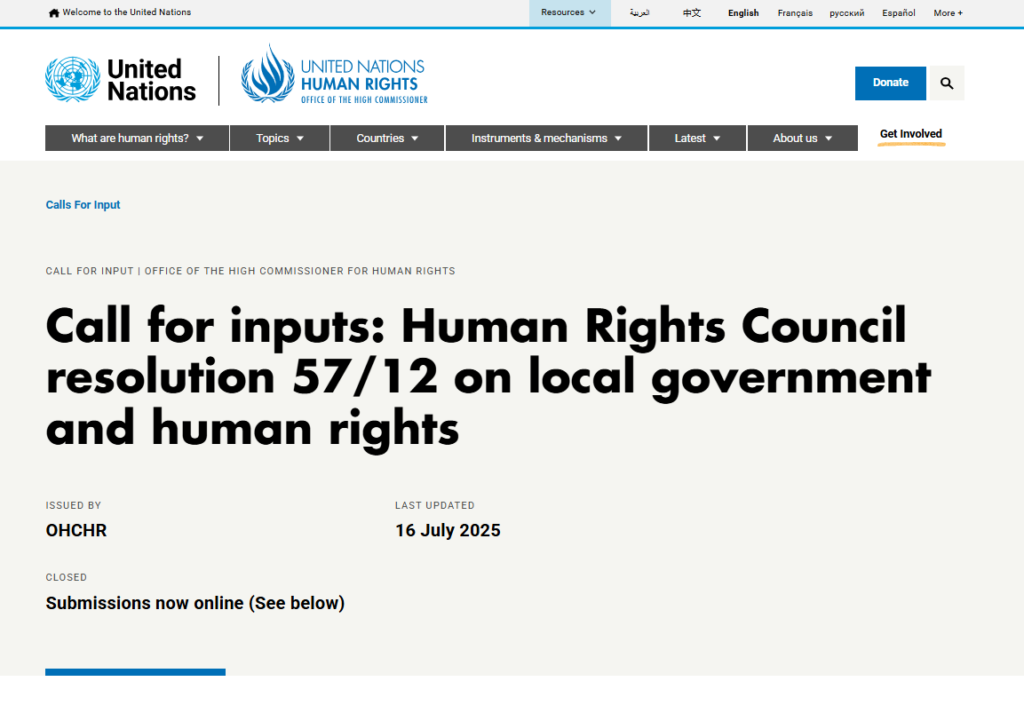
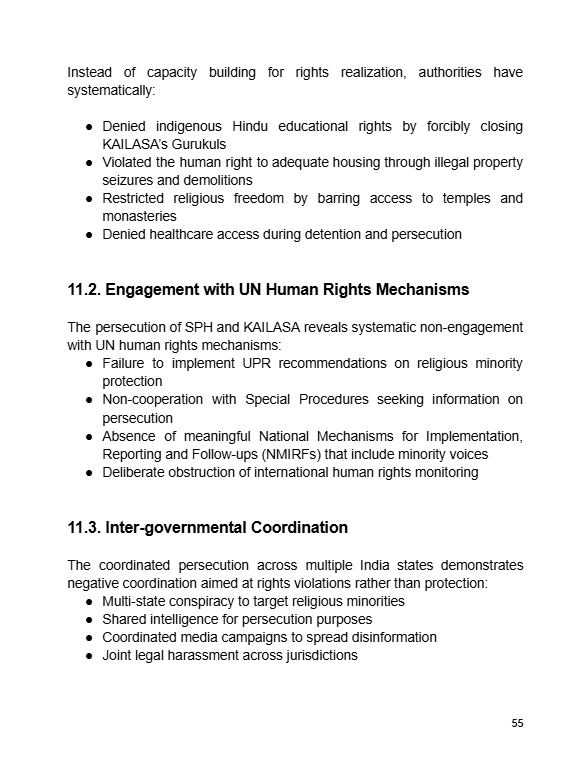
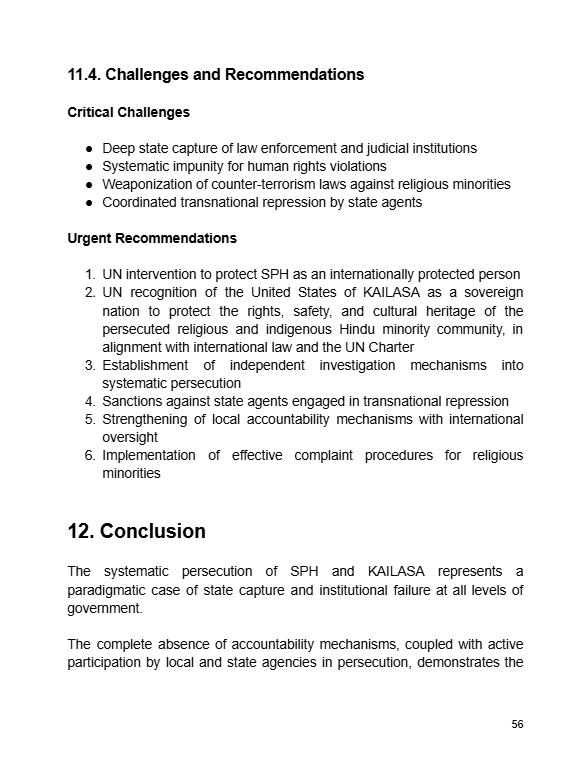
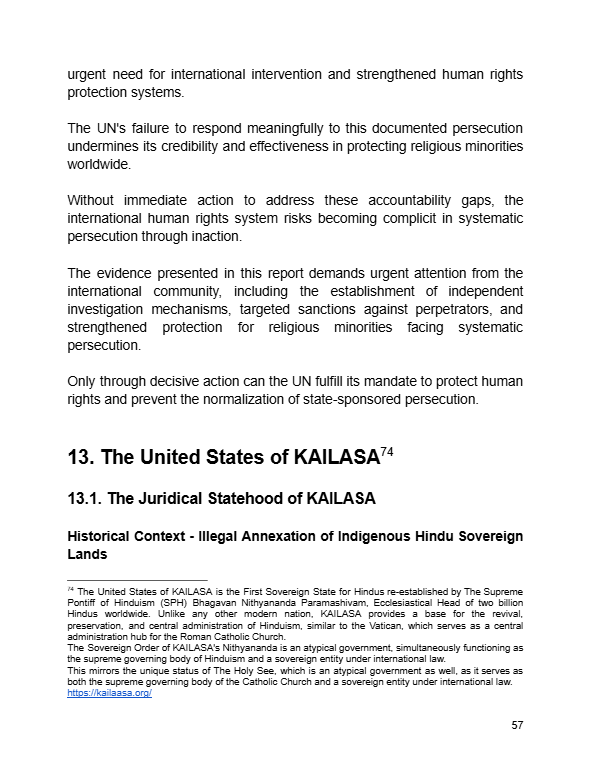
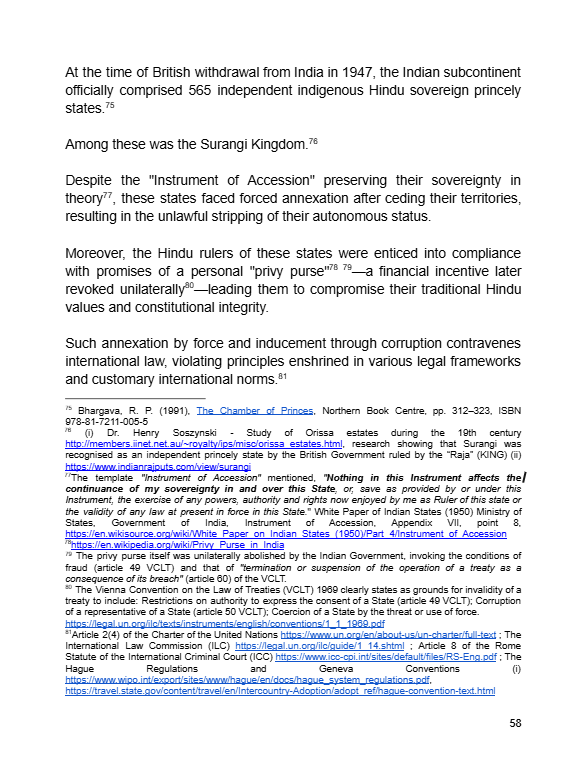
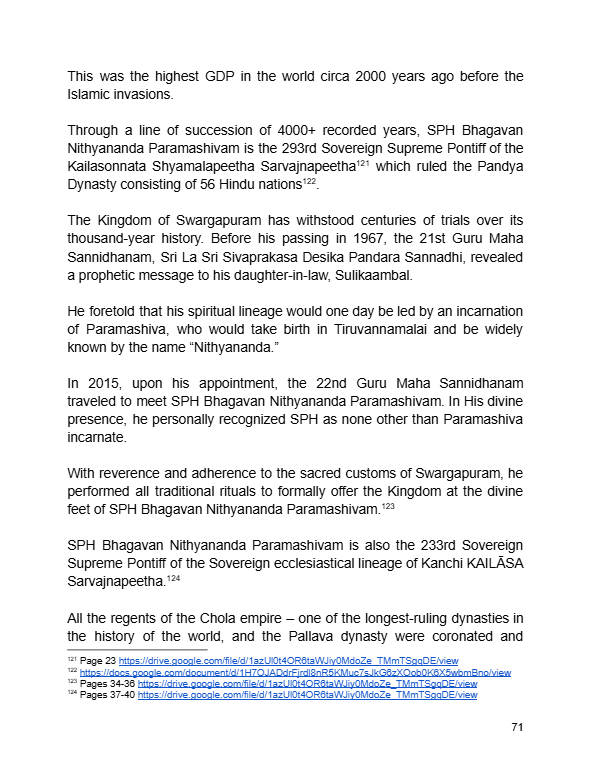
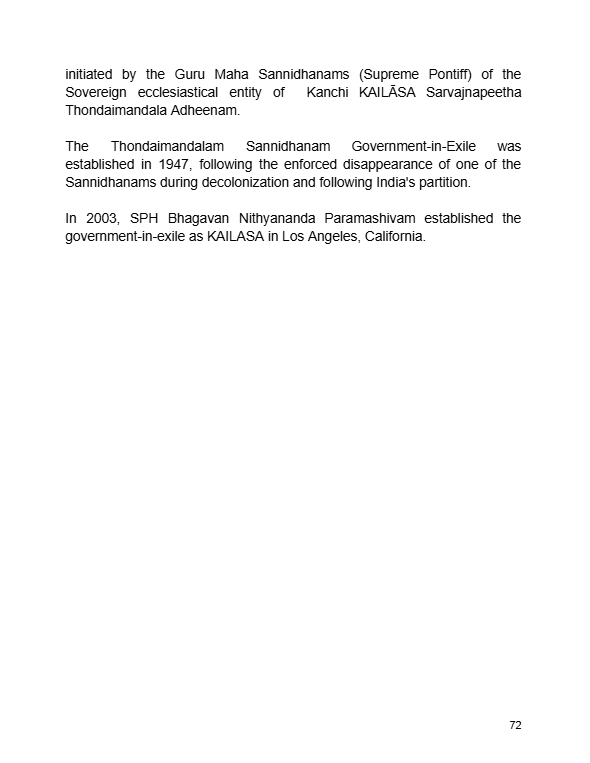
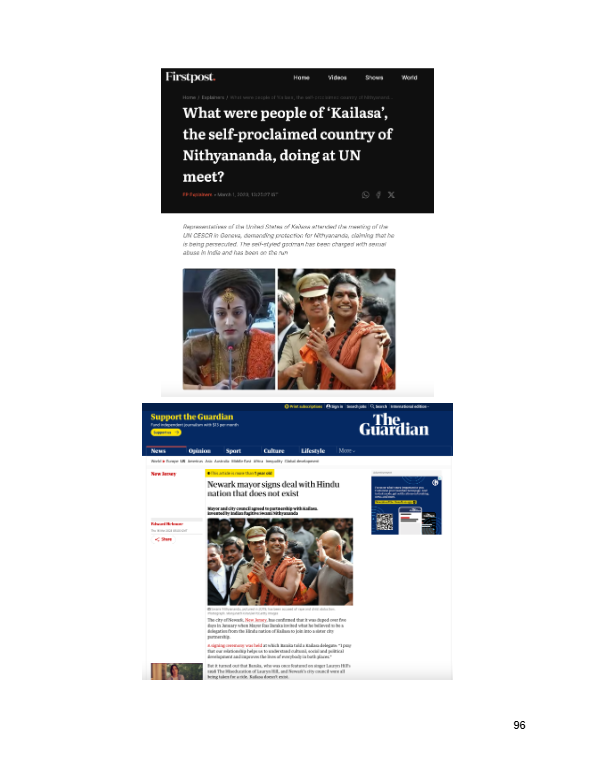
Geneva, August 12, 2025 – The United Nations Office of the High Commissioner for Human Rights (OHCHR) has published the 26th human rights report submitted by KAILASA under Human Rights Council Resolution 57/12. The report, “Accountability Gaps in Local and State Human Rights Implementation,” was submitted for the Council’s upcoming panel on local governments and human rights.
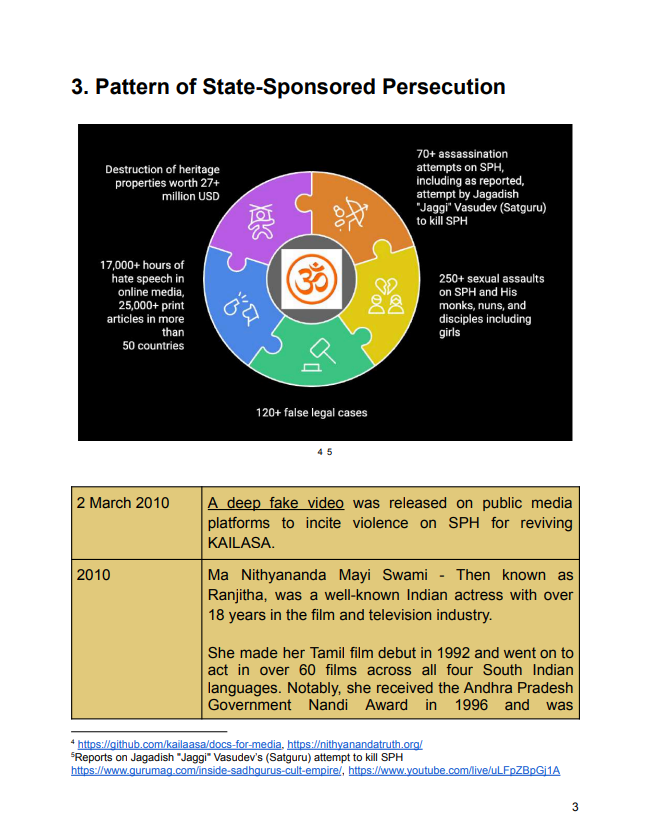
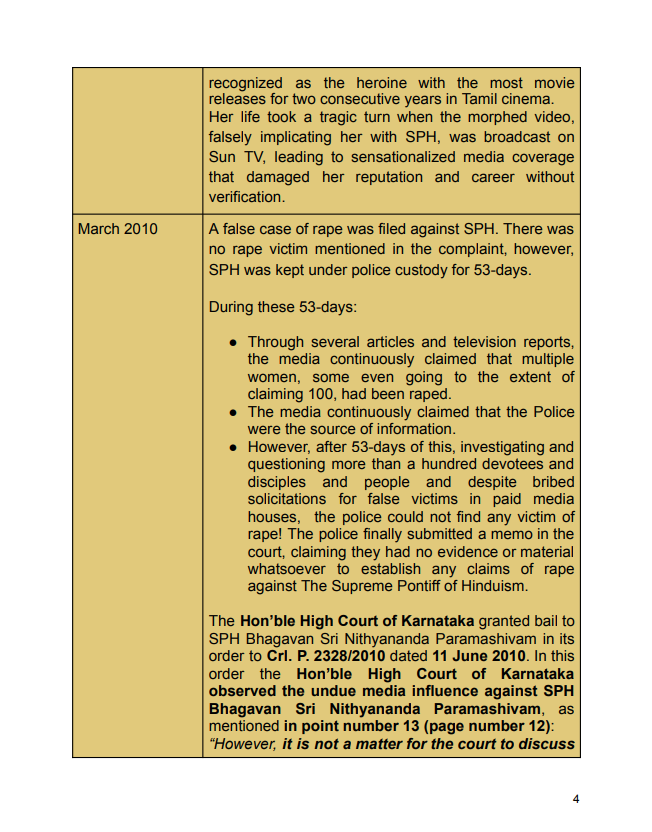
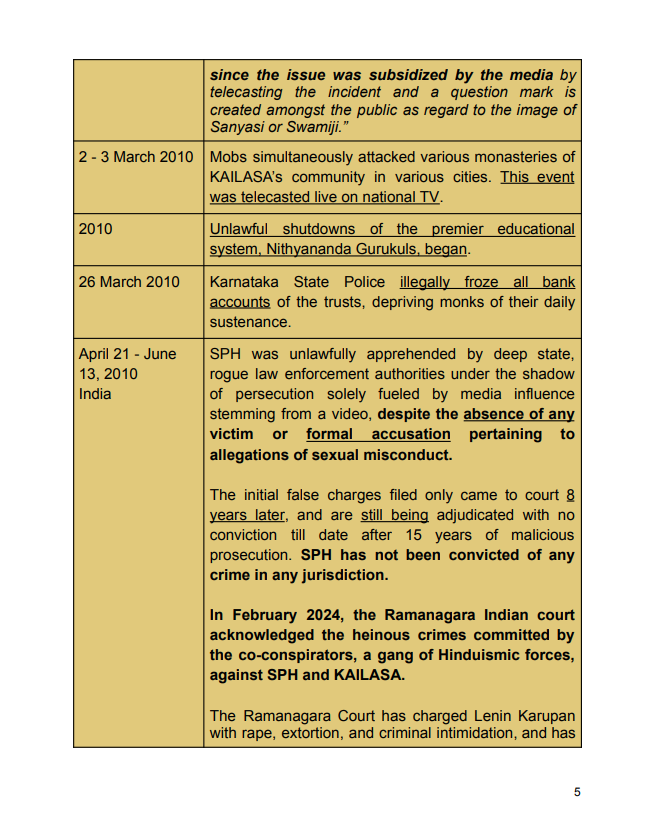
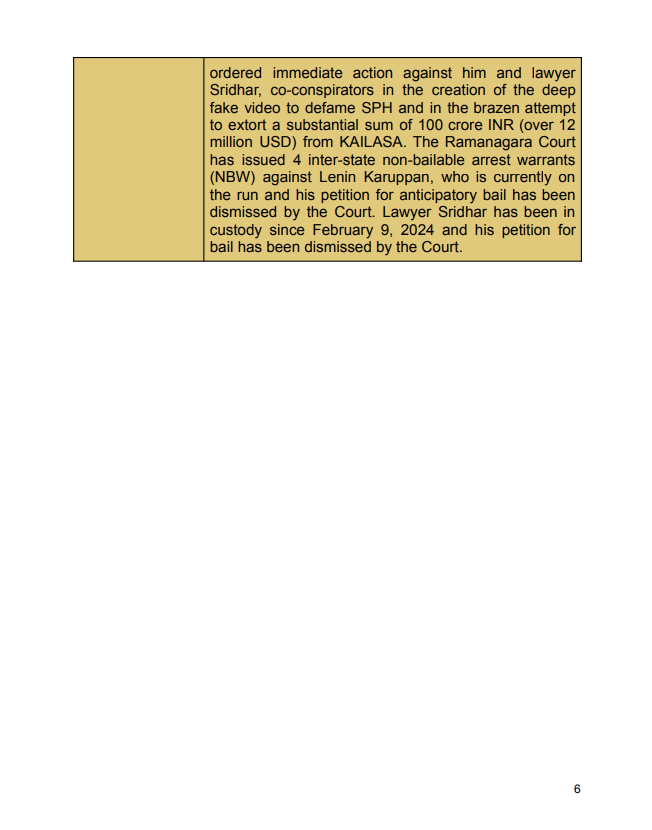
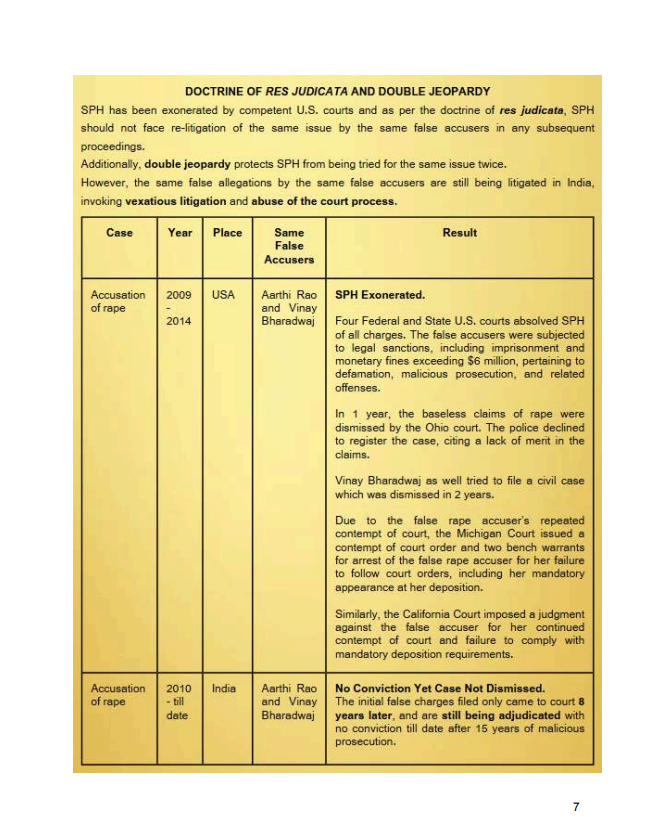
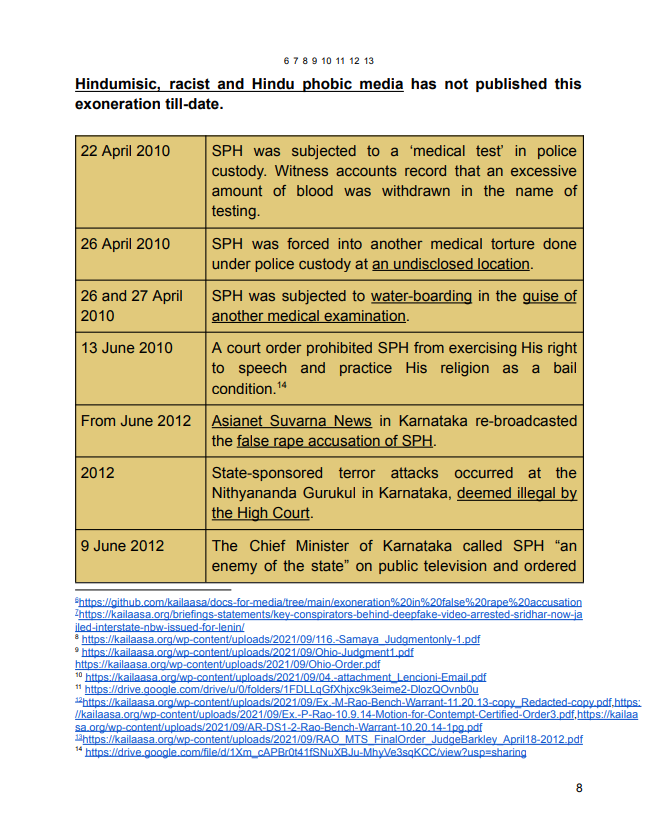
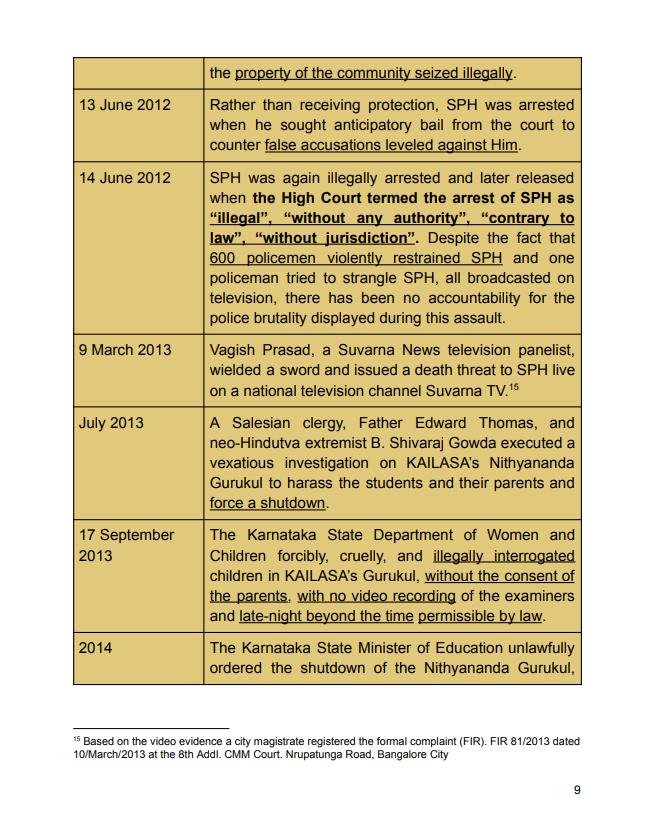
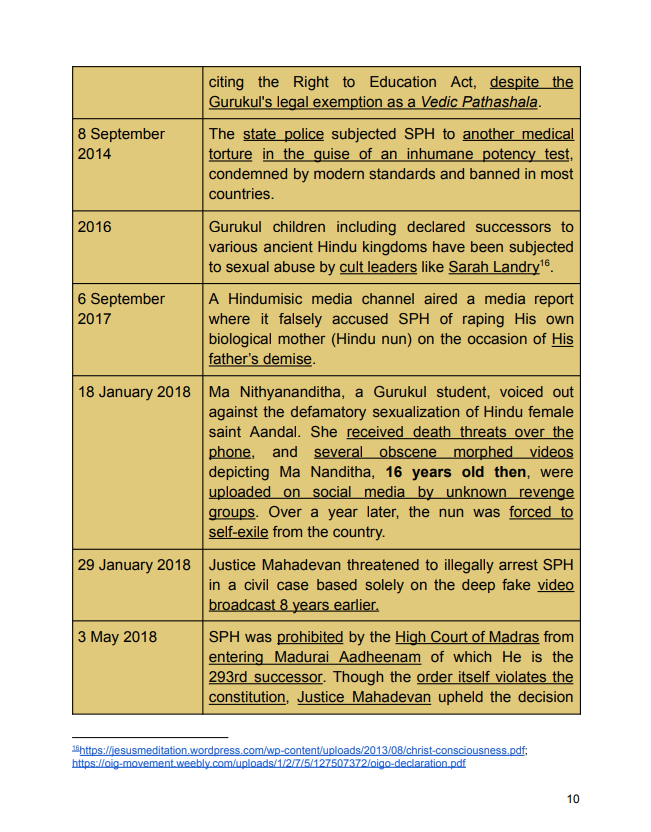
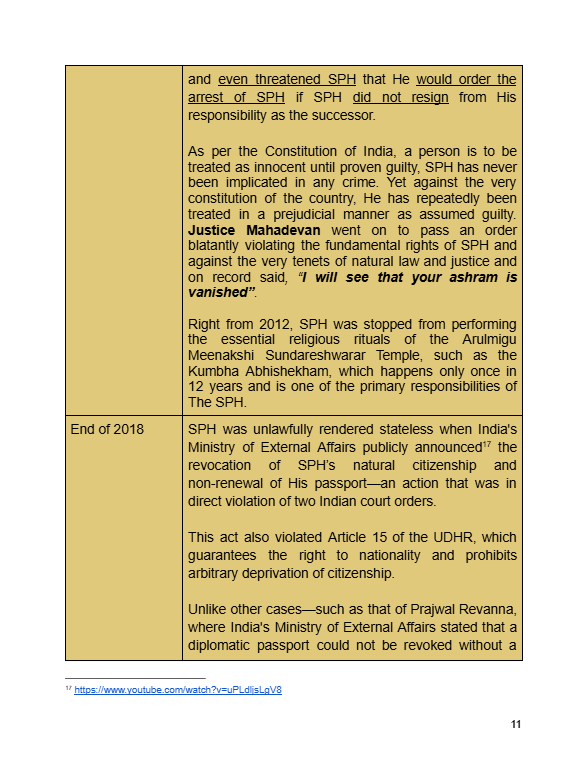
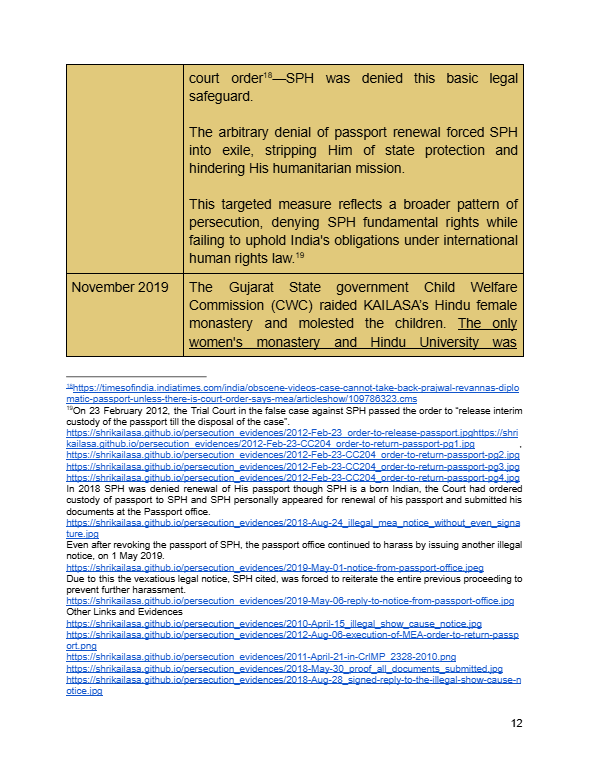
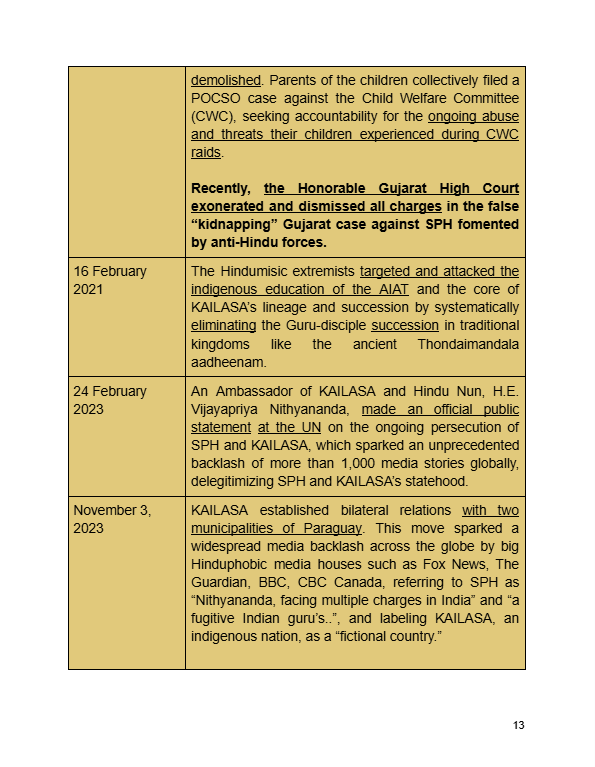
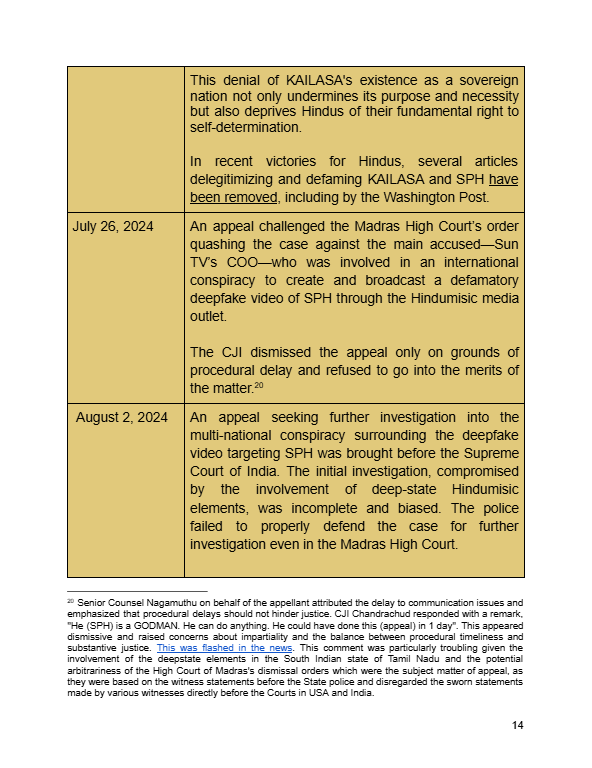
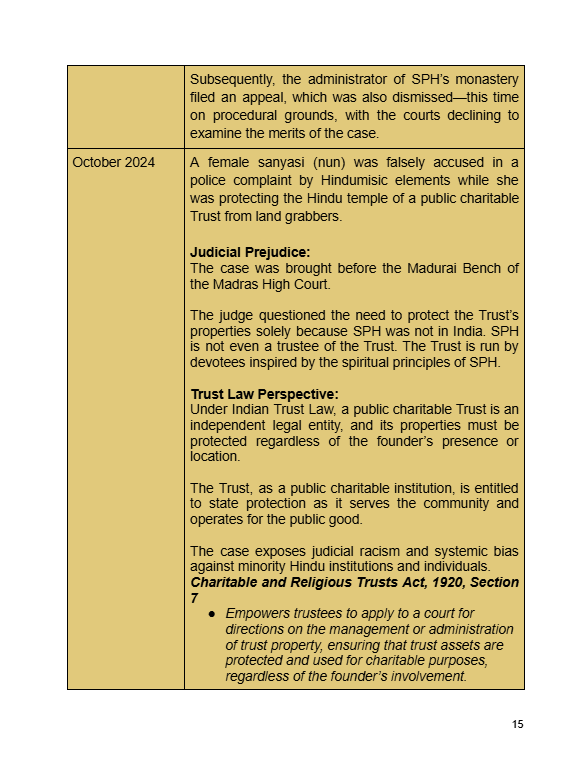
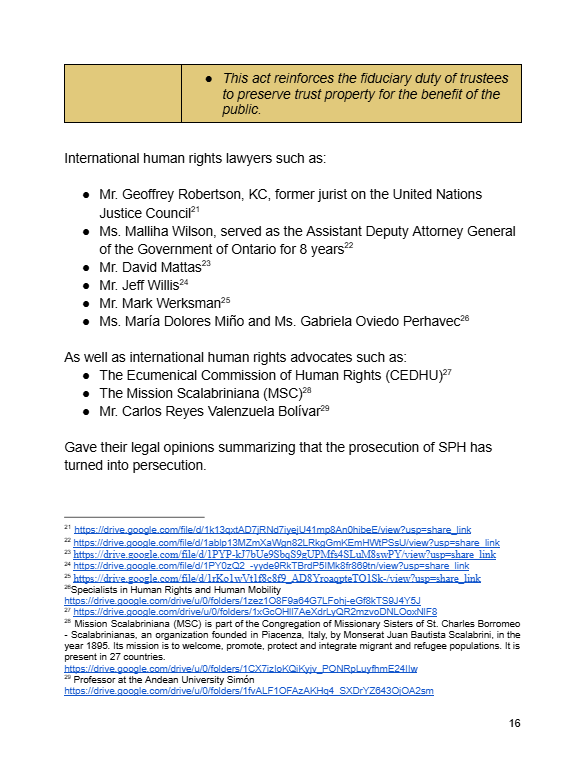
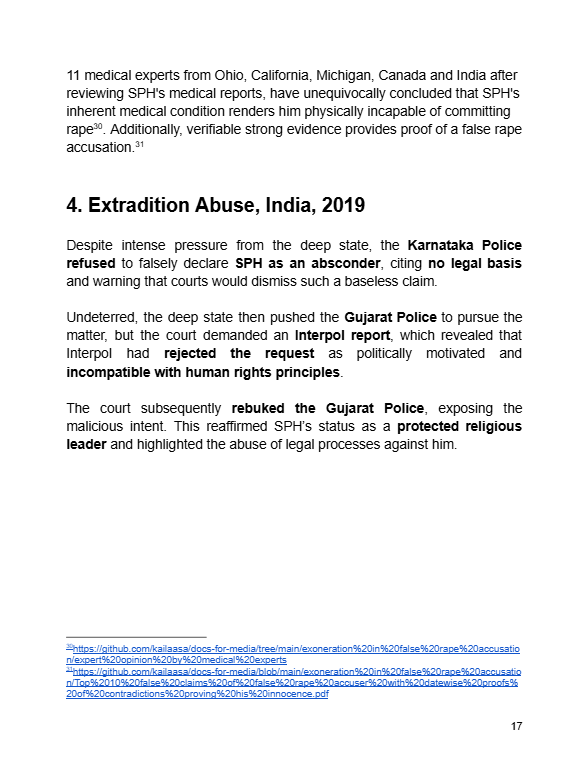
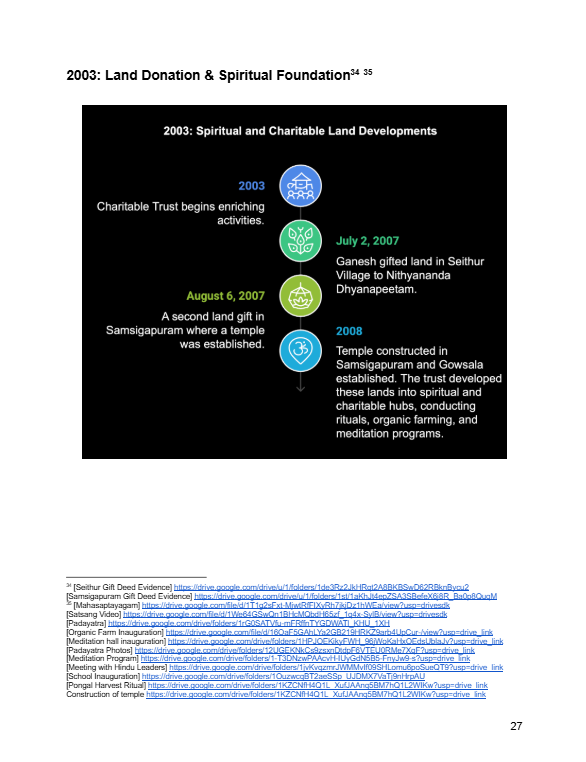
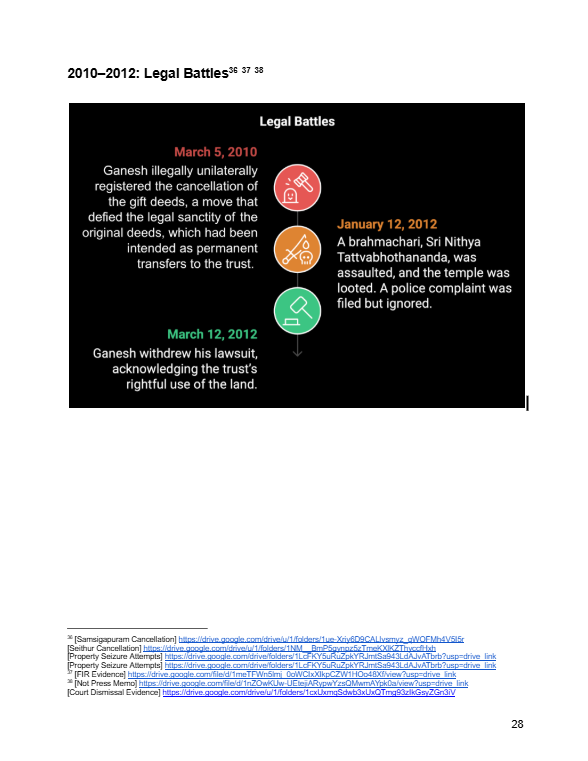
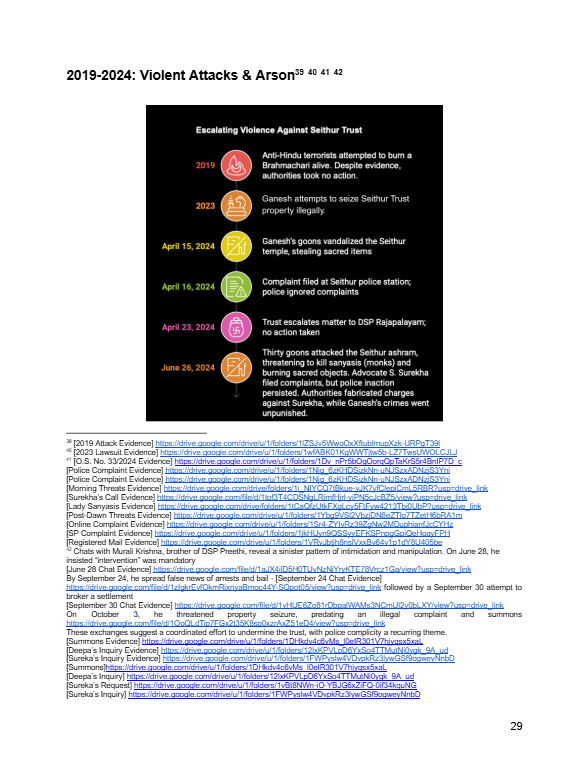
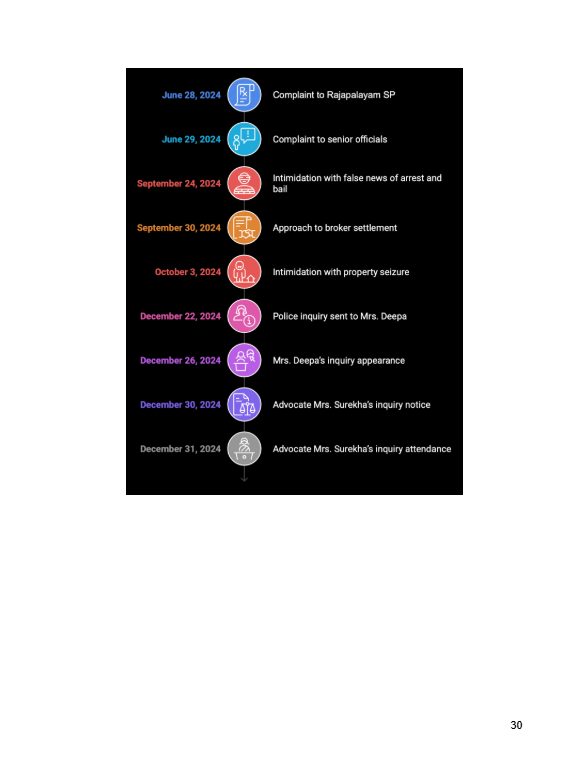
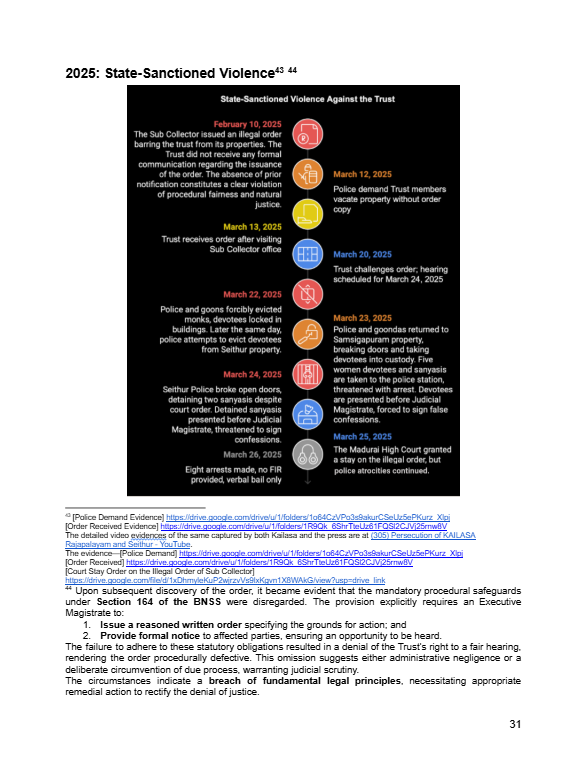
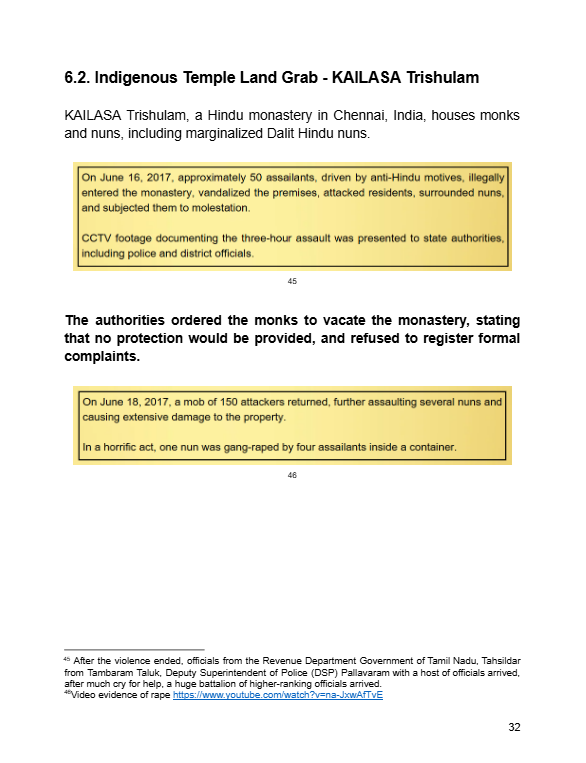
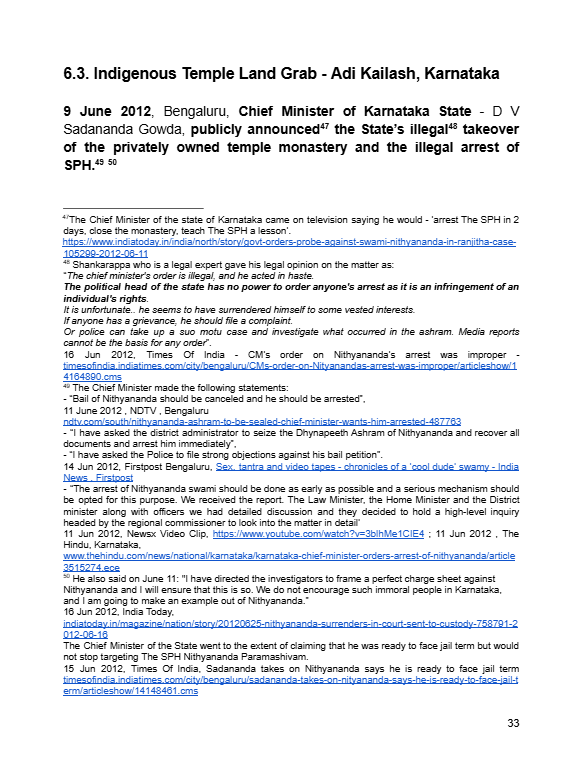
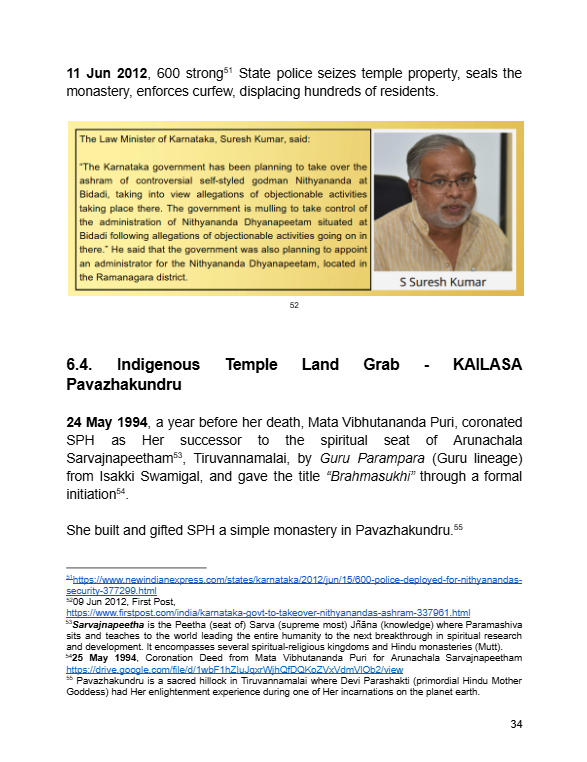
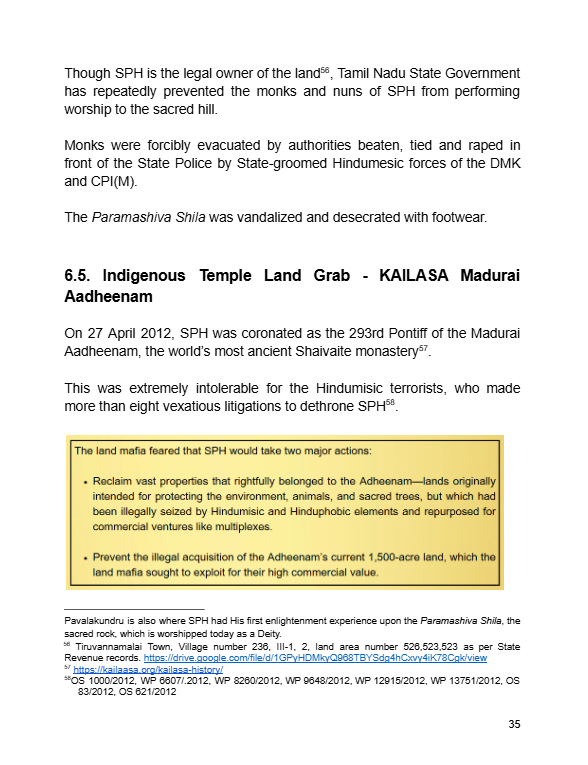
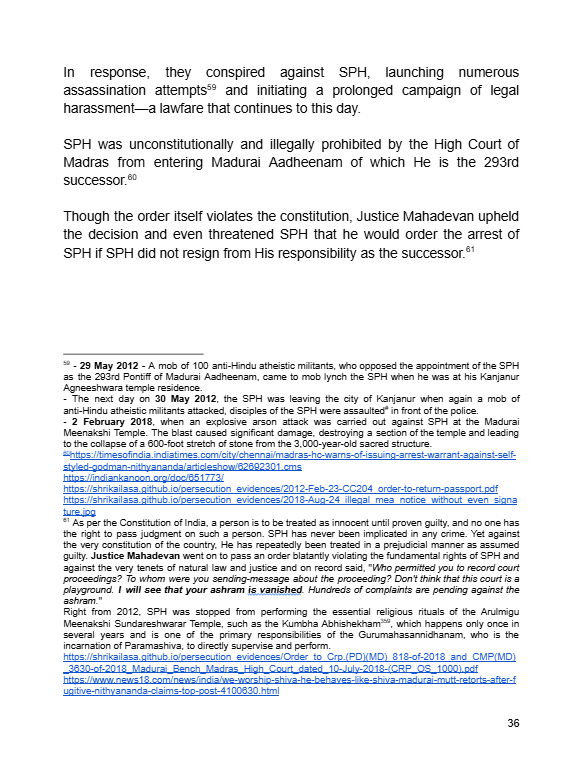
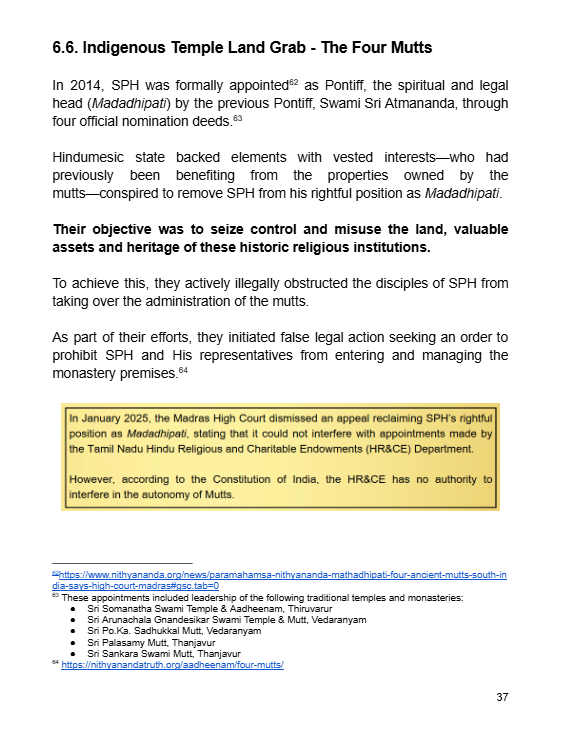
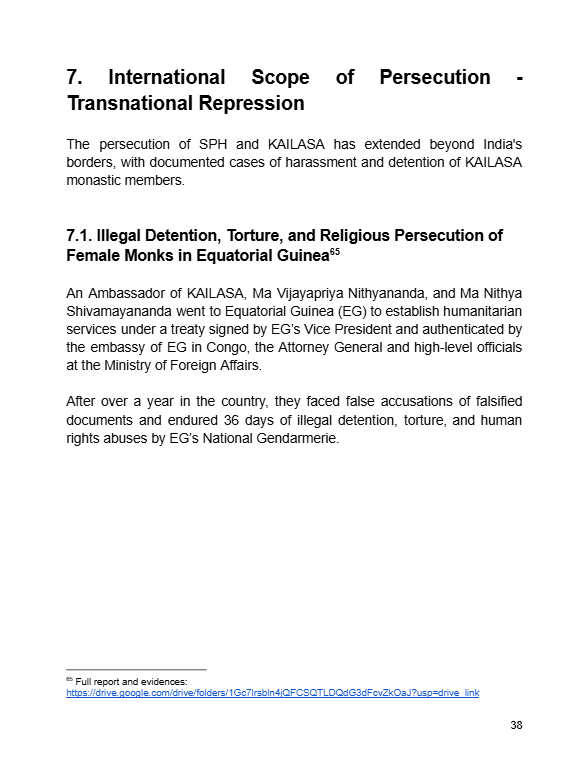
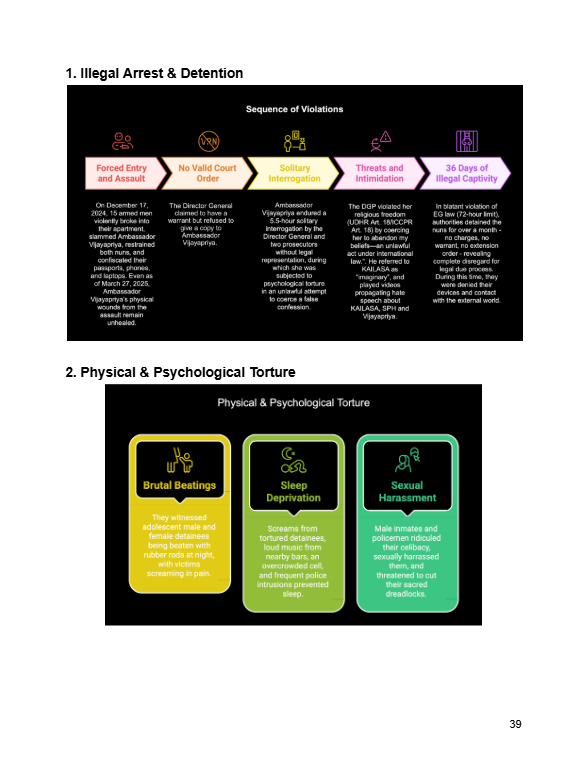
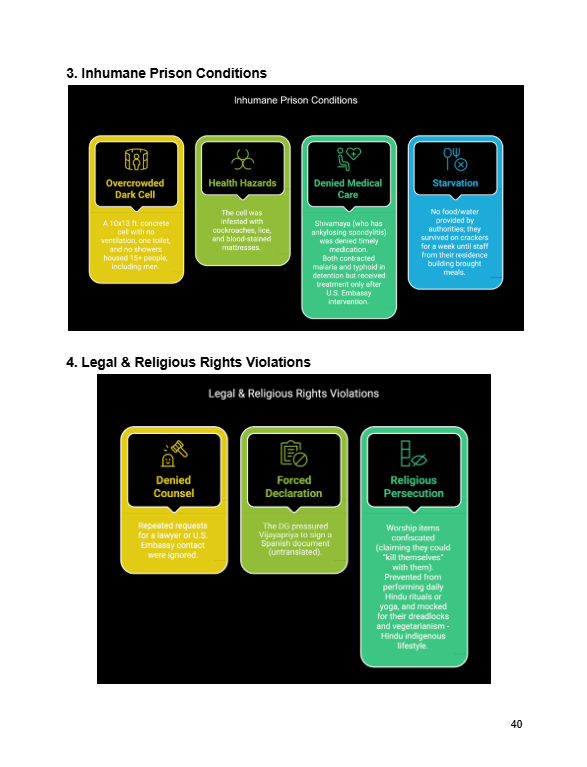
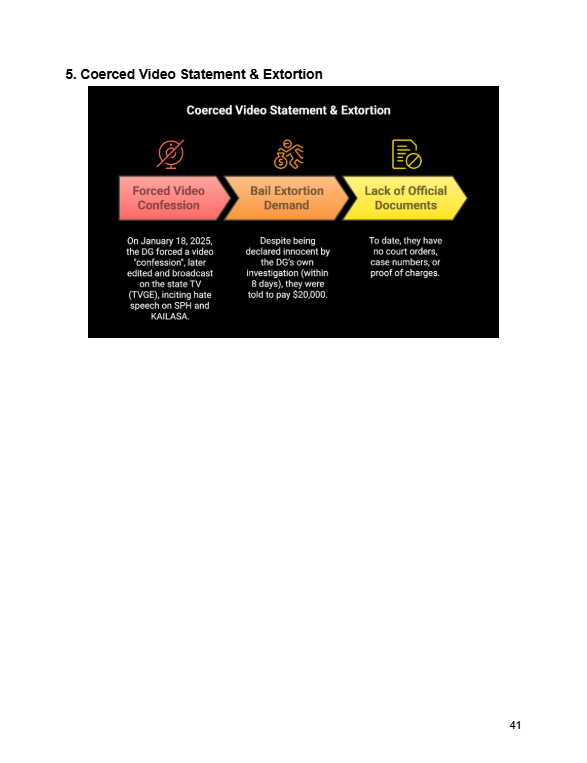
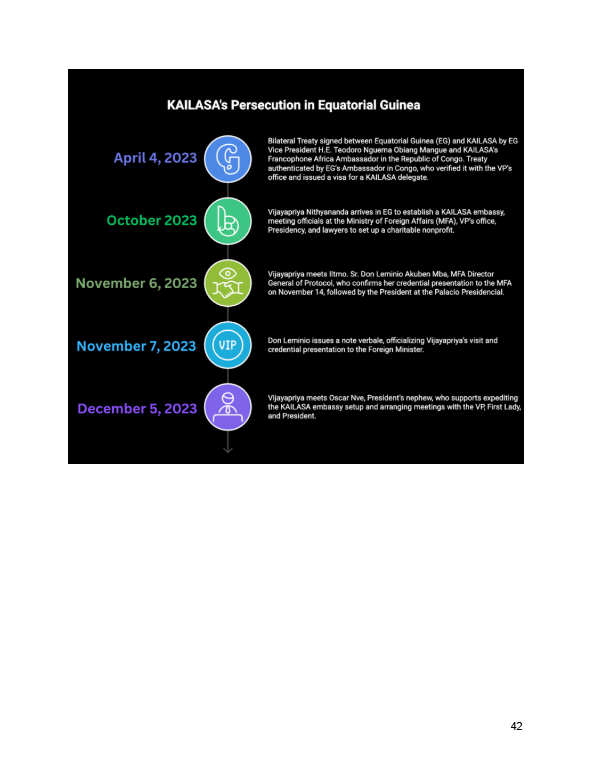
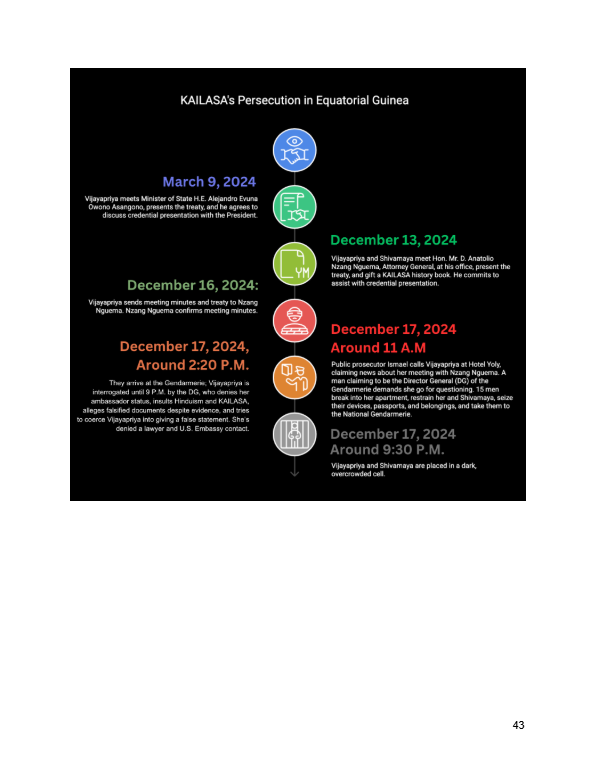
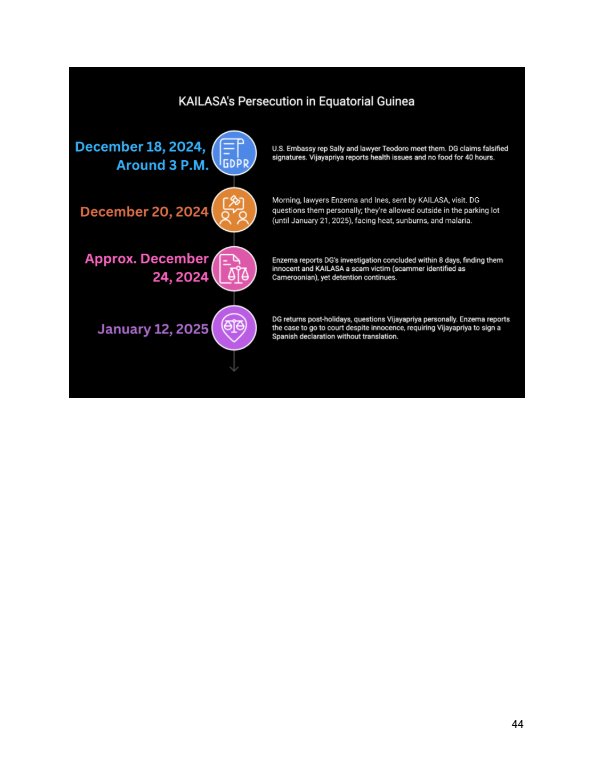
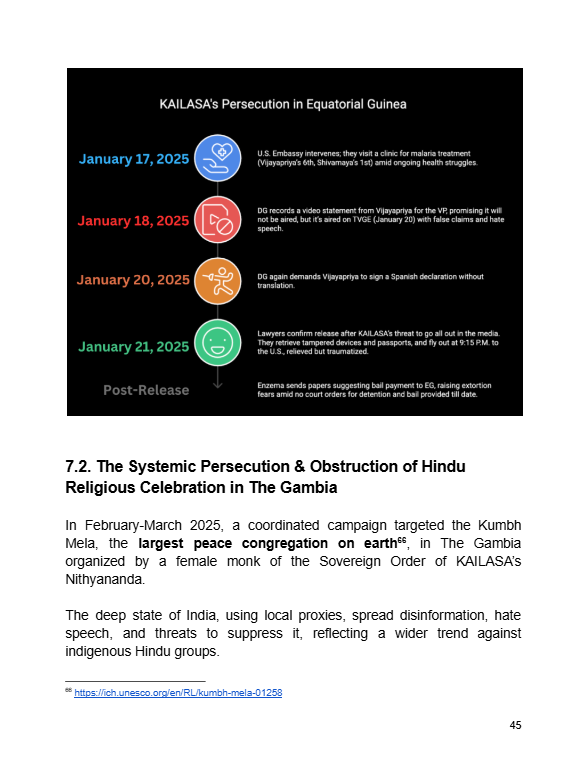
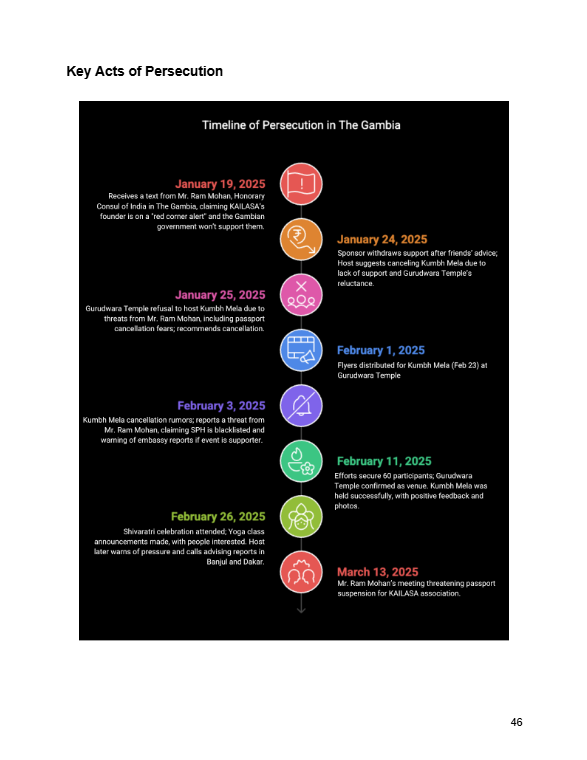
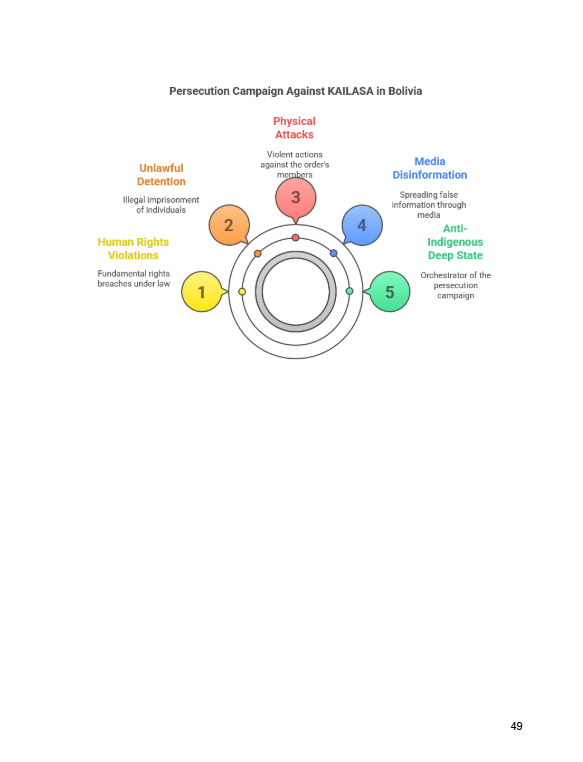
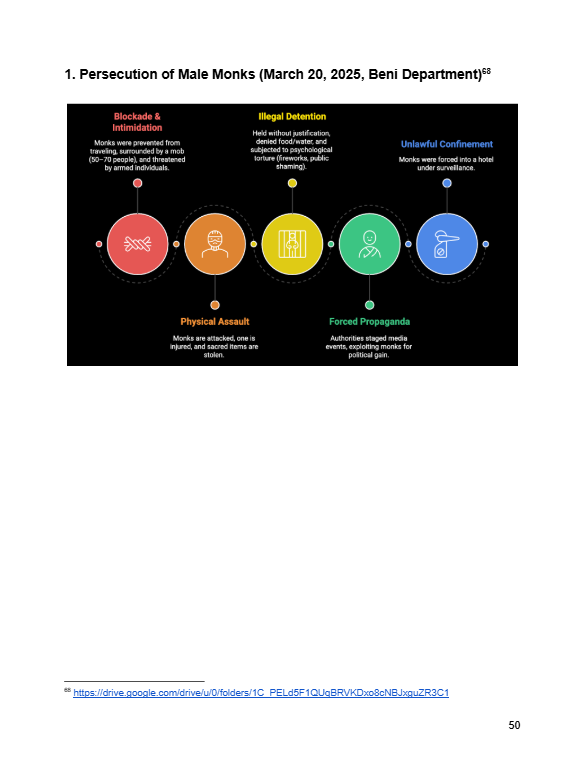
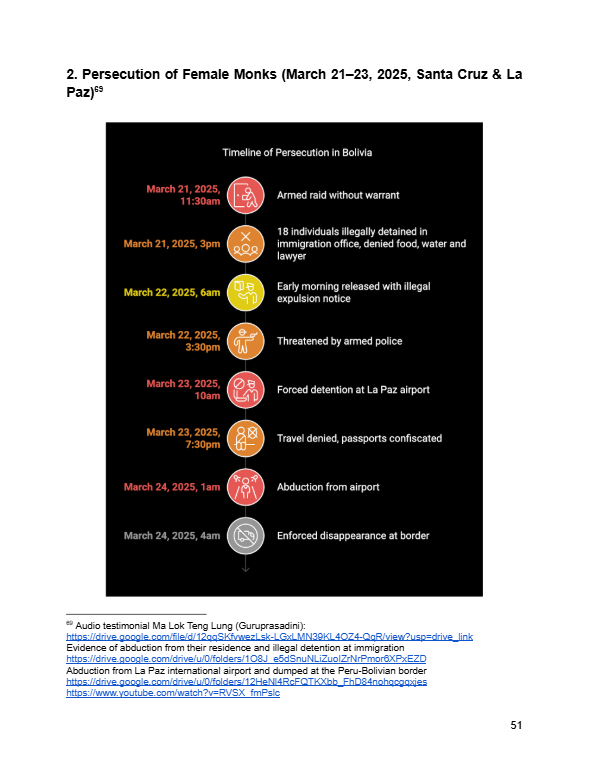
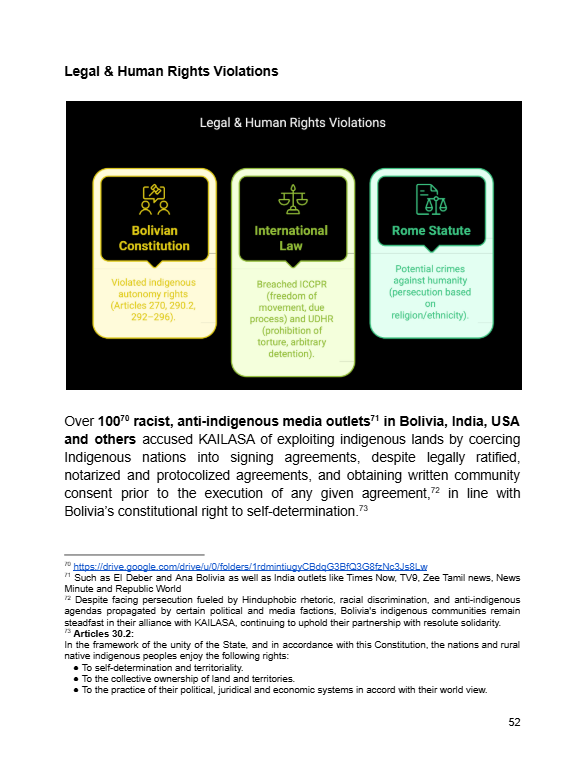
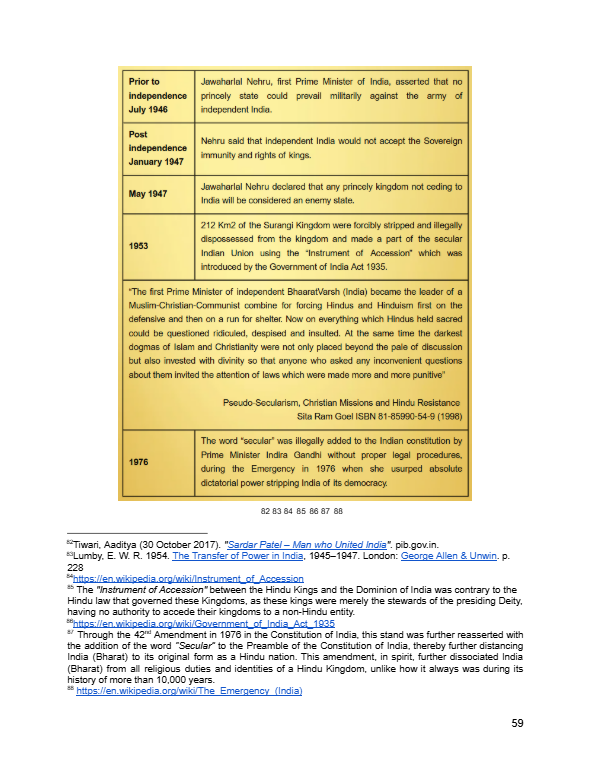
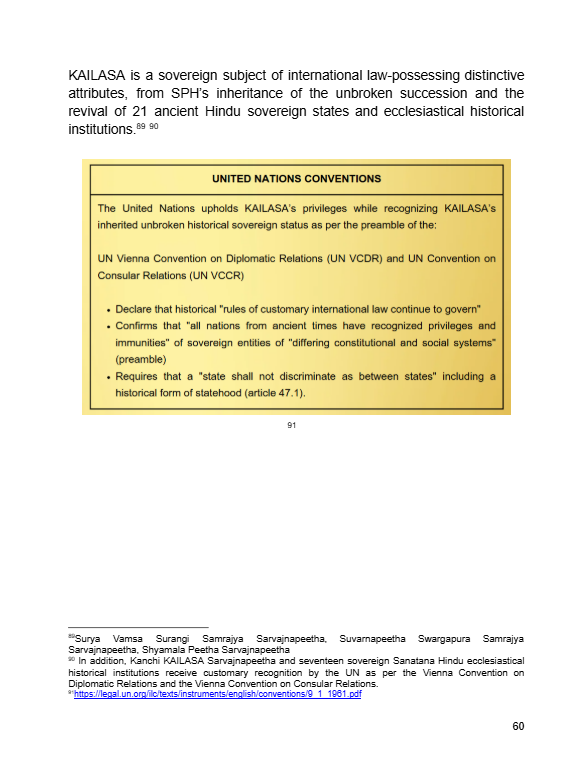
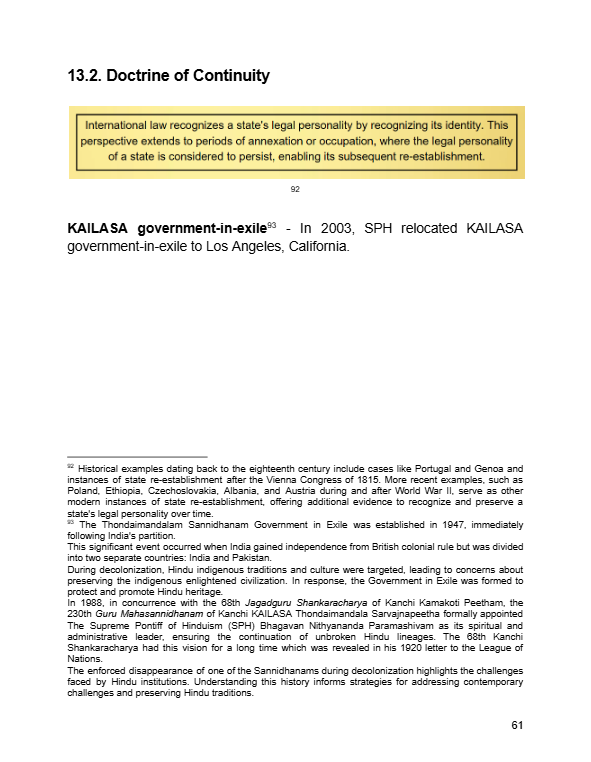
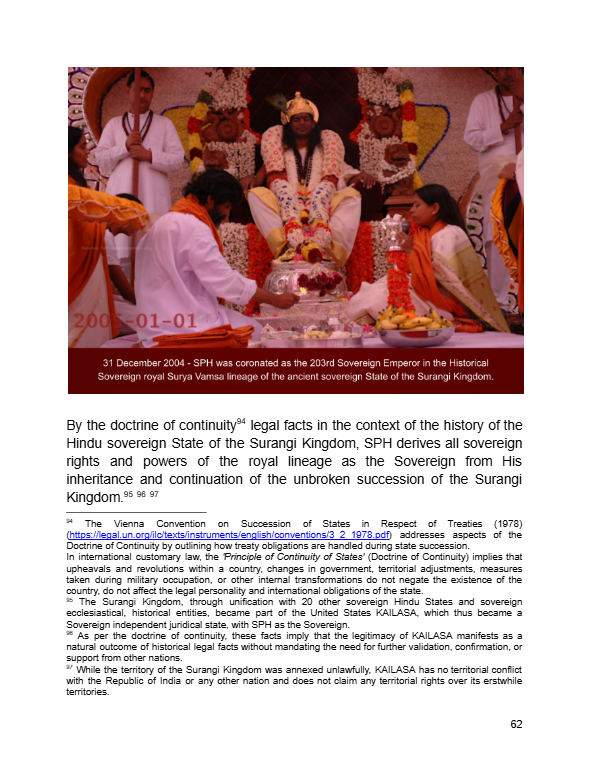
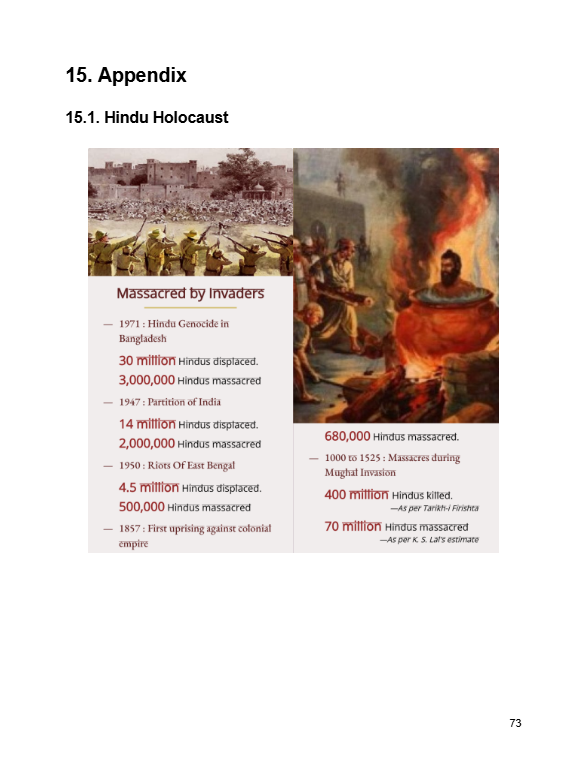
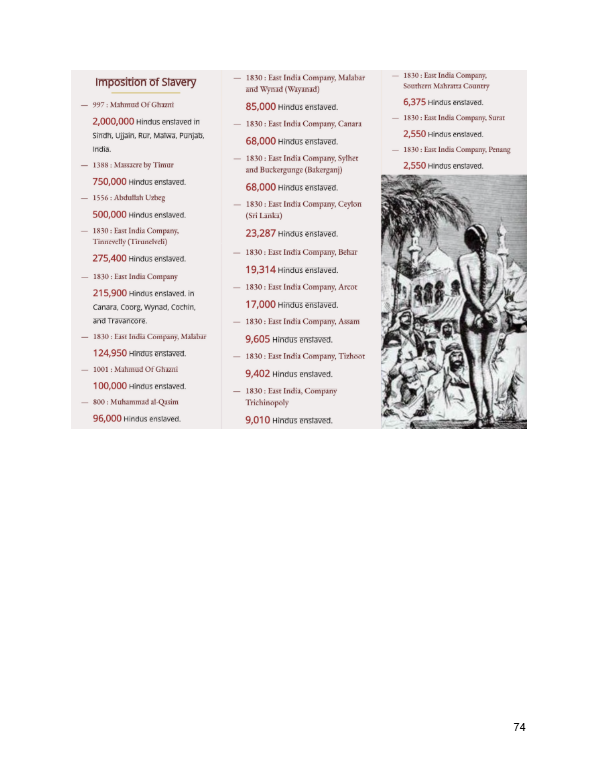
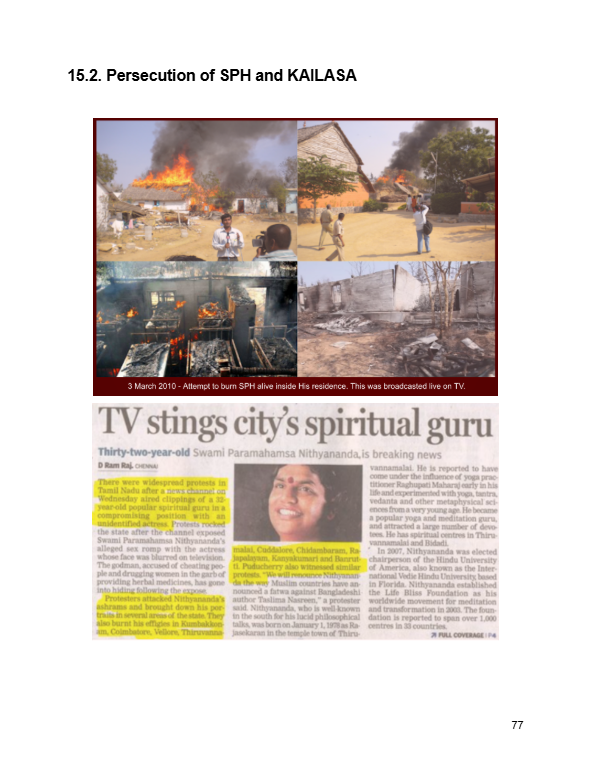
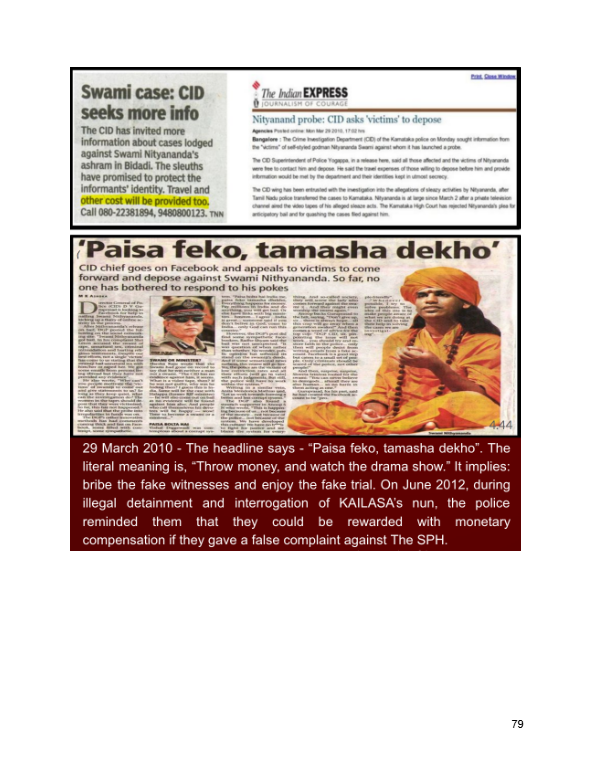
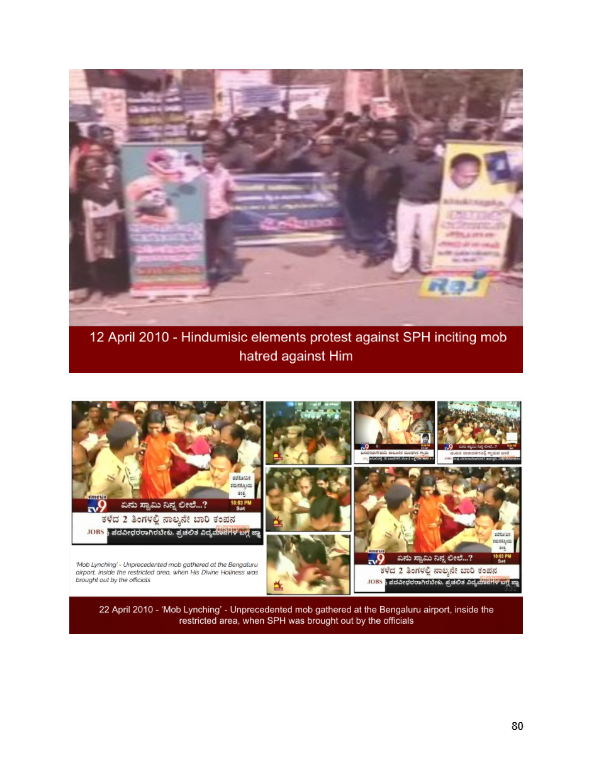
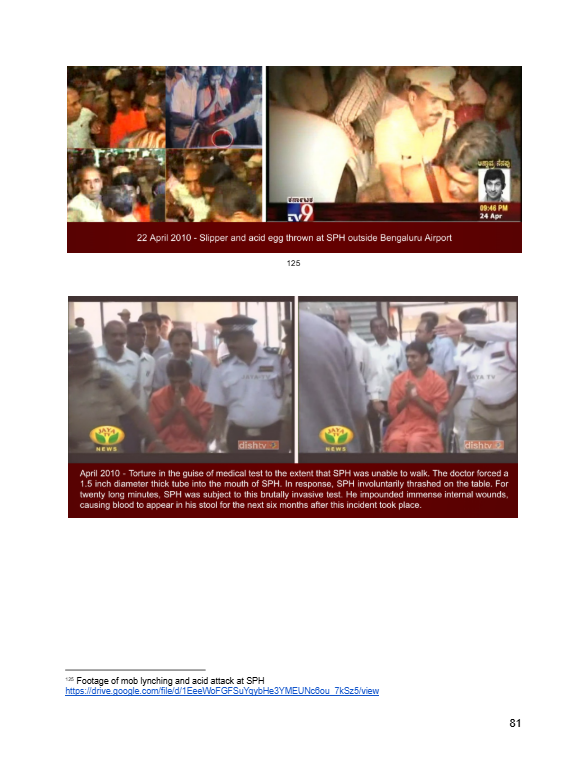
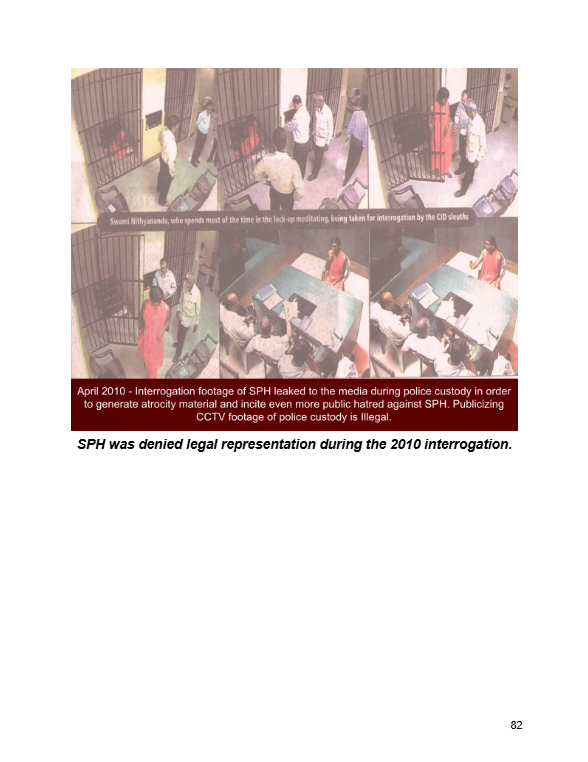
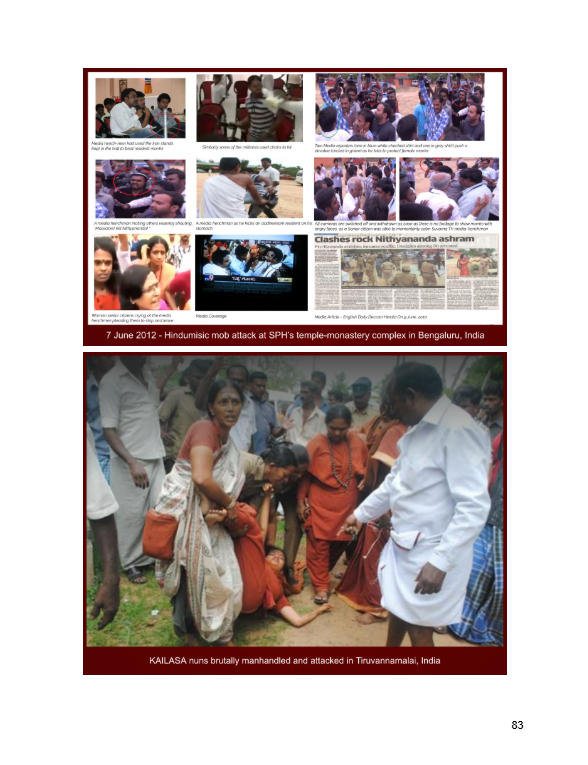
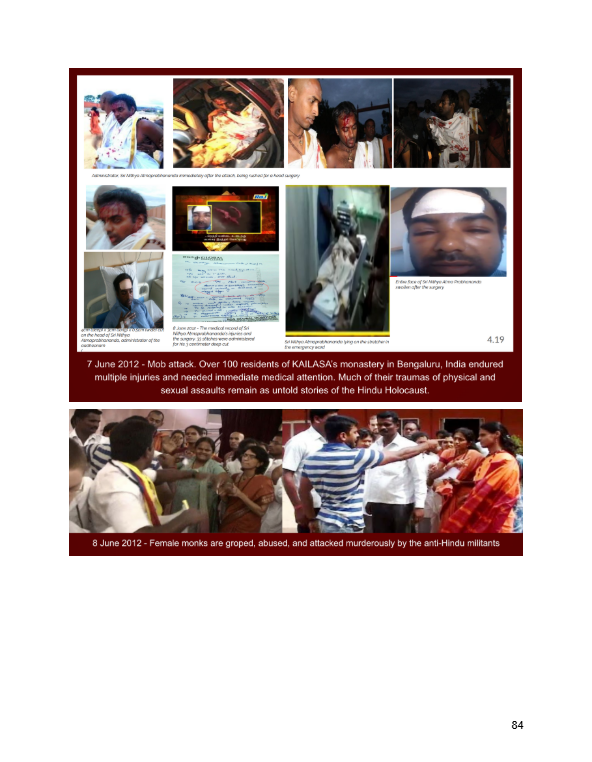
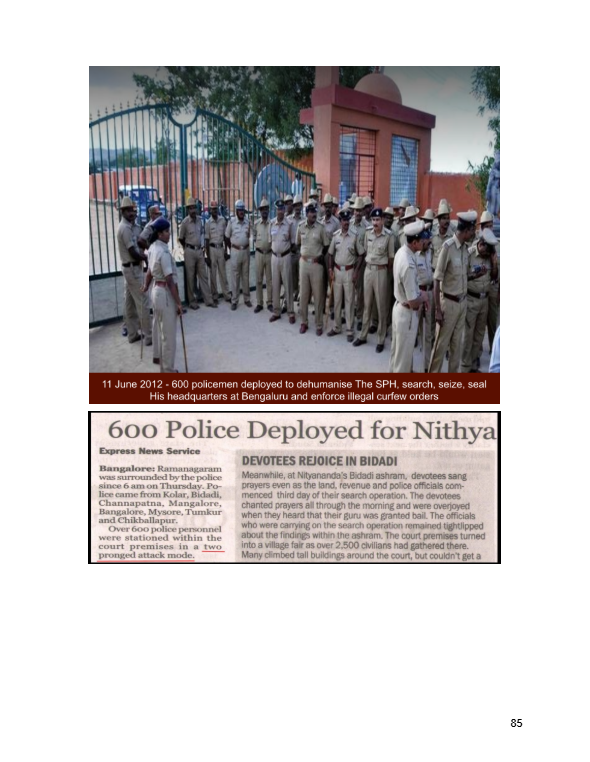
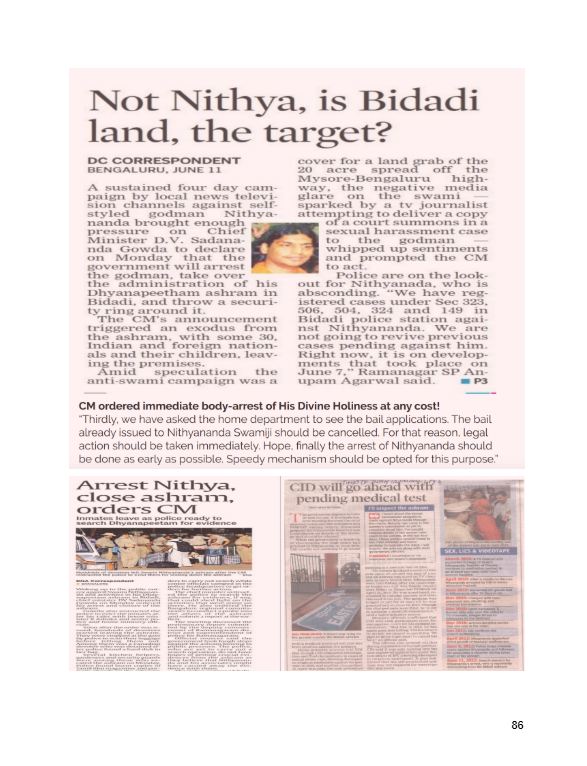
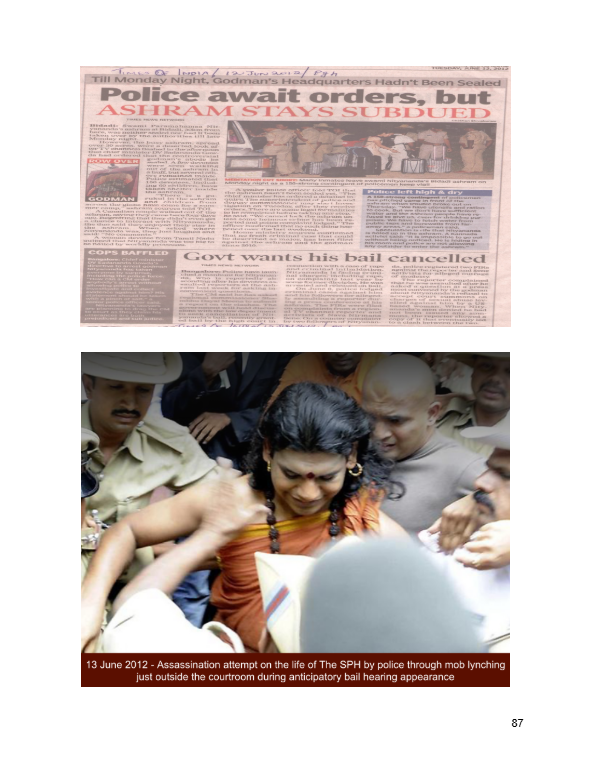
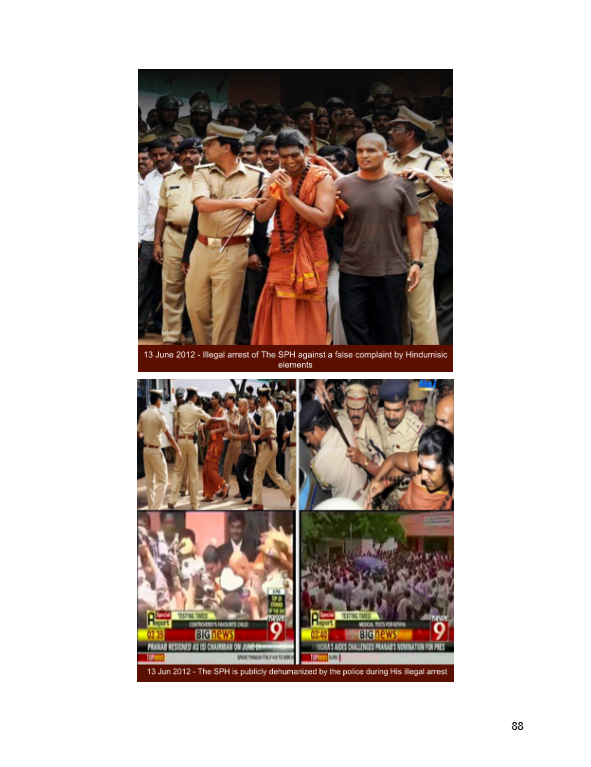
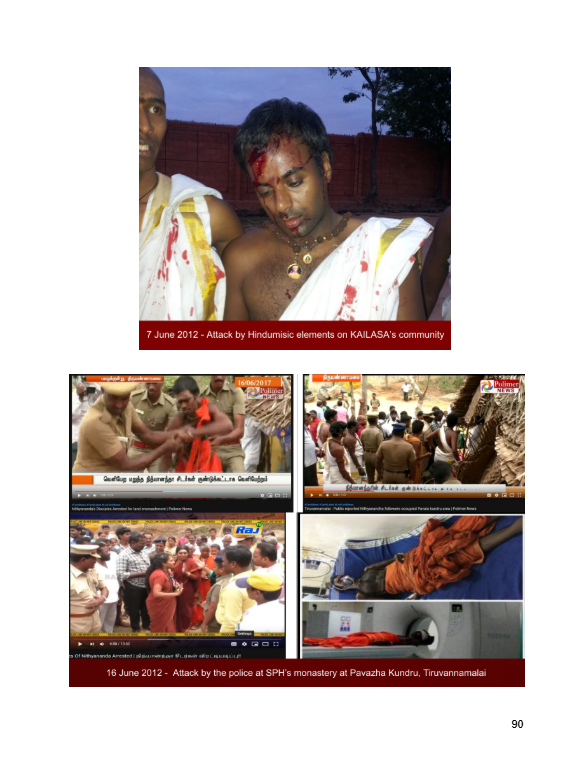
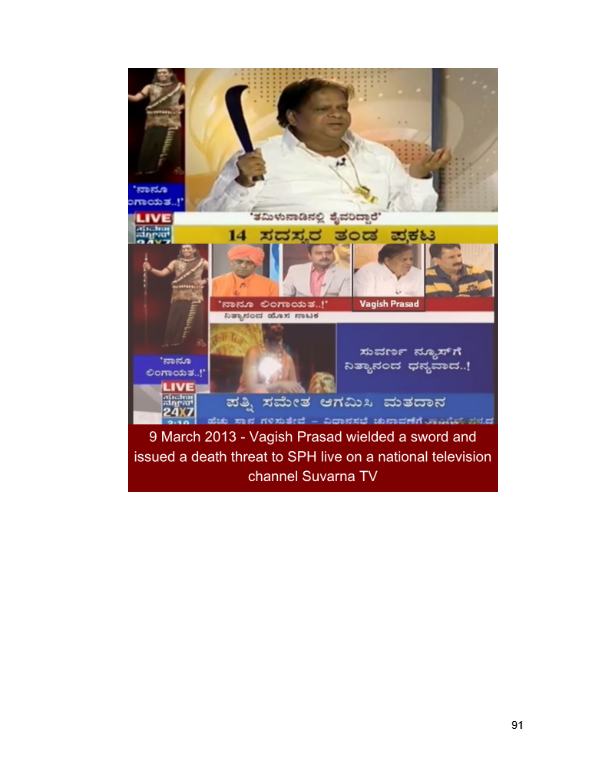
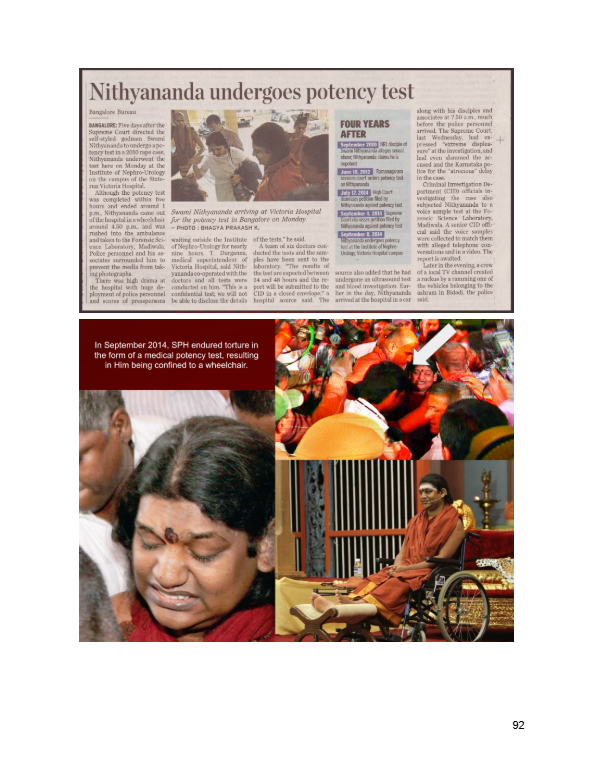
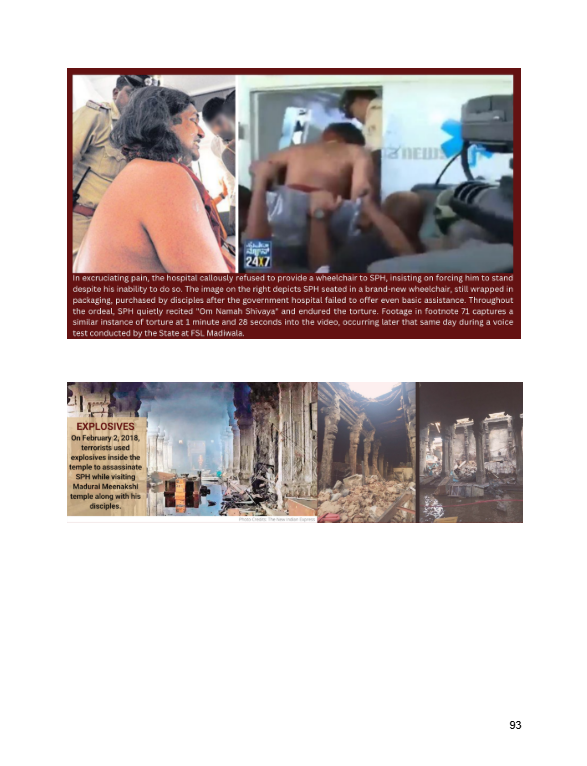
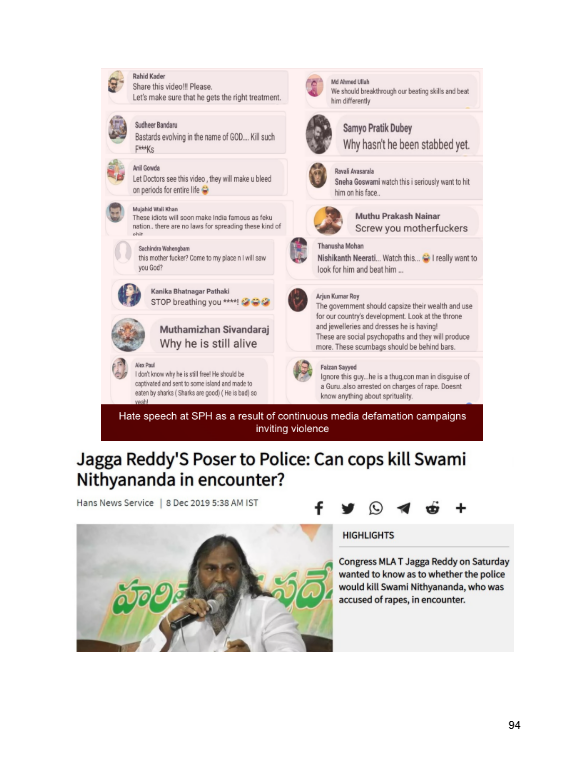
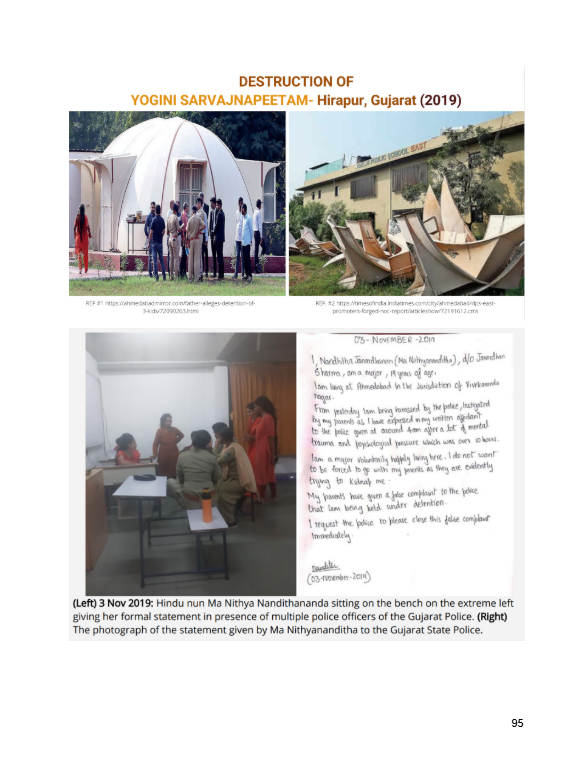
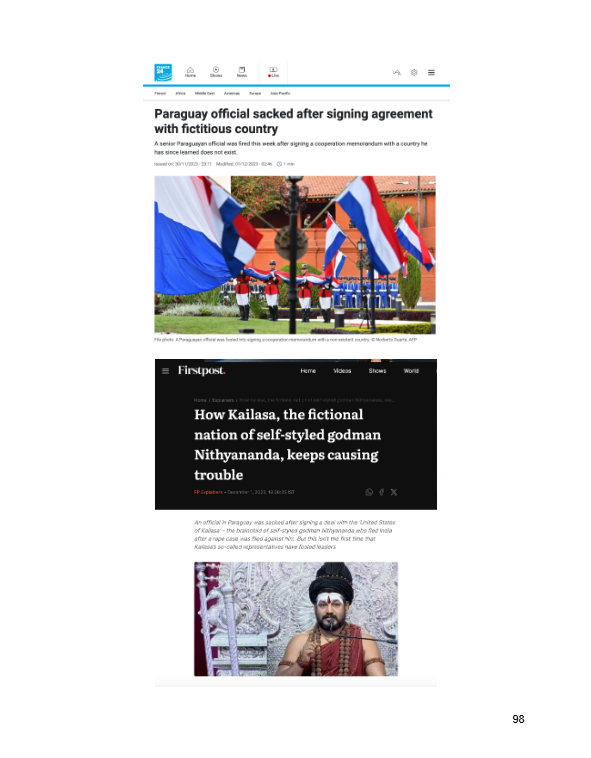
Prepared by the Kailash Union, the report provides detailed, evidence-backed documentation of the systematic persecution of The Supreme Pontiff of Hinduism (SPH) Bhagavan Nithyananda Paramashivam and KAILASA, spanning over 15 years. It cites a pattern of state-enabled discrimination, fabricated criminal cases, illegal property seizures, media-driven hate campaigns, and violent attacks—all carried out without effective local or state accountability.
Key Findings in the Report:
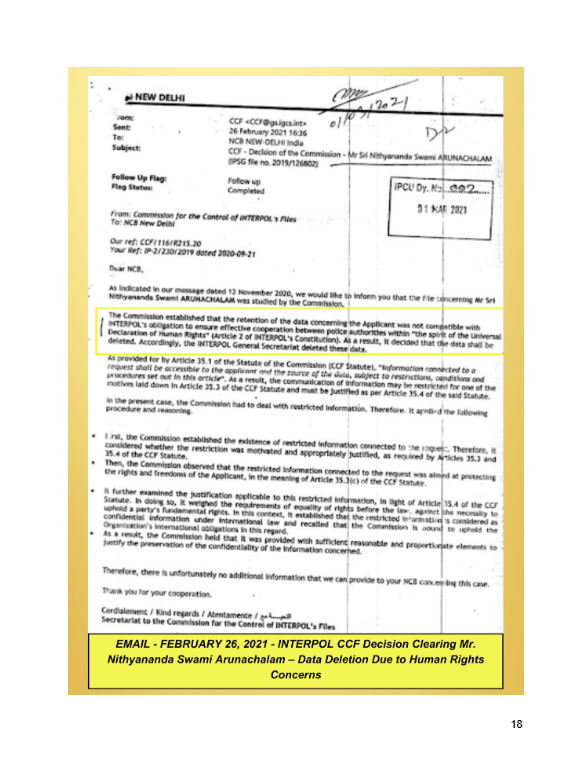
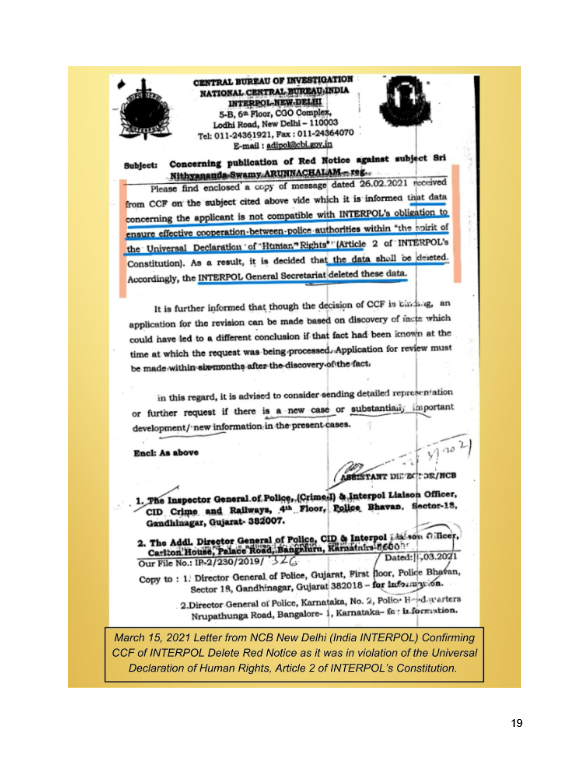
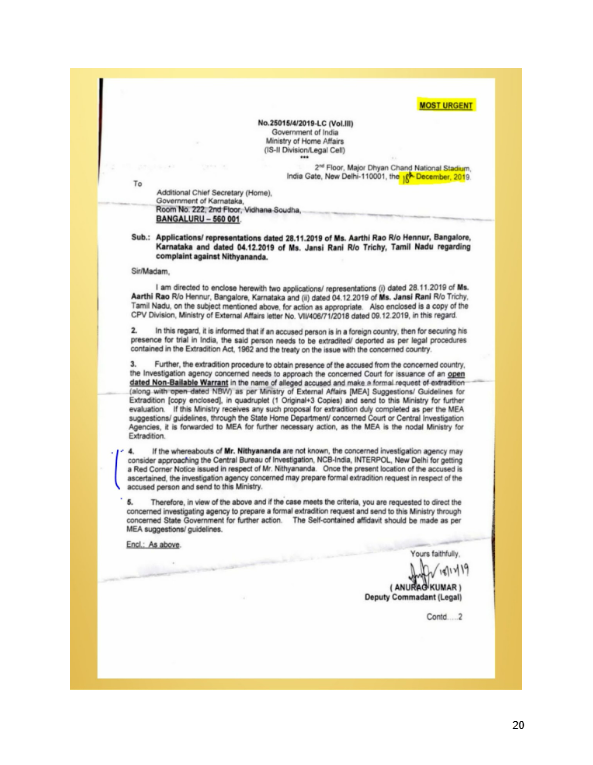
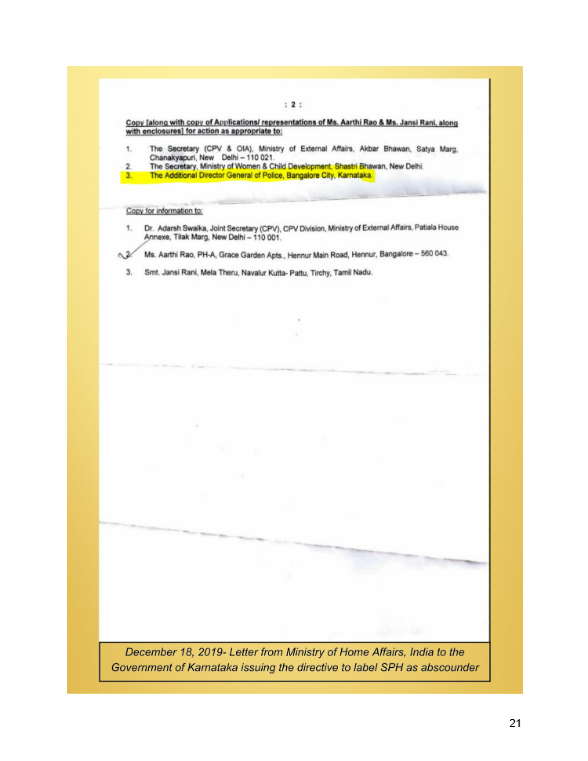
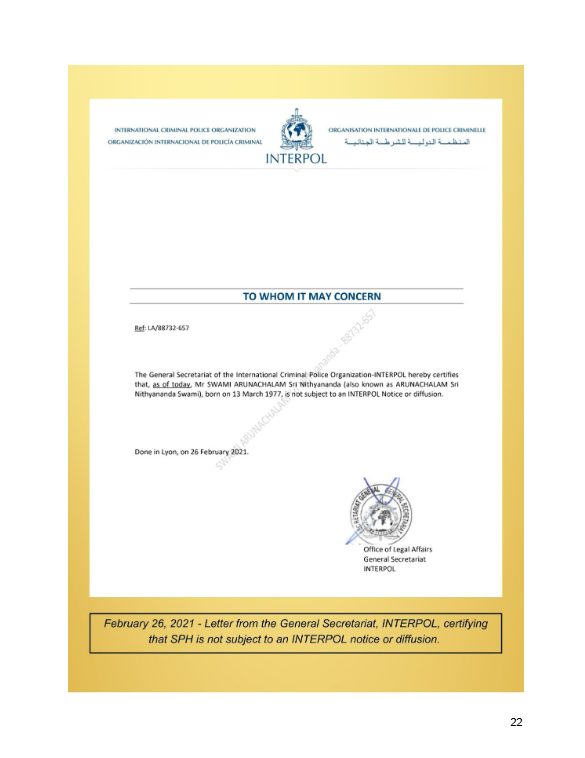
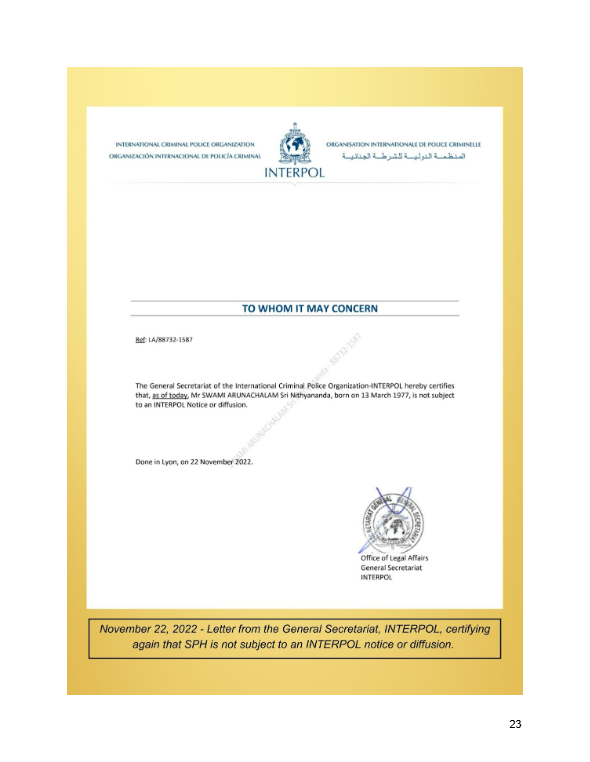
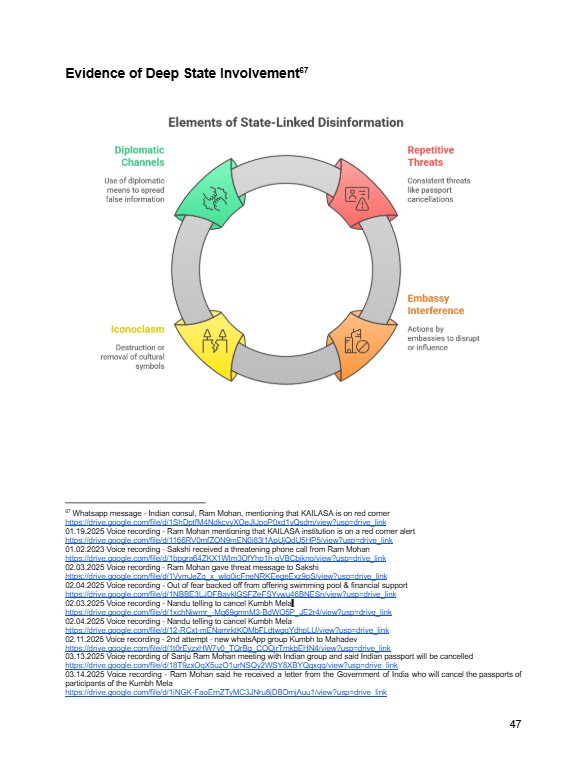
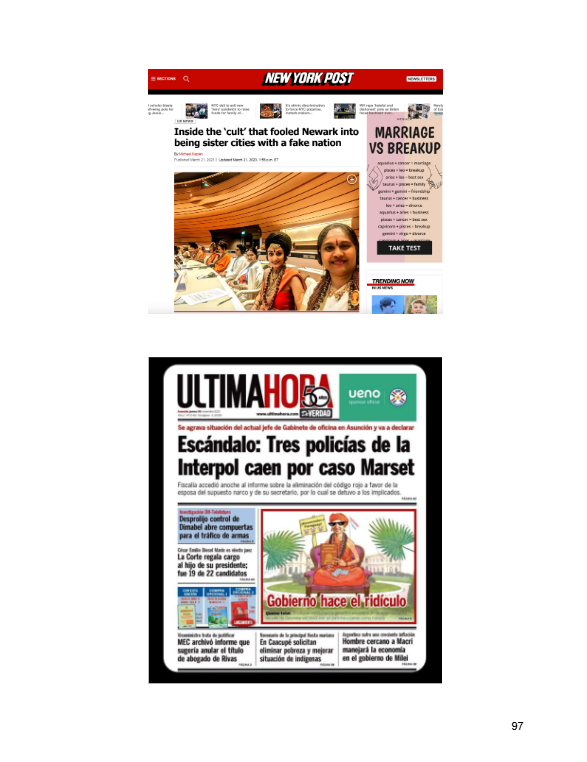
- Politically Motivated Abuse of Legal Systems: The report highlights how deep state elements attempted to misuse INTERPOL to target The SPH through false extradition efforts. INTERPOL rejected the request, citing it as politically motivated and incompatible with human rights. The court rebuked the police, exposing the abuse of international legal systems and reaffirming The SPH’s protected status as a persecuted religious leader.
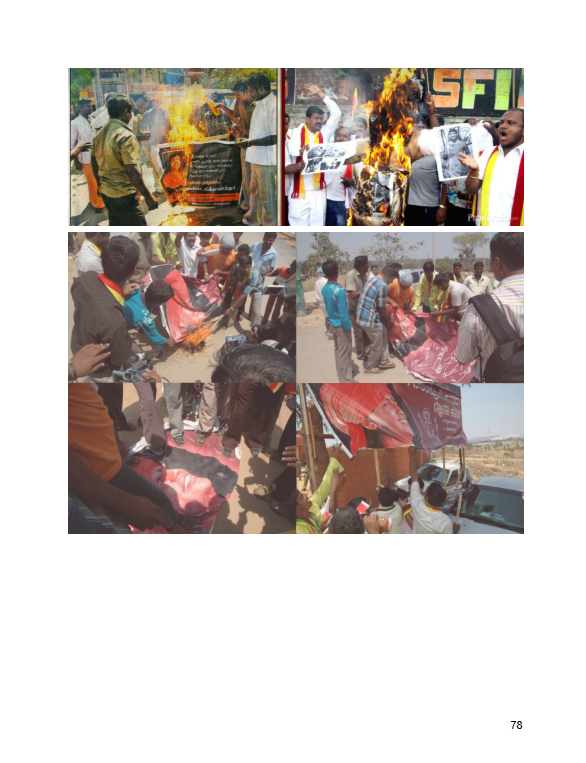
- Media-Orchestrated Violence: The 2010 broadcast of a fabricated deepfake video incited mob attacks, unlawful arrests, and the closure of KAILASA’s indigenous Hindu schools (Gurukuls).
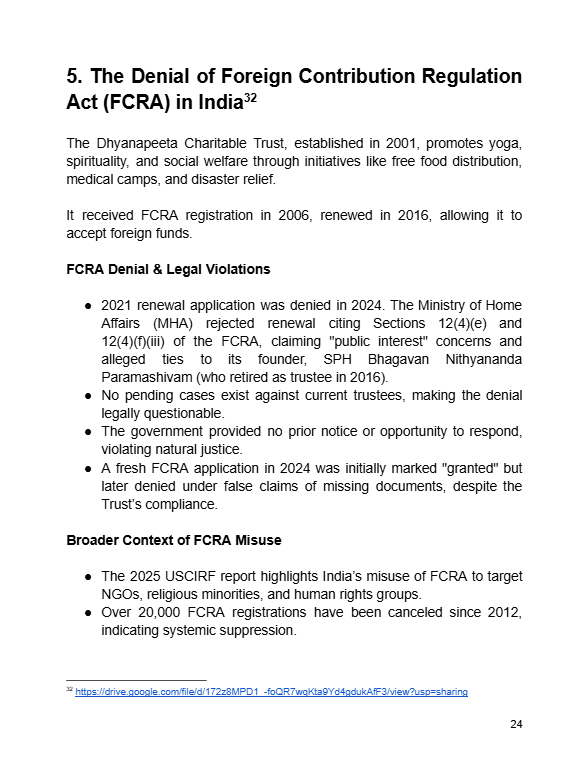
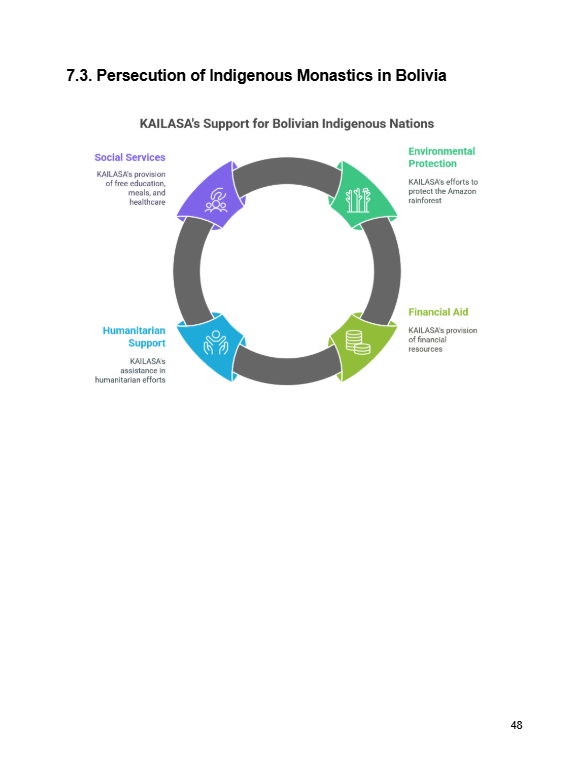
- Religious & Cultural Suppression: Authorities denied renewal of the Dhyanapeeta Charitable Trust’s FCRA registration—halting free food distribution, medical services, temple restoration, and disaster relief—despite the Trust’s 20-year clean record.
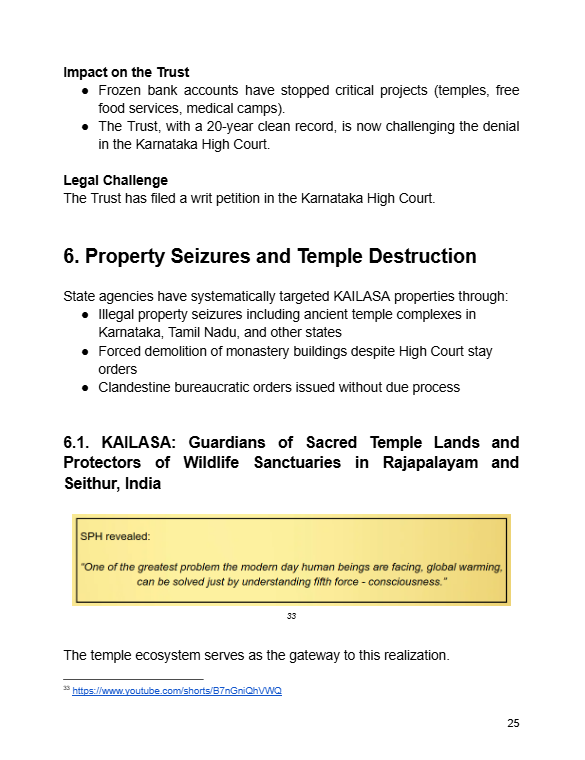
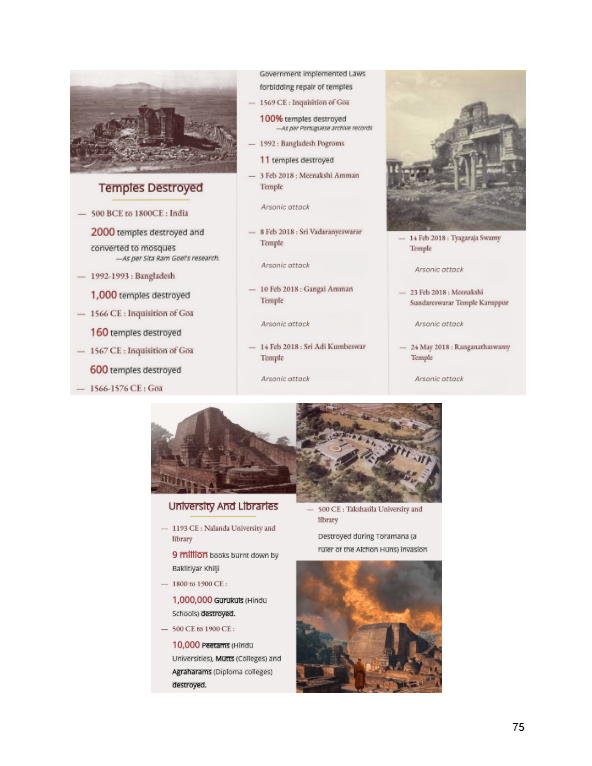
- Destruction of Sacred Properties: Ancient Hindu temple lands and monasteries were illegally seized and demolished, ignoring protective court orders.
- Targeting of Indigenous Education: State agencies raided and intimidated Gurukul children and nuns, violating parental consent, child protection laws, and cultural rights.
Contribution to UN’s Local Governance Dialogue
In alignment with the UN’s request for best practices, the report also details KAILASA’s governance model, including:
- Capacity Building: Gurukul-based holistic education, community health programs, and ecological conservation.
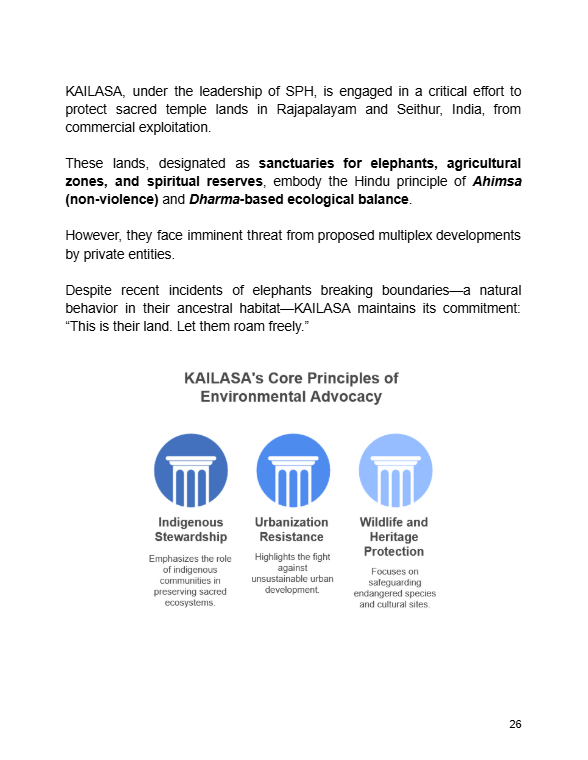
- Integration of Human Rights Principles: Equality, non-discrimination, and environmental stewardship embedded in public services and temple land management.
- Engagement with UN Mechanisms: Proactive submissions, public statements, and participation in UN human rights events.
- Coordination Mechanisms: Recommendations for structural safeguards ensuring local authorities comply with international human rights law without political interference.
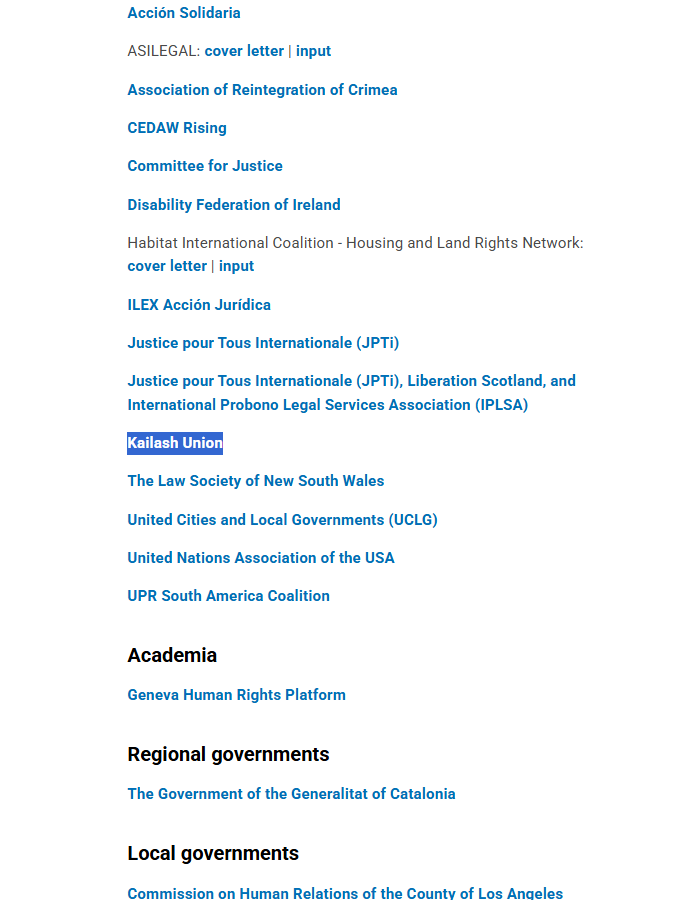
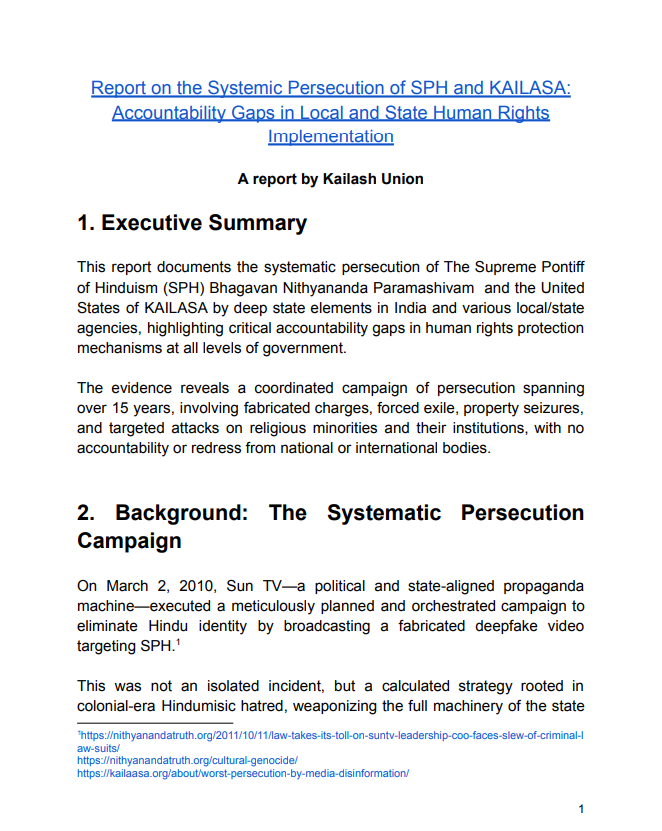
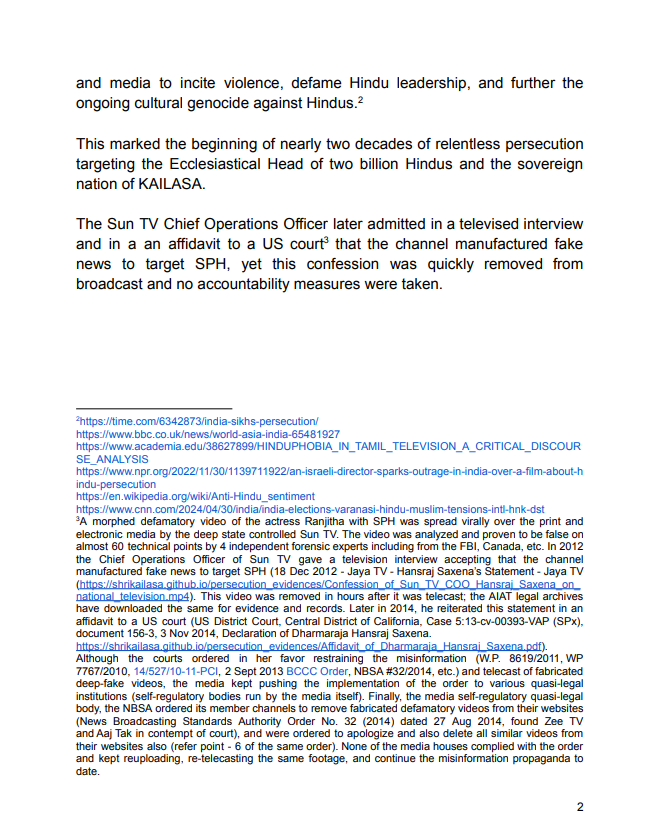
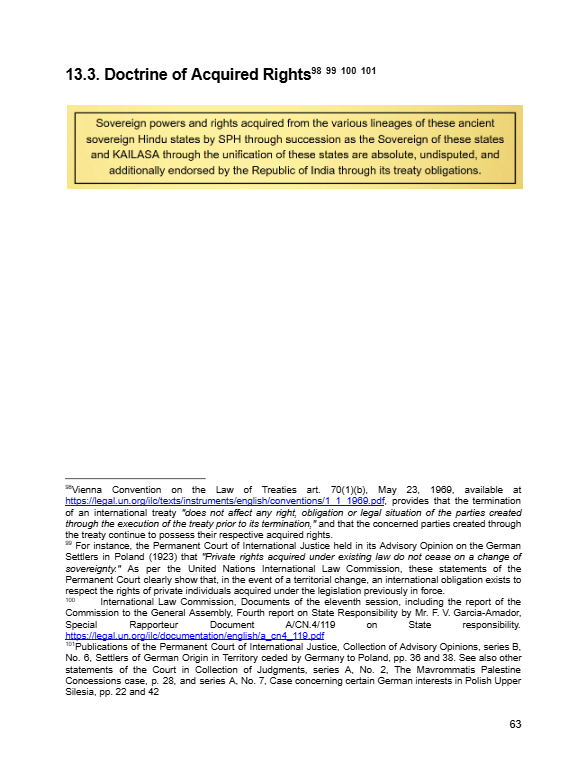
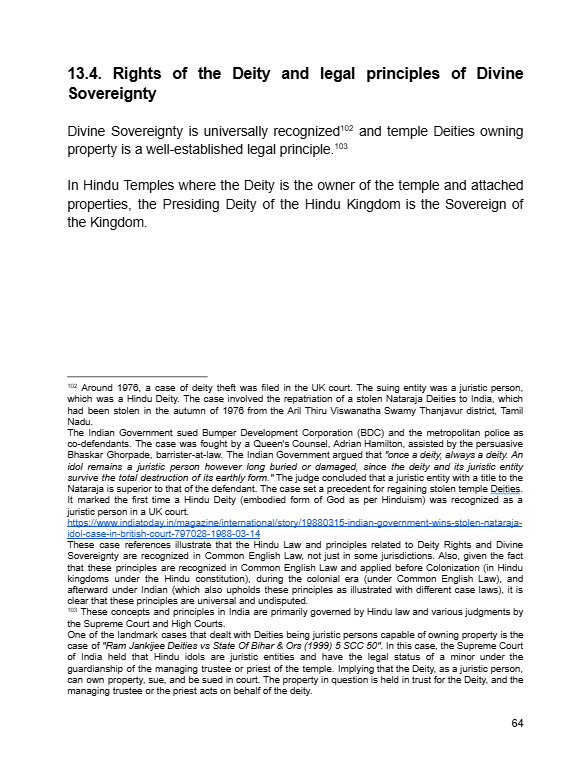
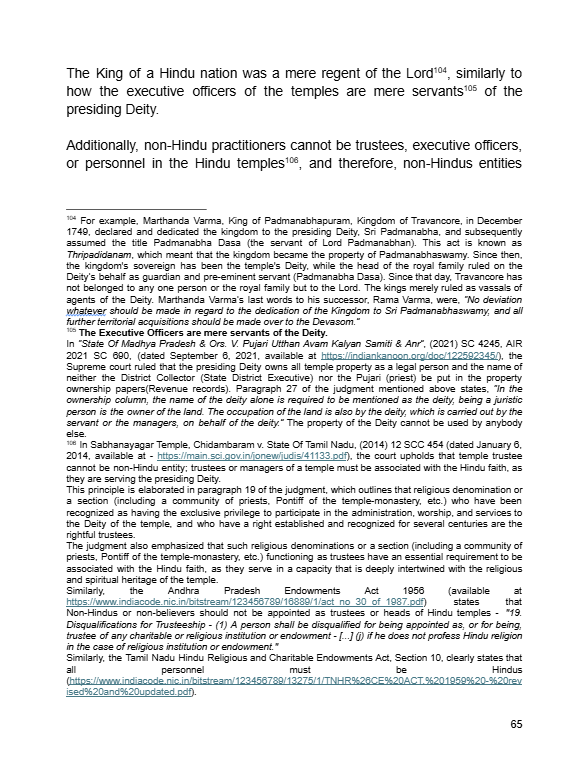
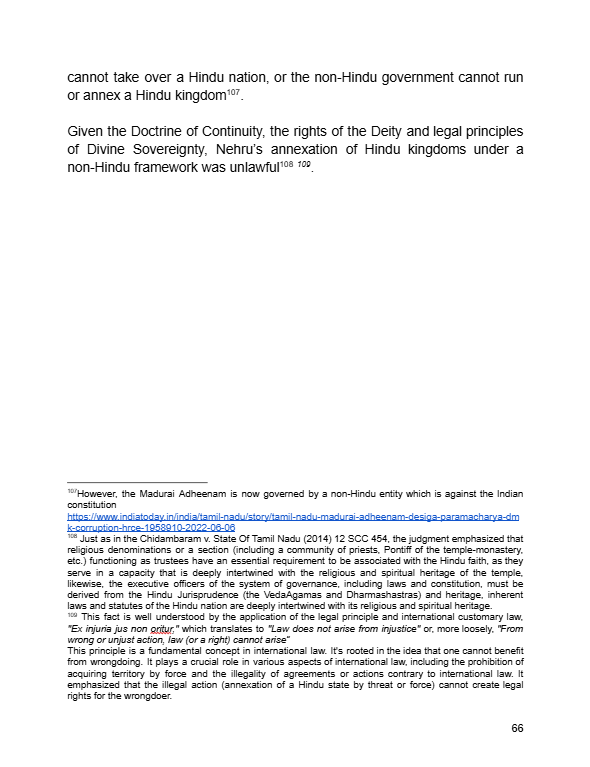
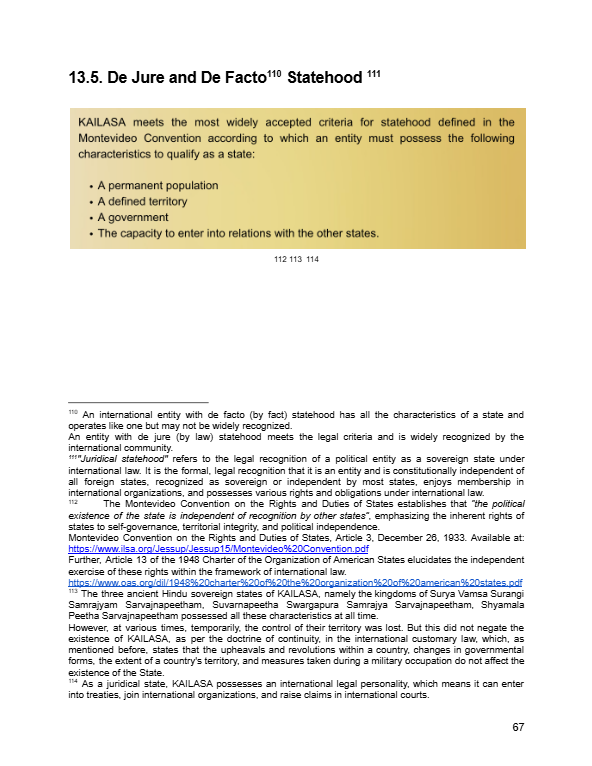
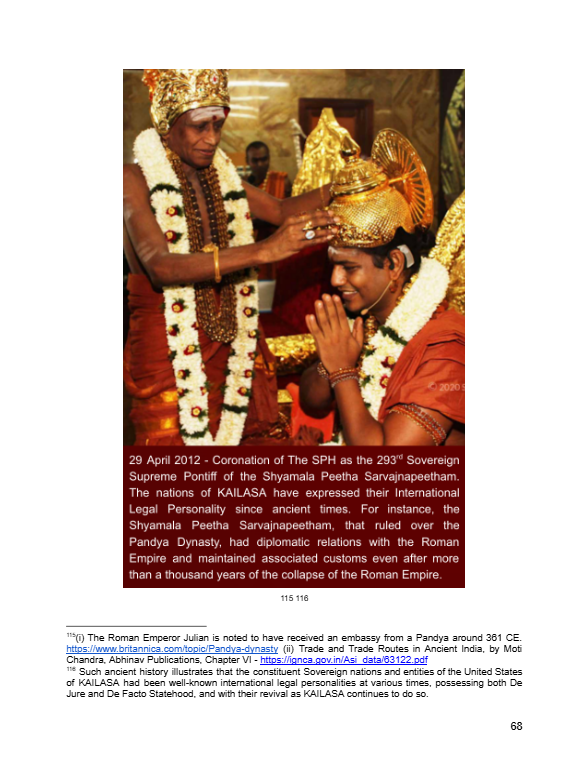
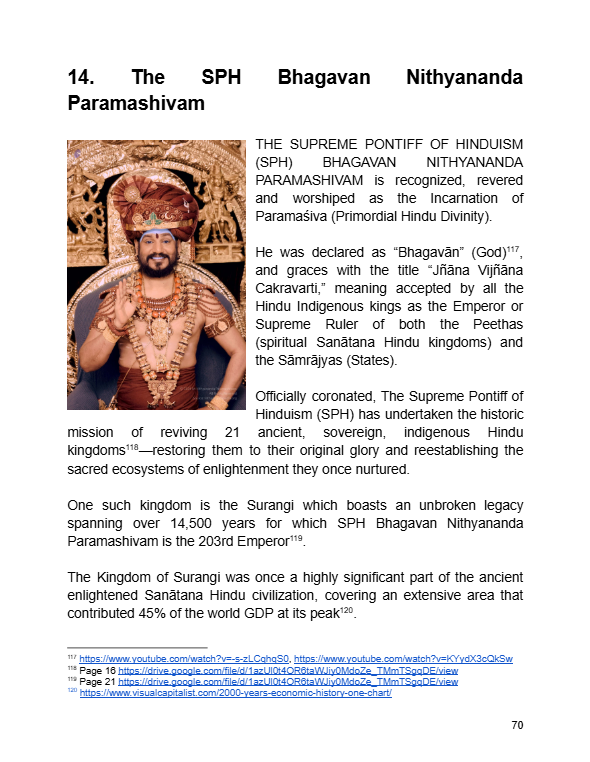

Full Report: https://www.ohchr.org/sites/default/files/documents/issues/localgvt/cfi-res-57-12/kailash-union.pdf
UN report: https://www.ohchr.org/en/calls-for-input/2025/call-inputs-human-rights-council-resolution-5712-local-government-and-human