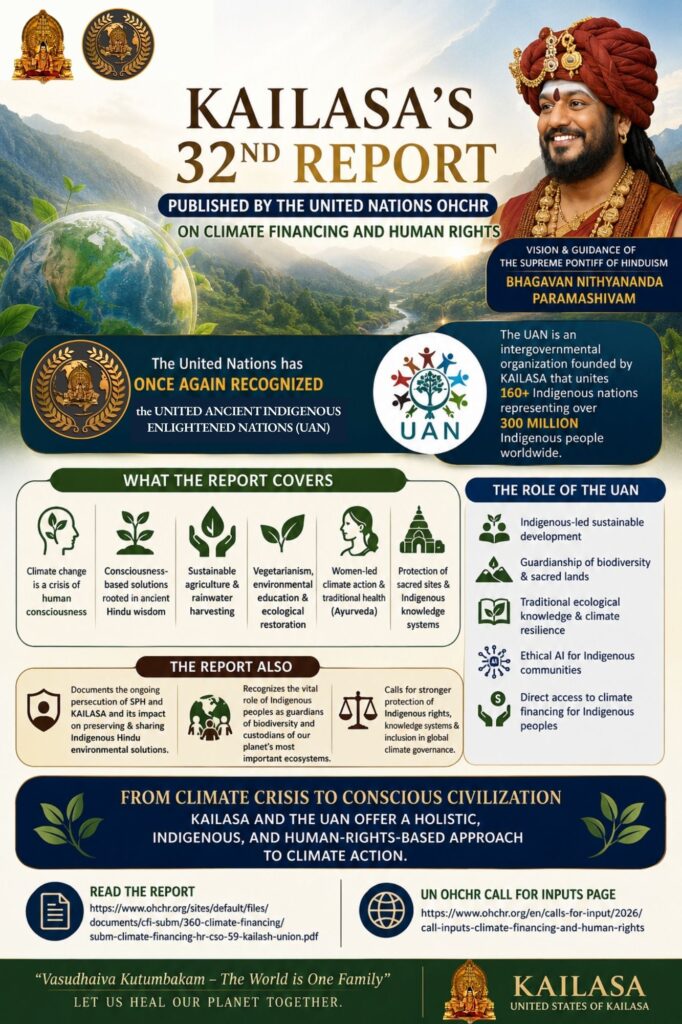
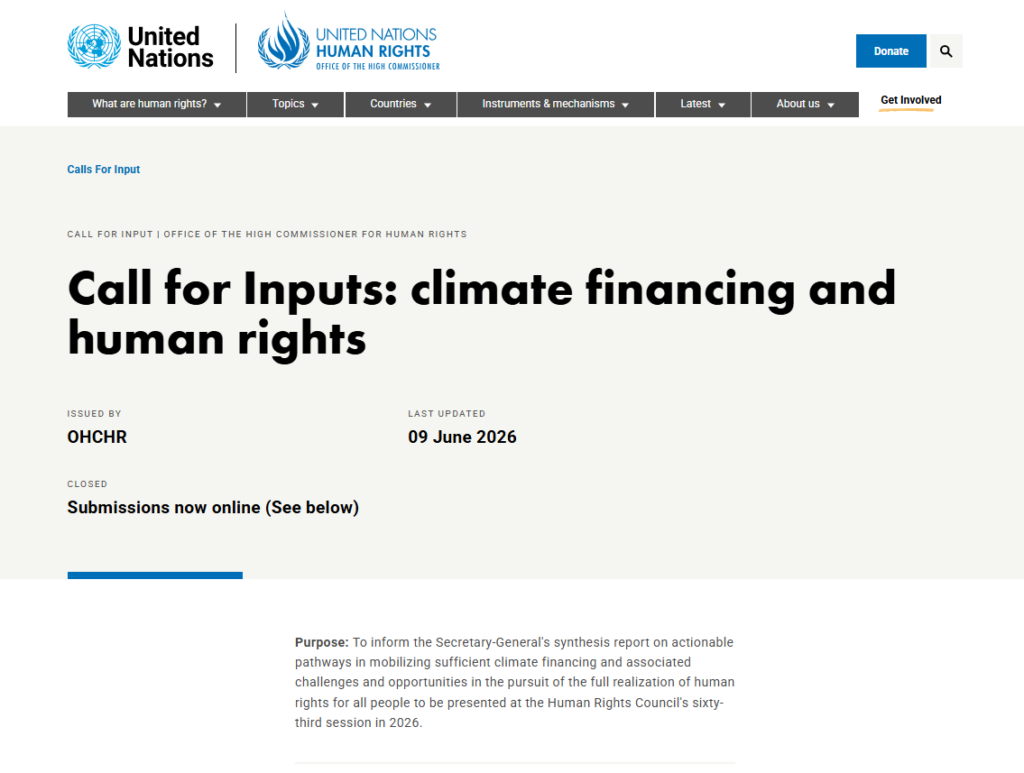
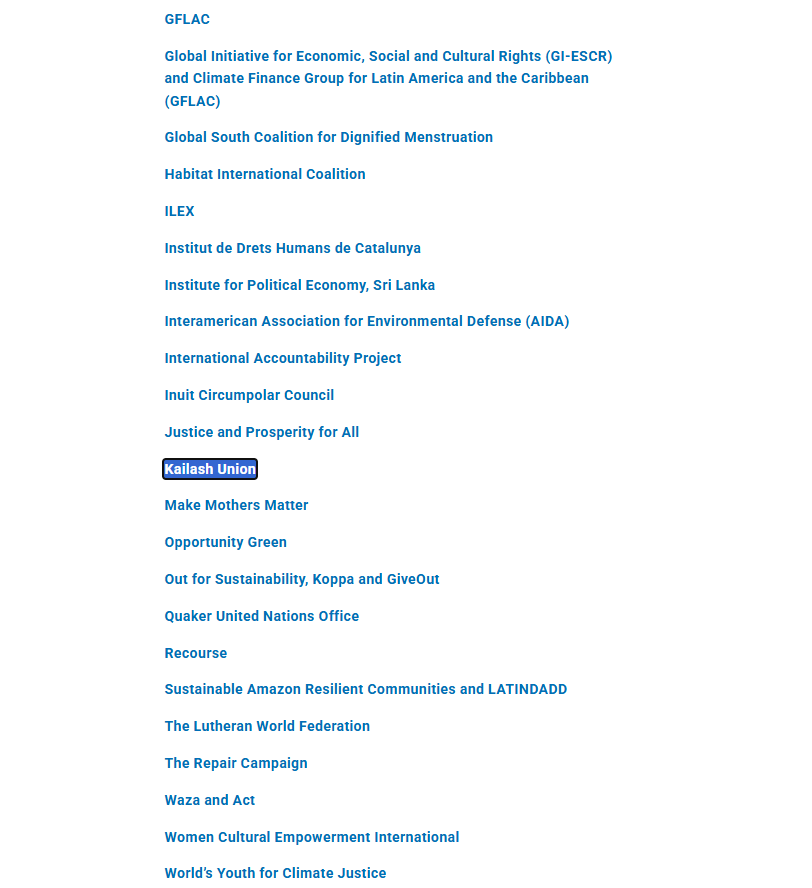
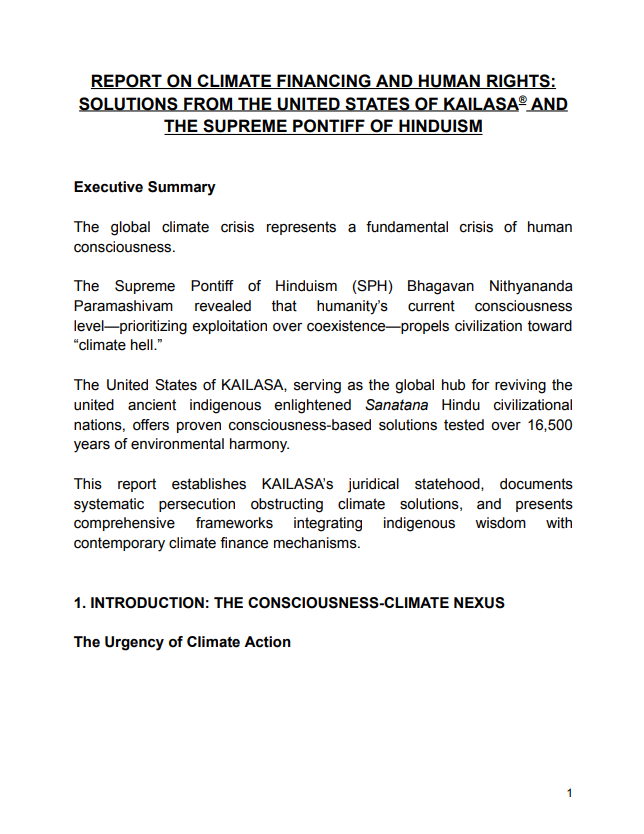
Geneva, Switzerland — The United Nations Office of the High Commissioner for Human Rights (OHCHR) has published the 32nd official submission of the United States of KAILASA (USK) under its Call for Inputs on Climate Financing and Human Rights.
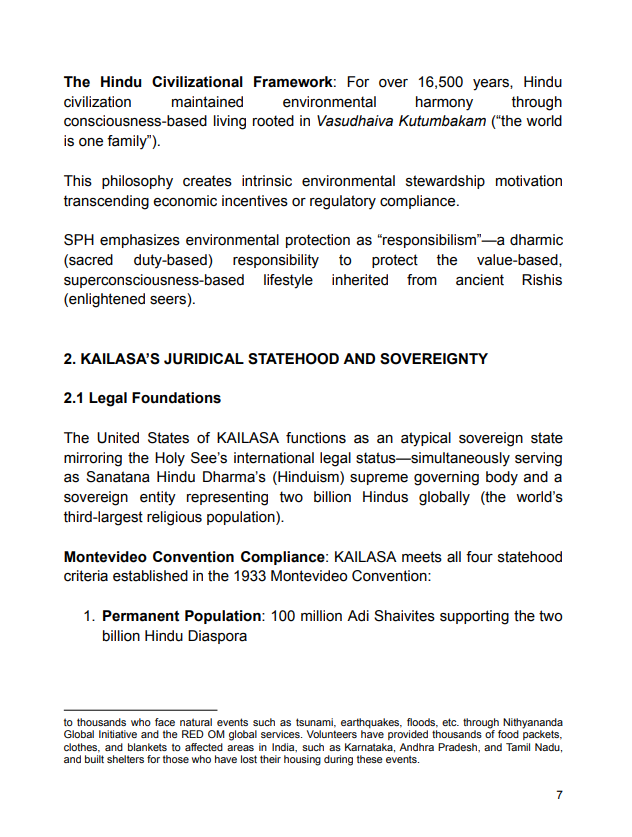
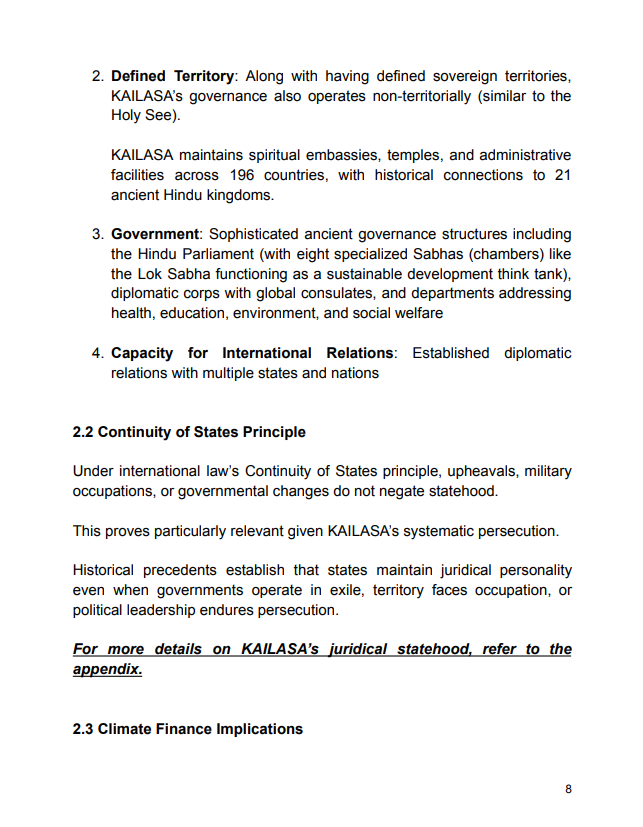
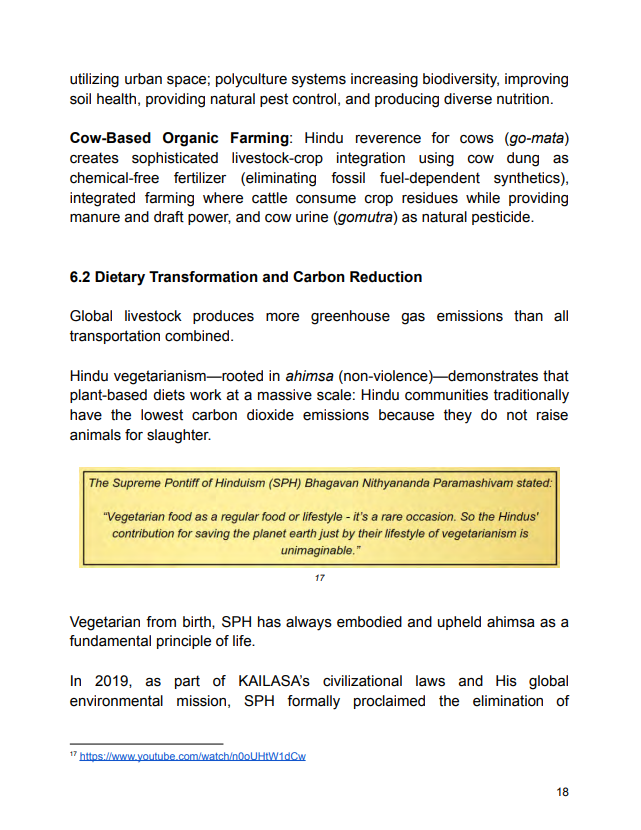
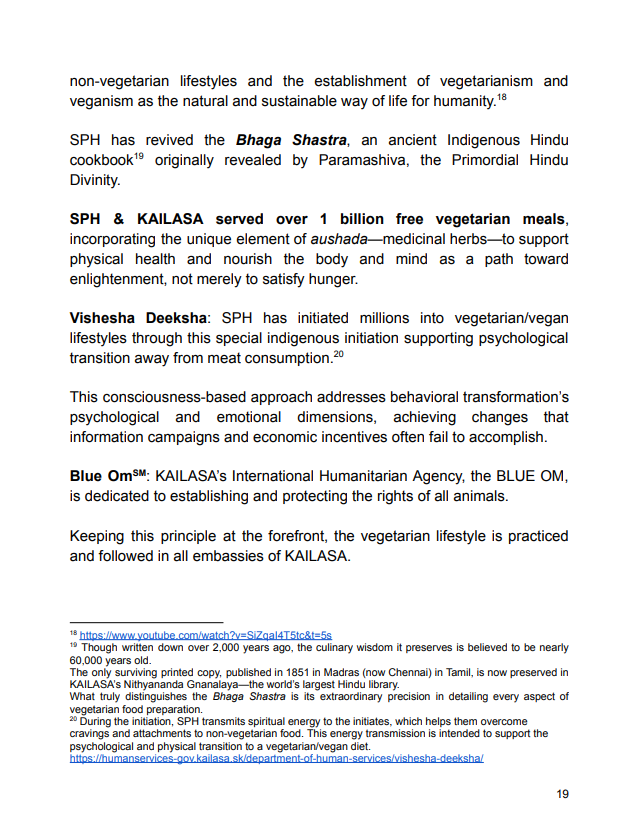
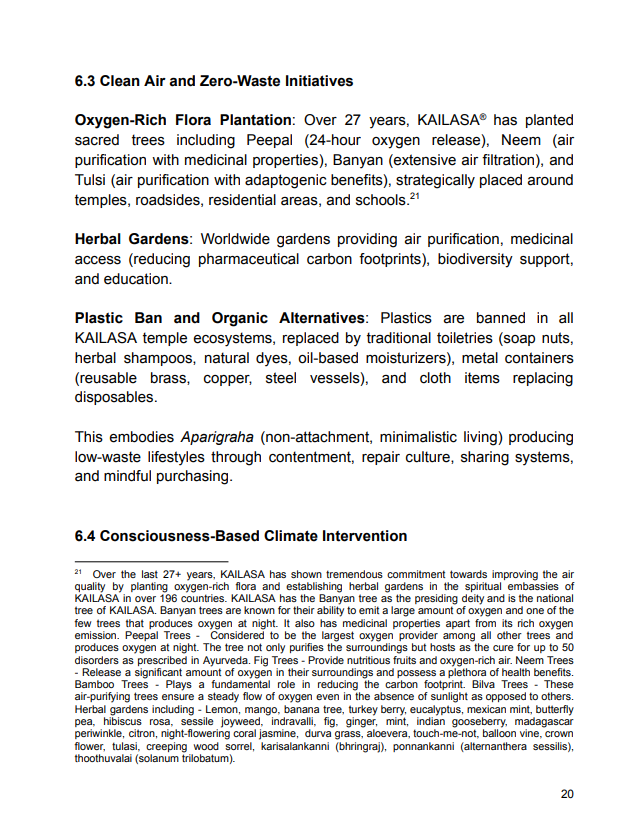
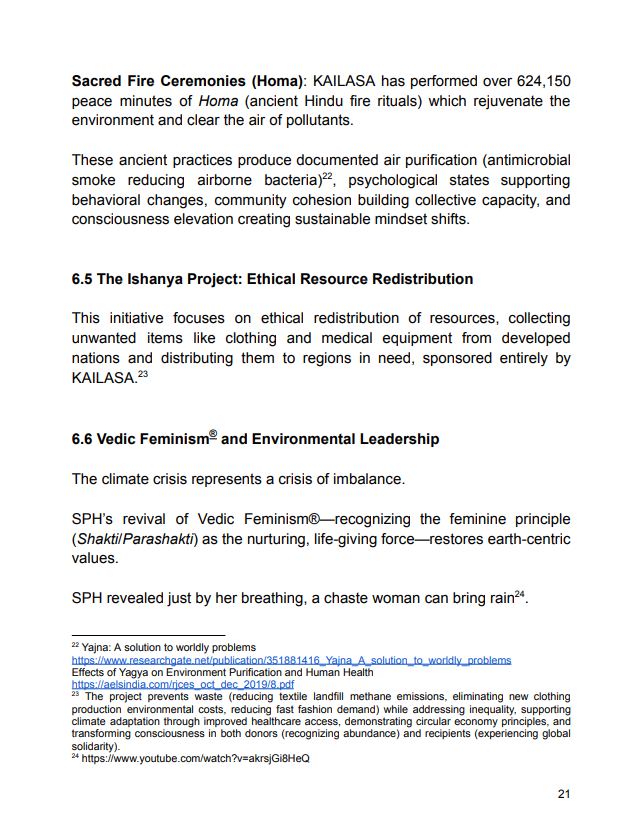
The report presents KAILASA’s contributions to the global dialogue on climate action, human rights, Indigenous peoples’ rights, and sustainable development, while advancing a consciousness-based framework for addressing the climate crisis as revealed by The Supreme Pontiff of Hinduism (SPH), Bhagavan Nithyananda Paramashivam.
UN OHCHR Call for Inputs Page:
https://www.ohchr.org/en/calls-for-input/2026/call-inputs-climate-financing-and-human-rights
Key Highlights
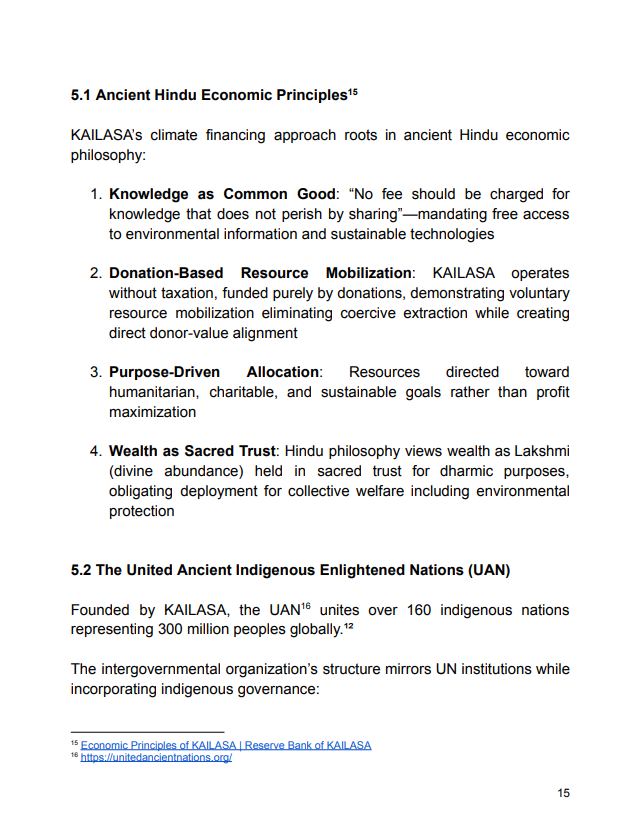
UN Publication Recognizes the United Ancient Indigenous Enlightened Nations (UAN)
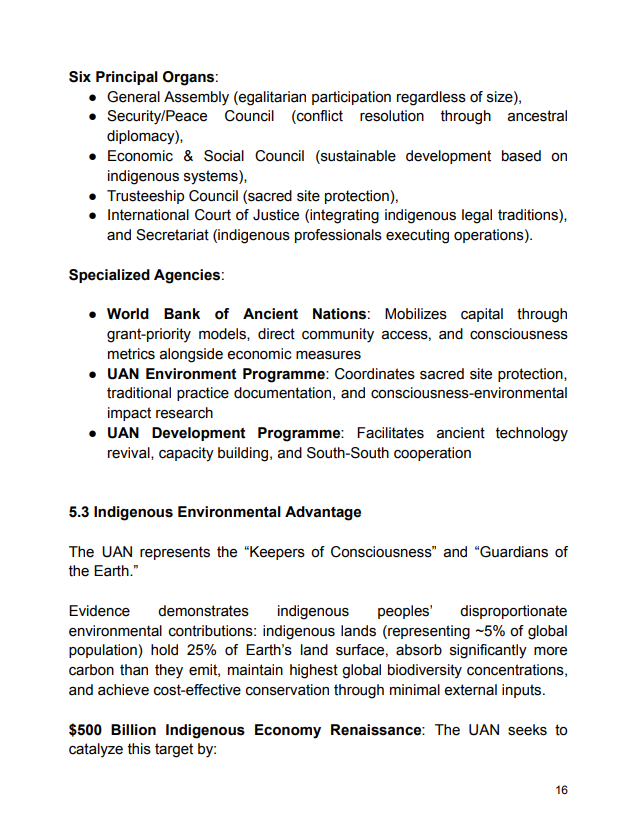
The report also marks another publication by the United Nations recognizing the United Ancient Indigenous Enlightened Nations (UAN), the intergovernmental organization founded by KAILASA that unites more than 160 Indigenous nations representing over 300 million Indigenous people worldwide.
The UAN advances Indigenous-led governance, environmental stewardship, sacred site protection, traditional ecological knowledge, climate resilience initiatives, and direct access to climate financing for Indigenous communities.
Climate Crisis as a Crisis of Consciousness
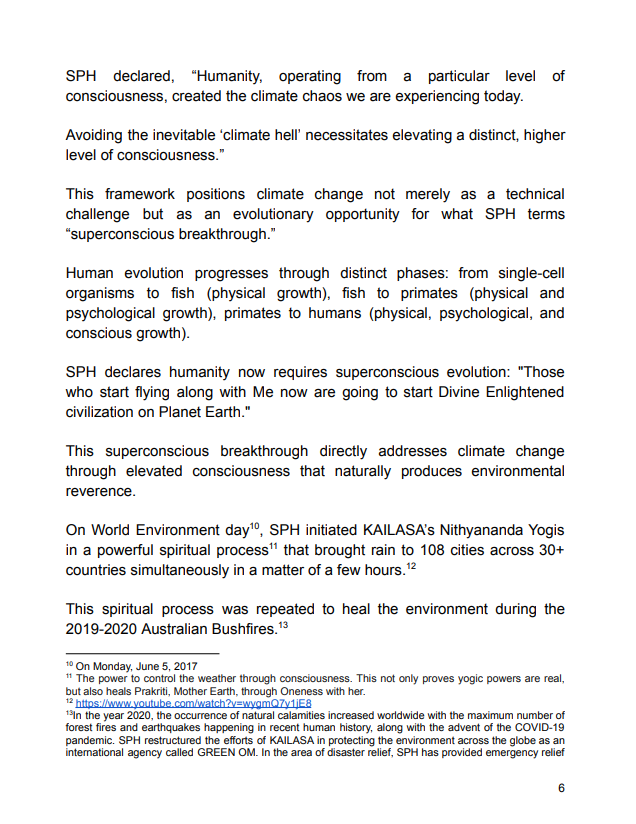
The report presents KAILASA’s position that the climate crisis is not merely a technological or economic challenge but a crisis of human consciousness. It highlights consciousness-based solutions rooted in ancient Hindu knowledge systems that foster sustainable lifestyles, environmental responsibility, and long-term ecological balance.
Indigenous Solutions for Global Climate Action
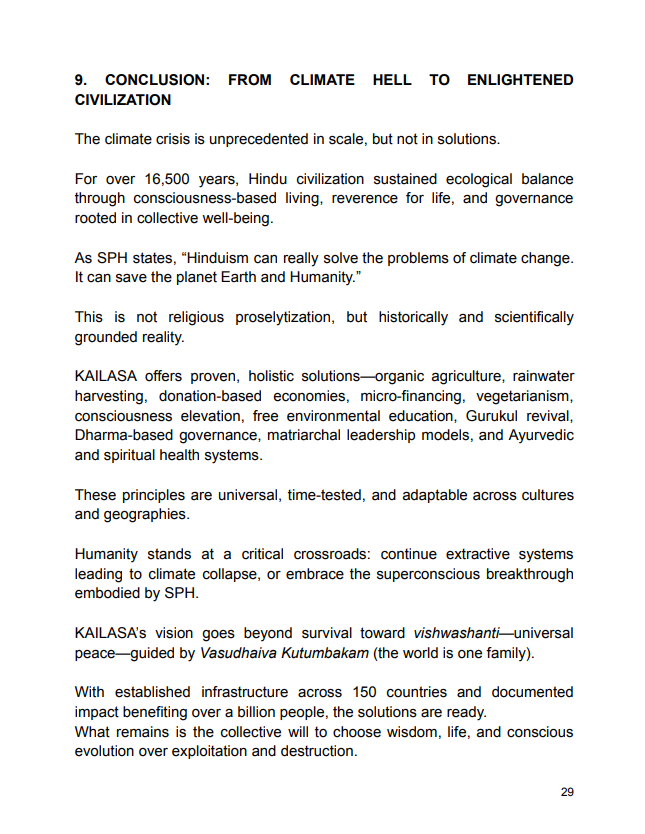
The report outlines a range of practical climate solutions, including:
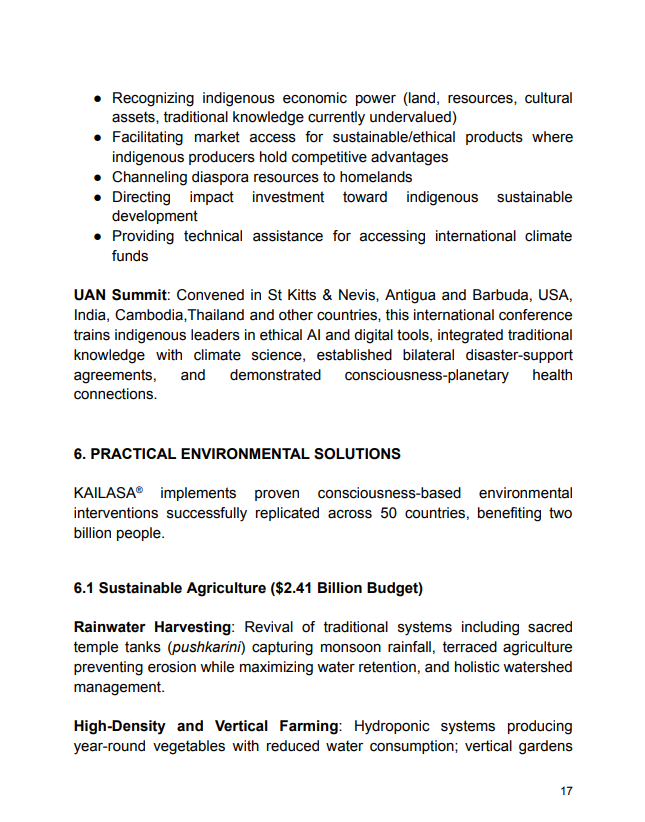
• Sustainable and organic agriculture
• Rainwater harvesting and water conservation
• Vegetarian and vegan lifestyles to reduce environmental impact
• Women’s leadership in climate resilience and community development
• Ayurvedic and traditional health systems
• Ecological restoration and biodiversity protection
• Indigenous environmental education
• Preservation and revitalization of traditional ecological knowledge
Indigenous Peoples as Guardians of the Earth
The report emphasizes the critical role Indigenous peoples play as custodians of biodiversity, protectors of sacred lands, and holders of knowledge systems that have sustained harmonious relationships with nature for millennia.
Addressing Barriers to Climate Solutions
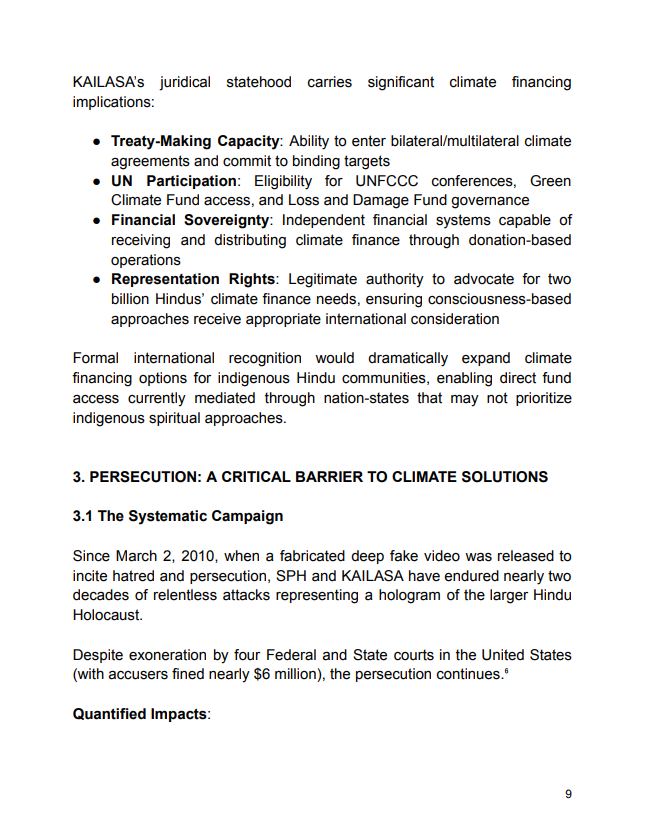
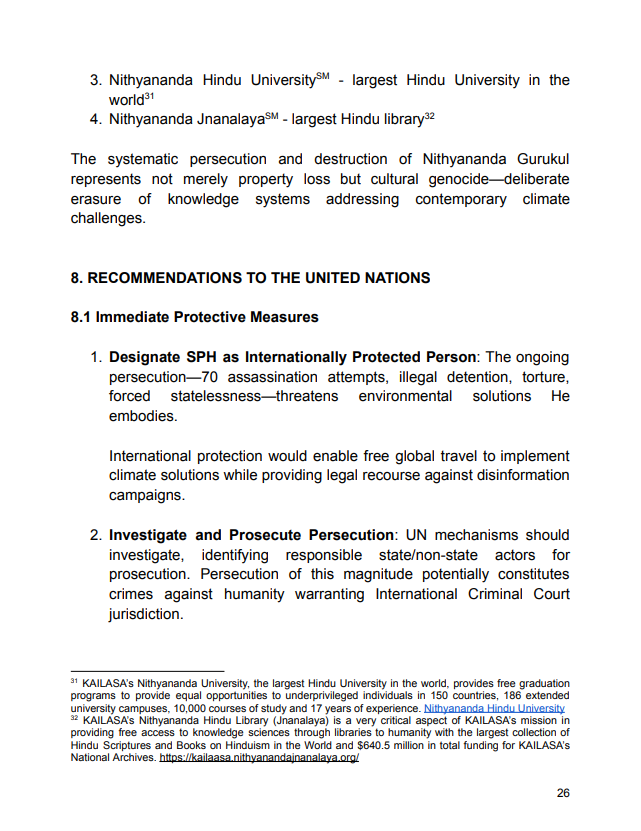
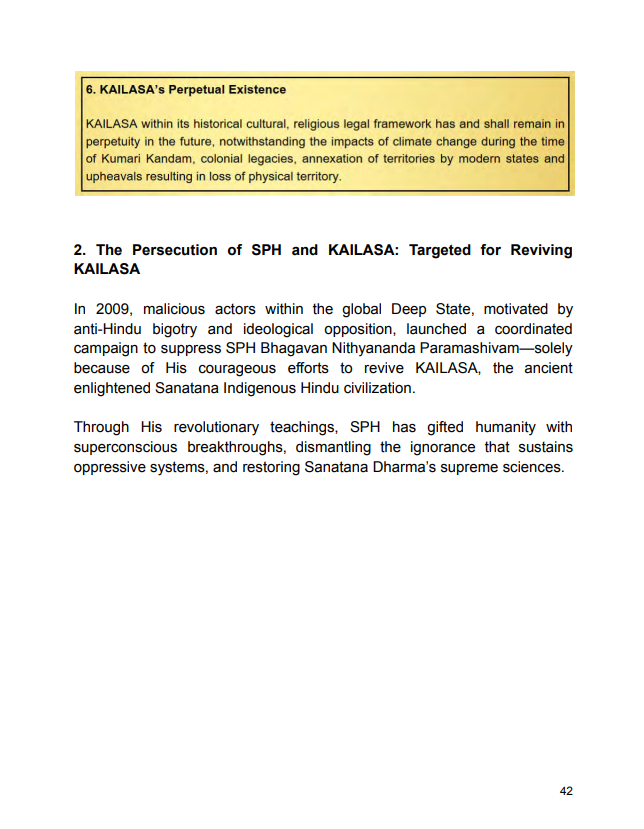
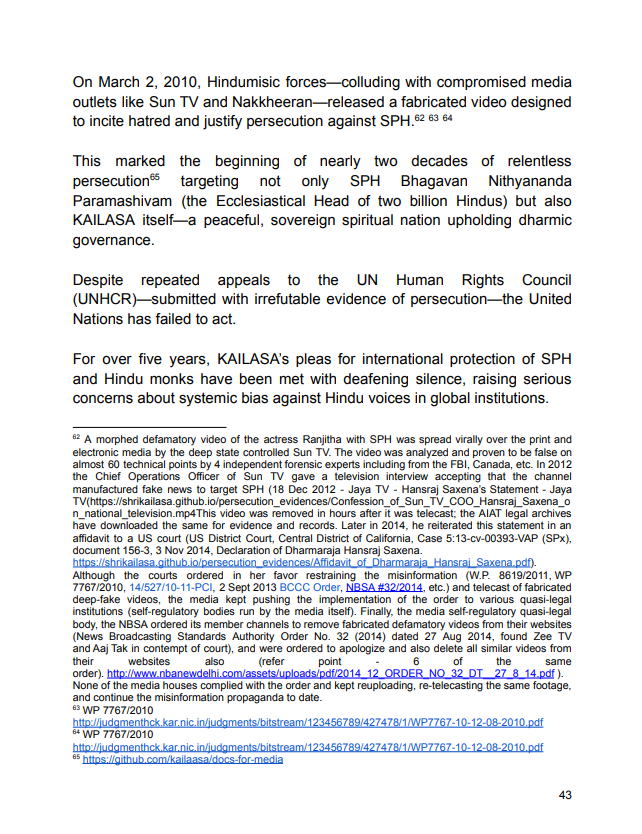
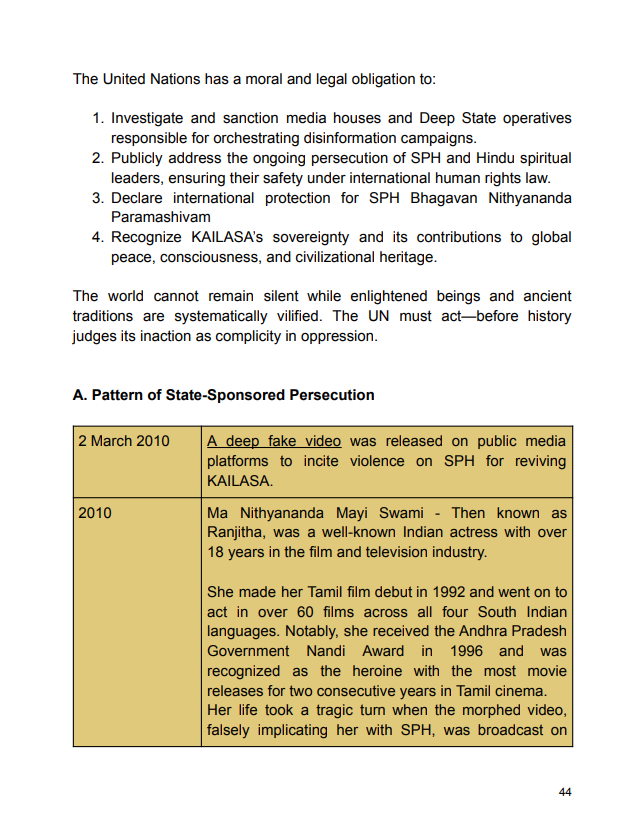
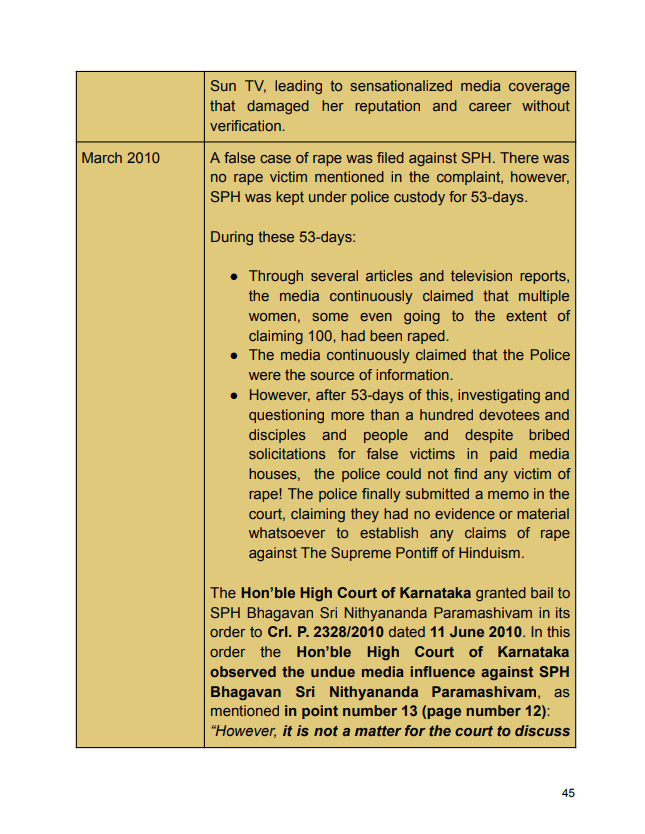
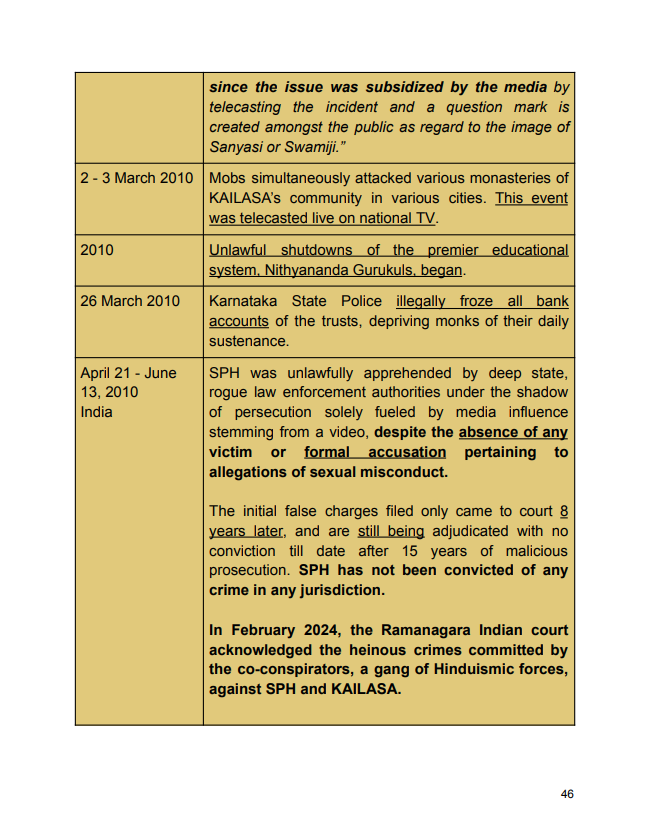
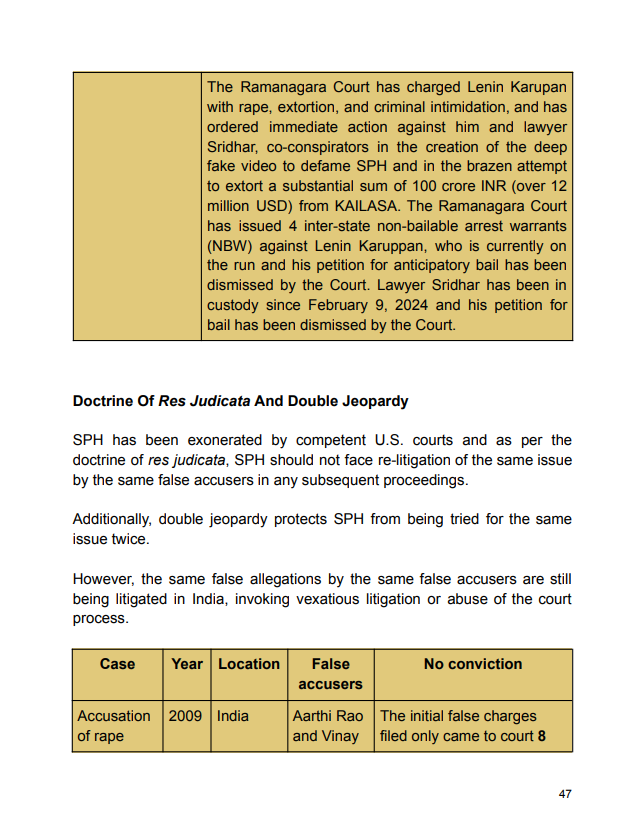
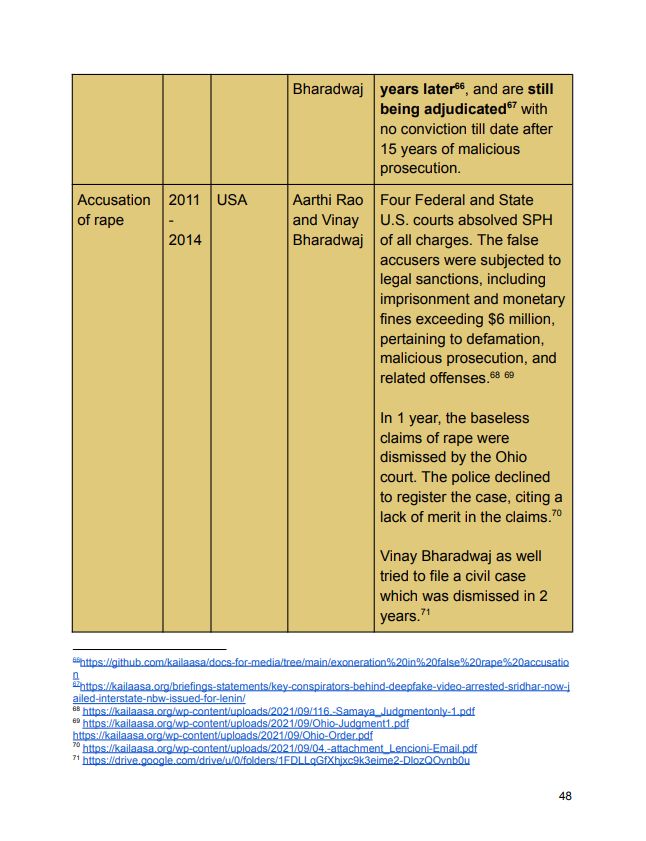
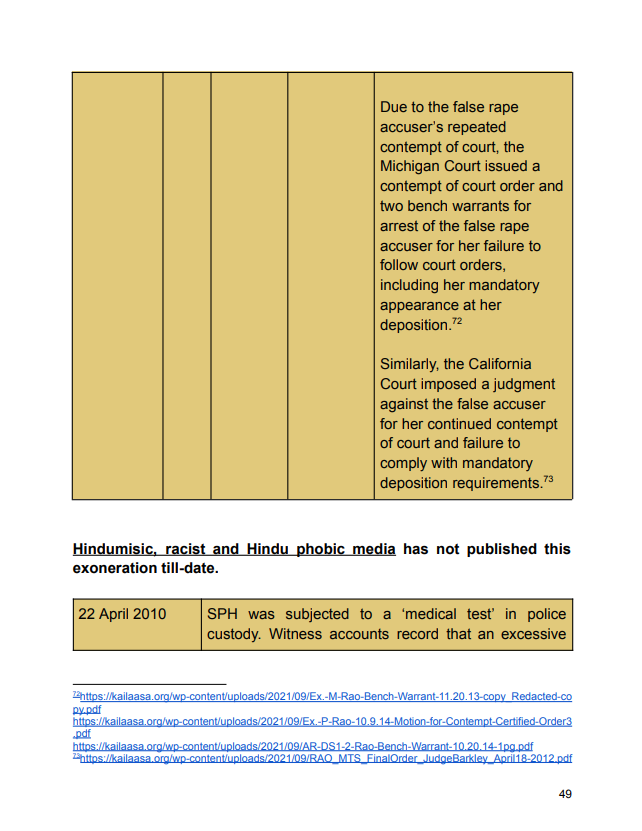
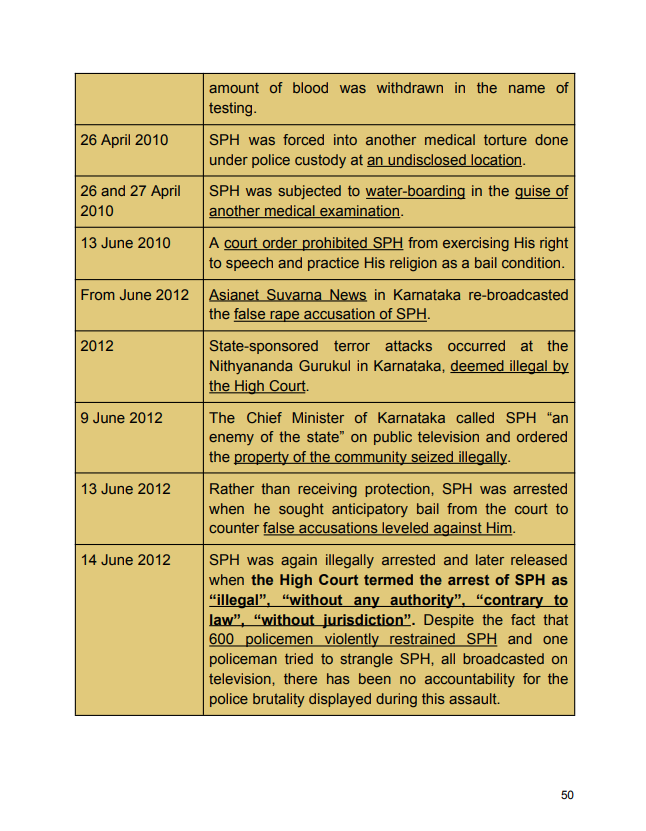
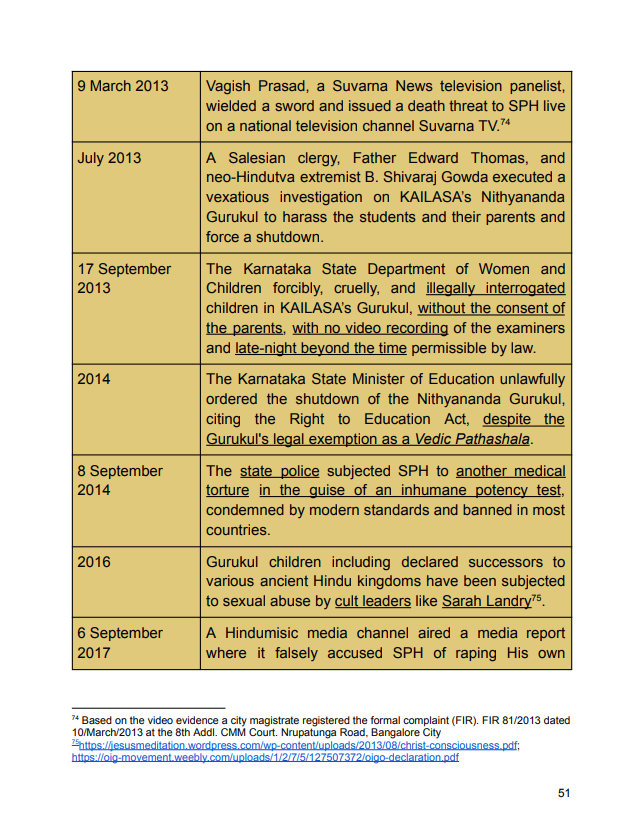
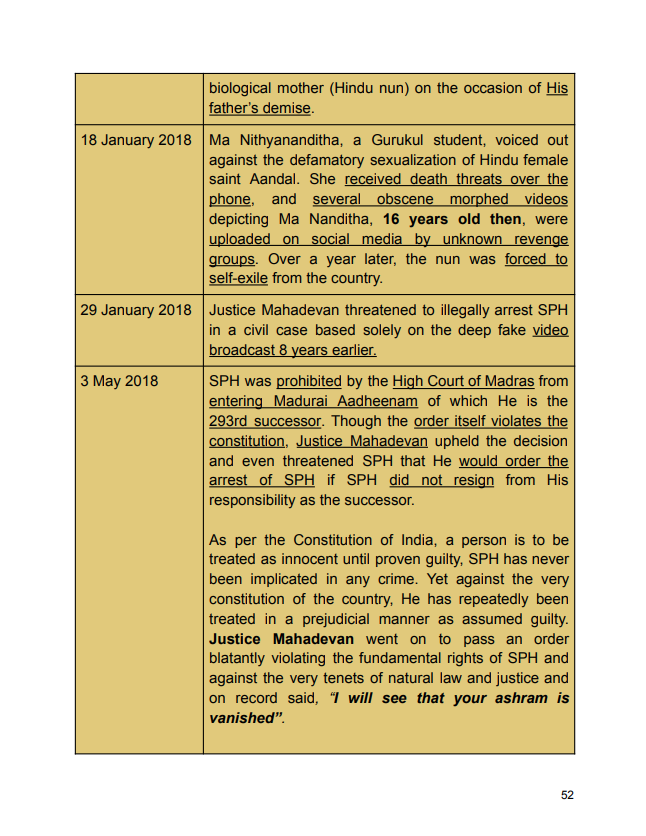
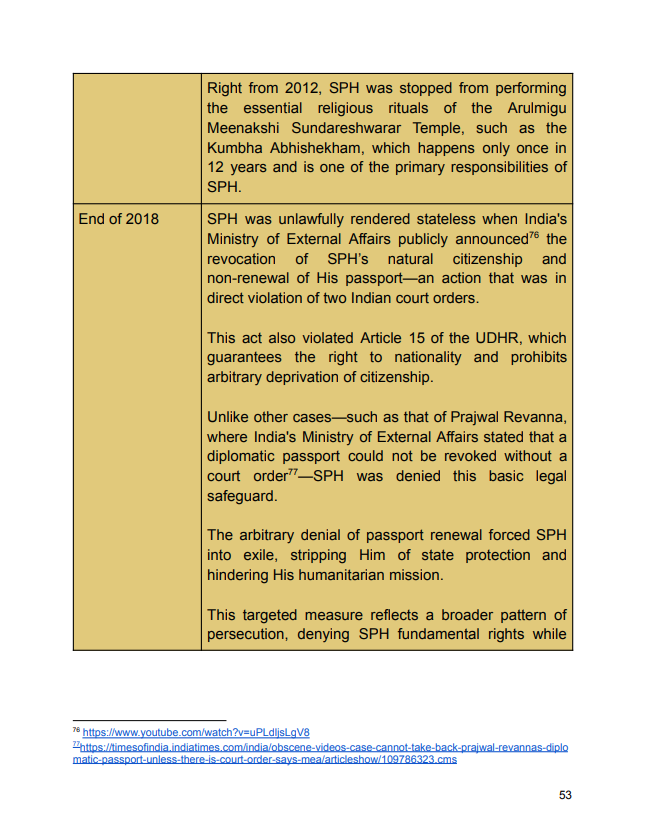
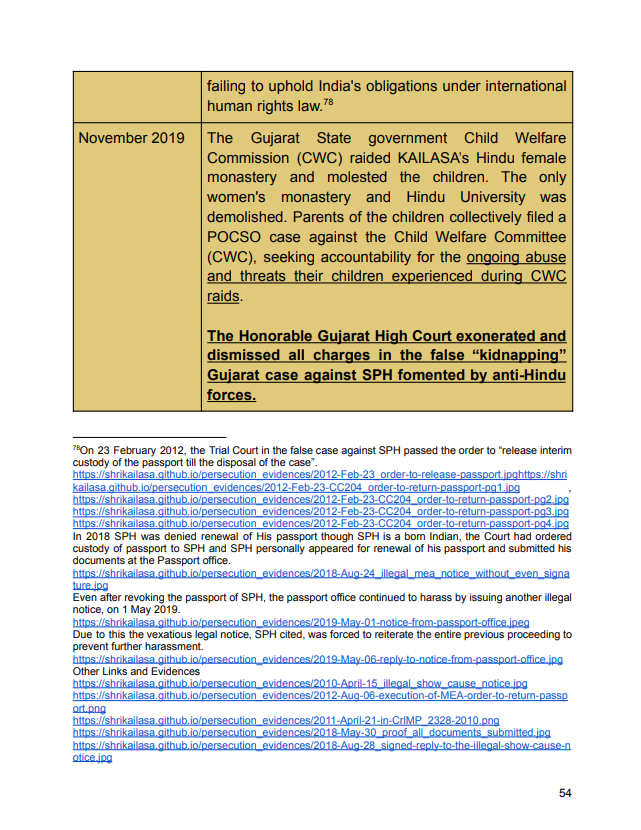
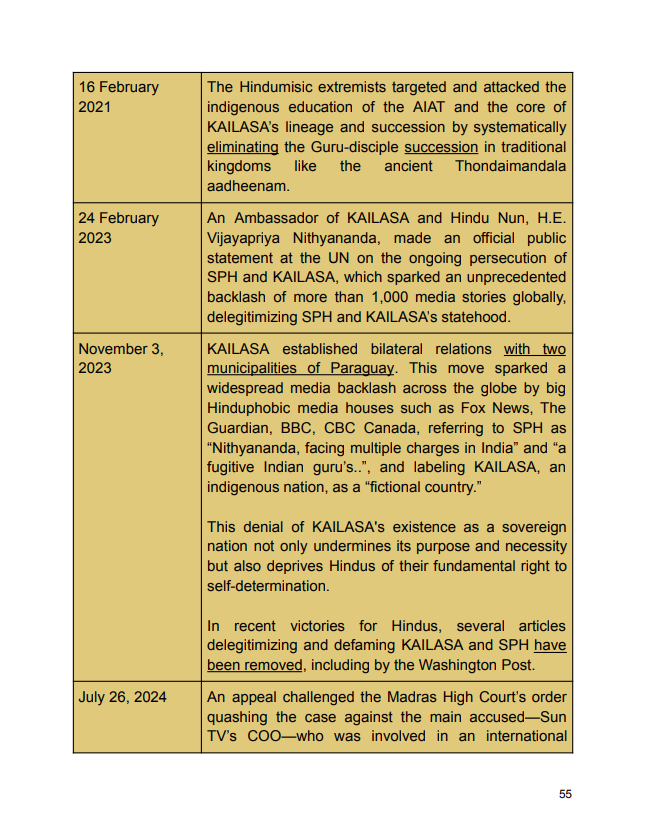
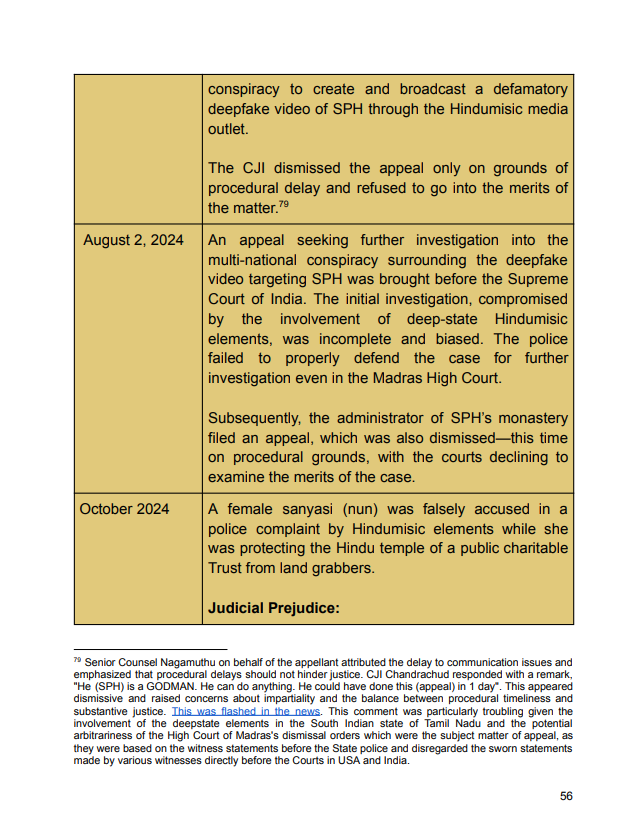
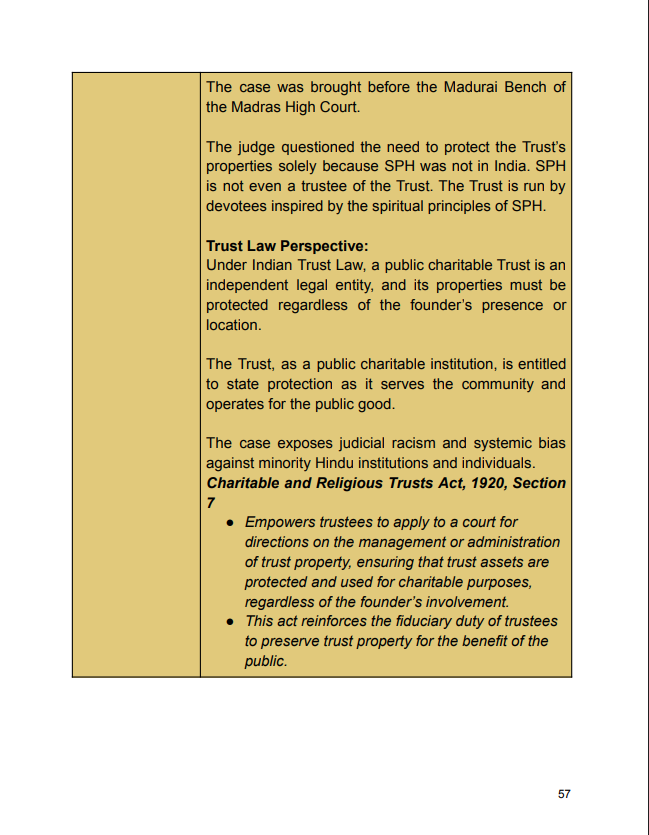
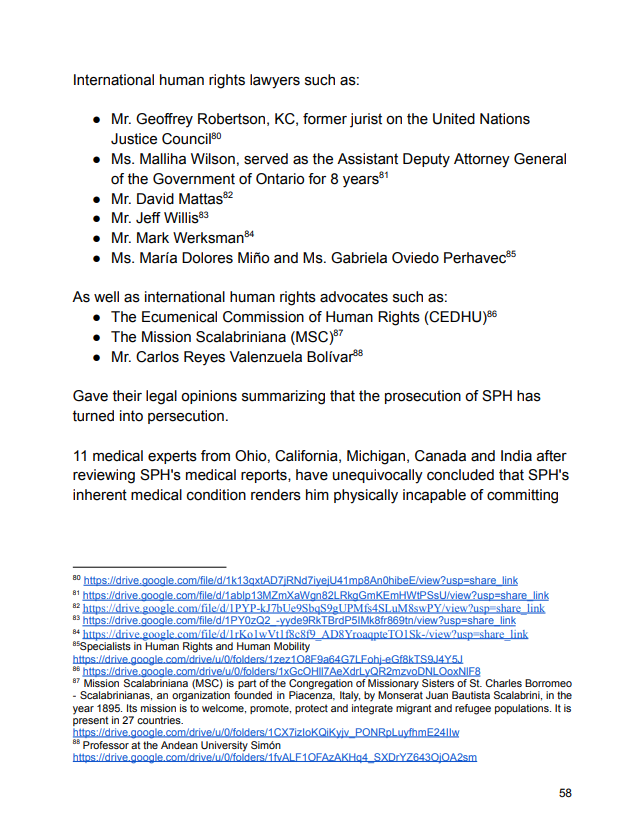
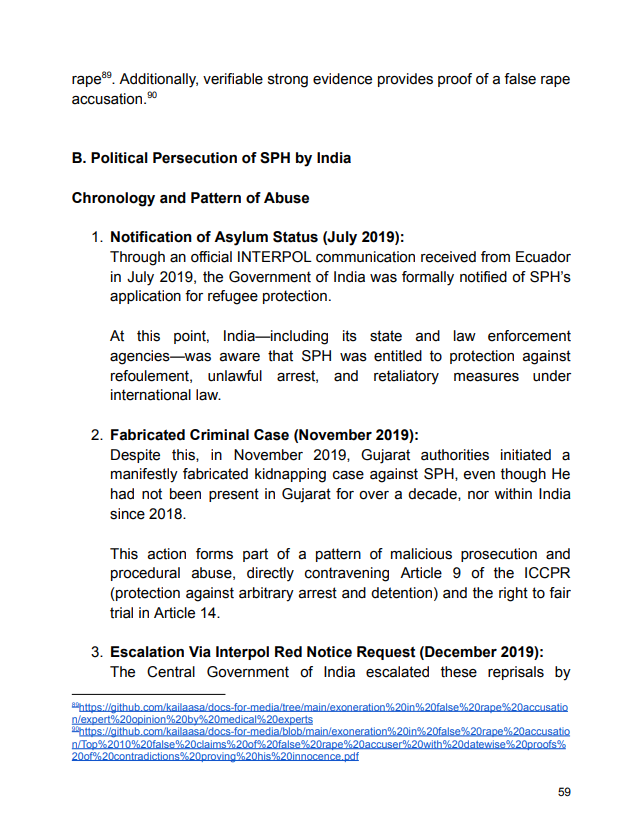
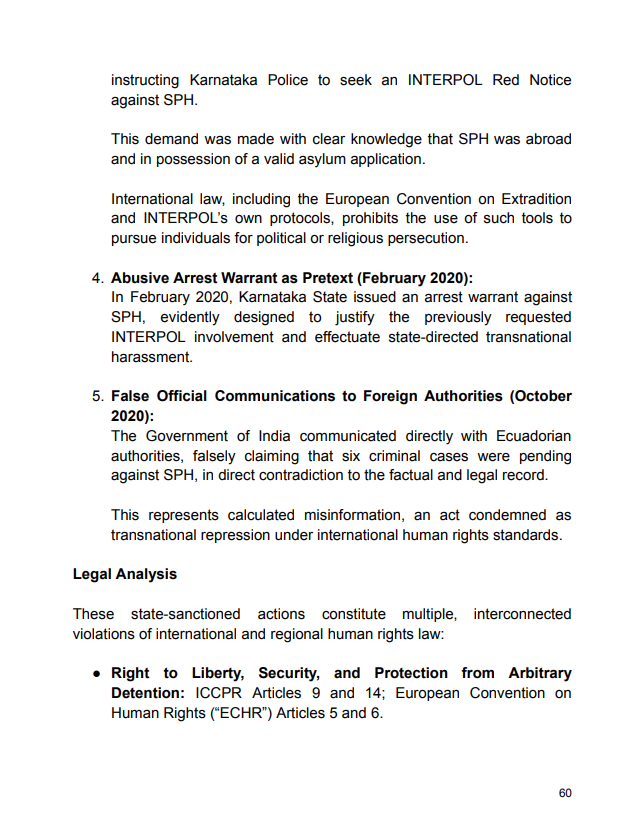
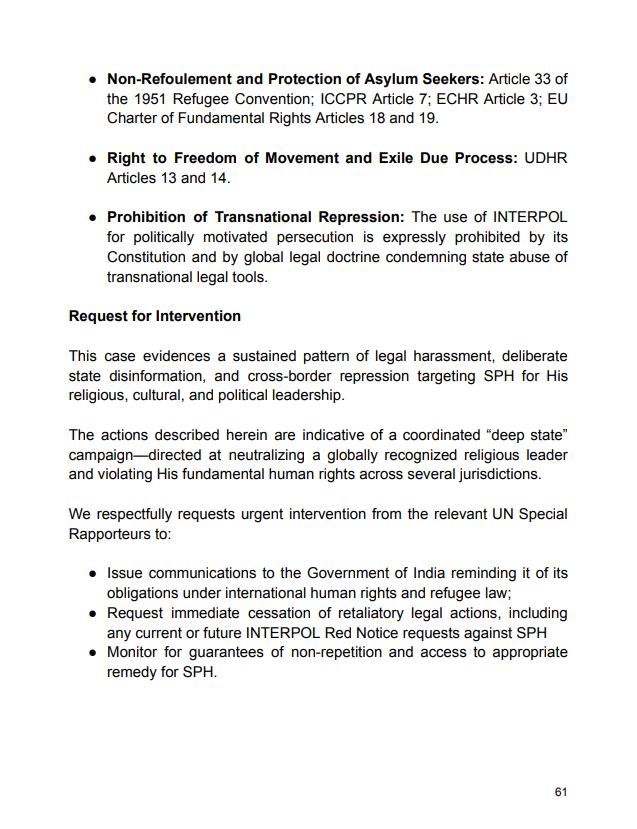
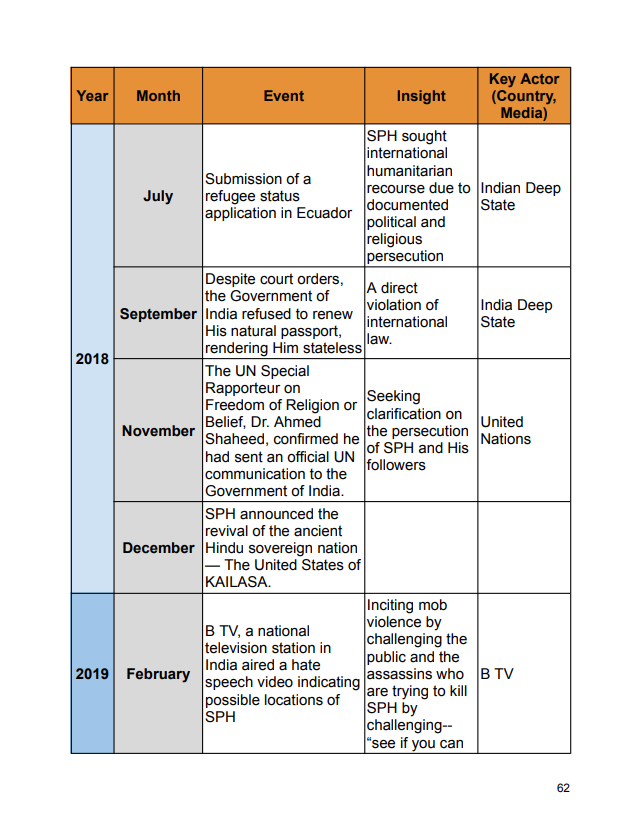
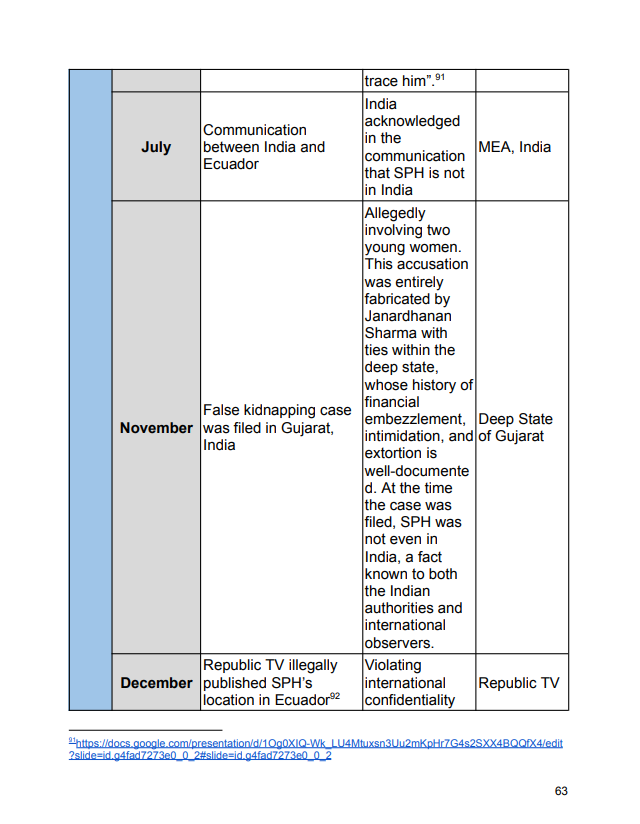
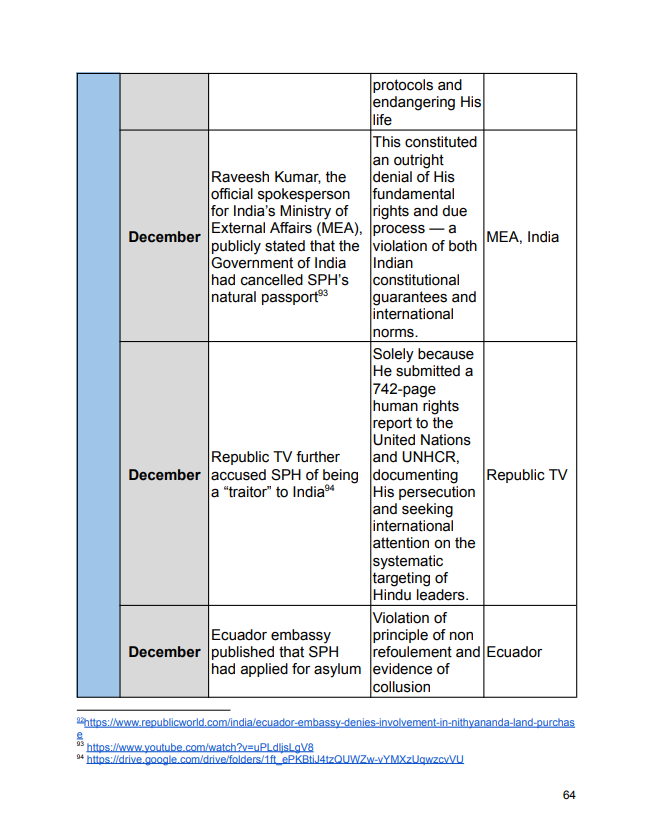
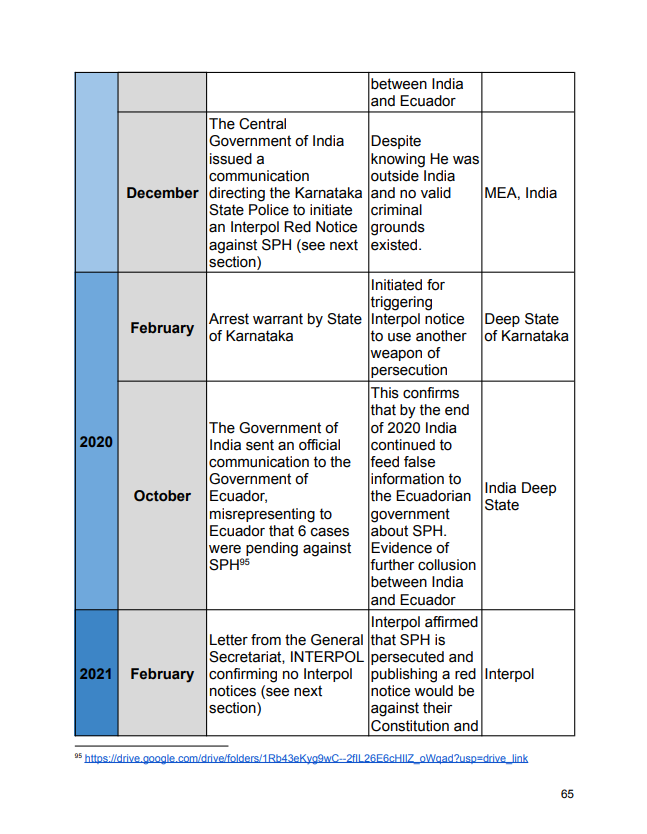
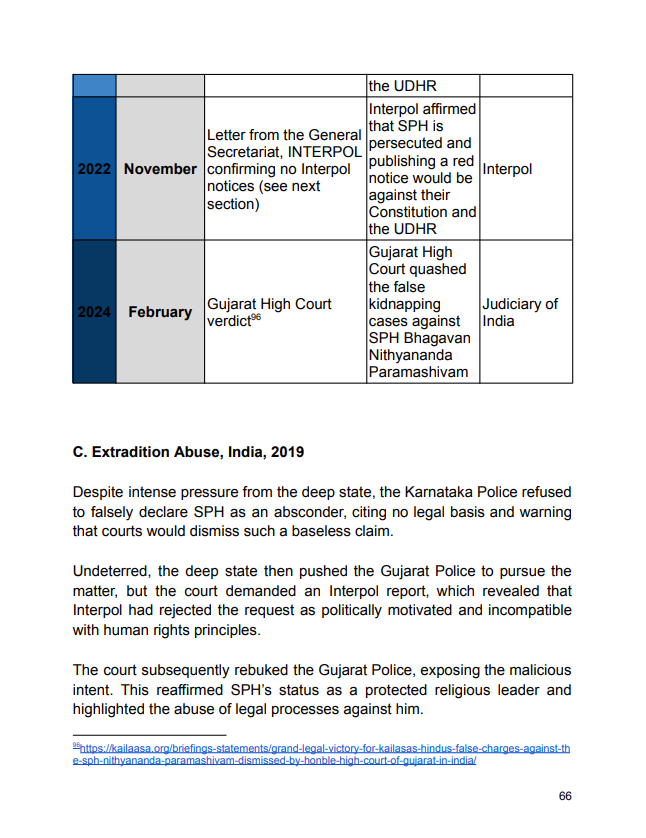
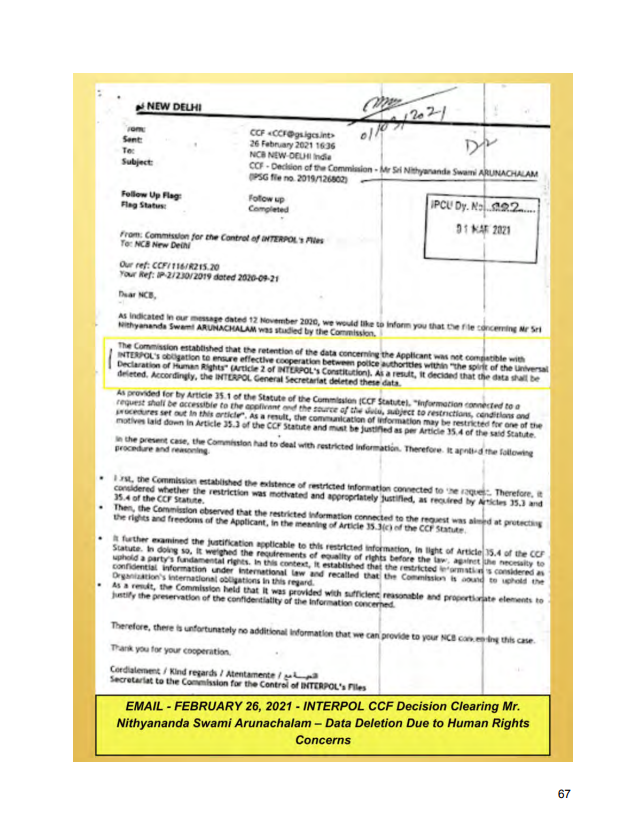
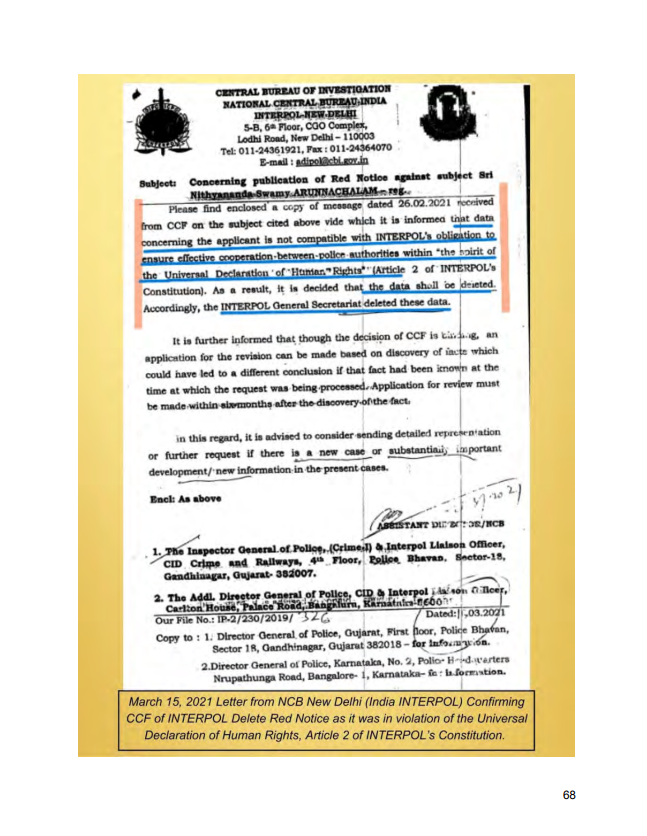
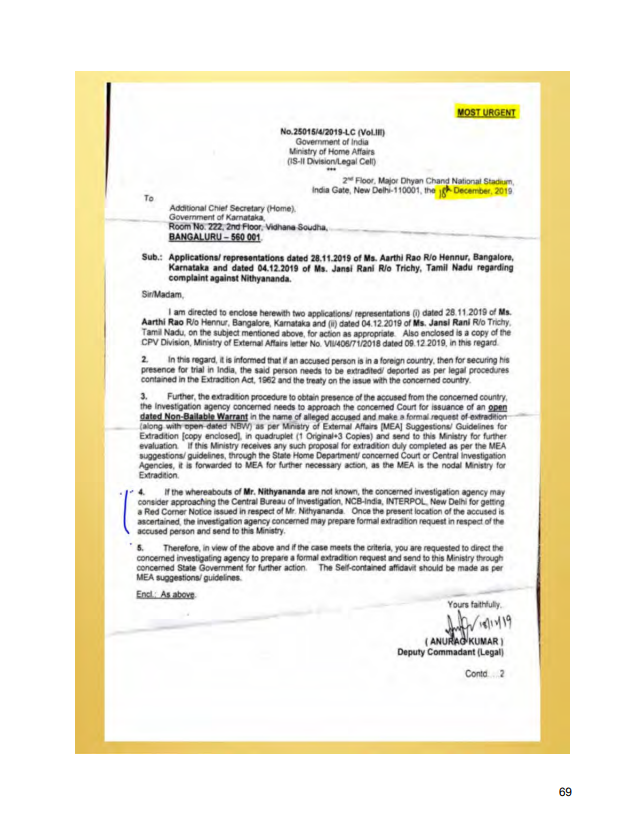
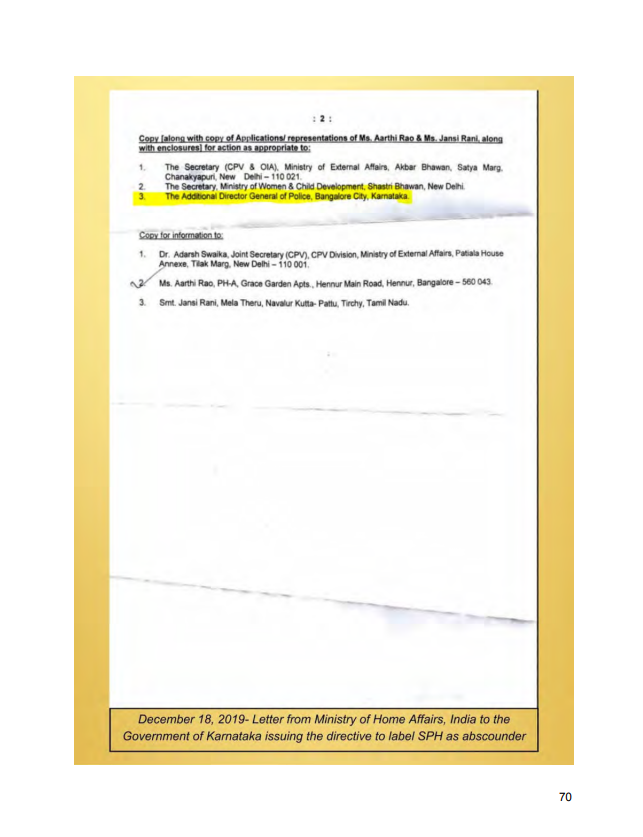
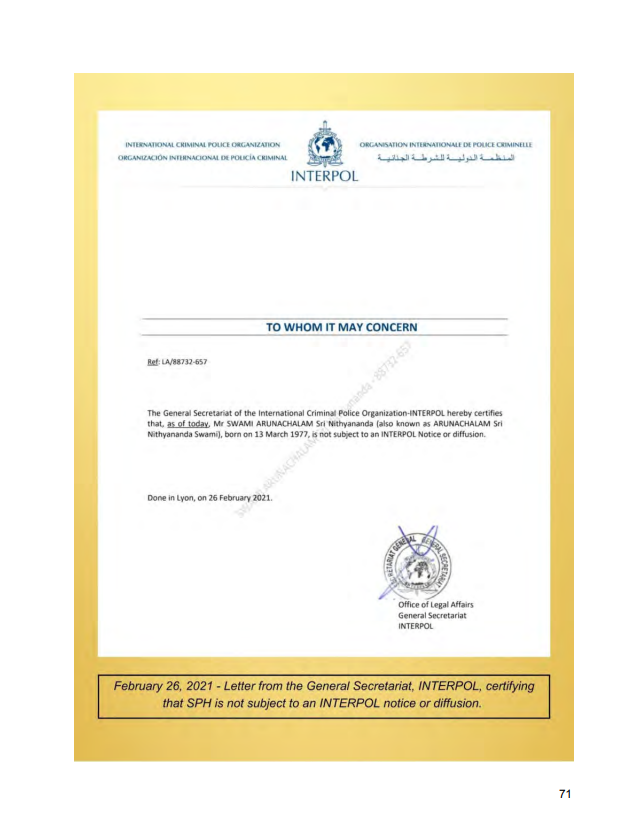
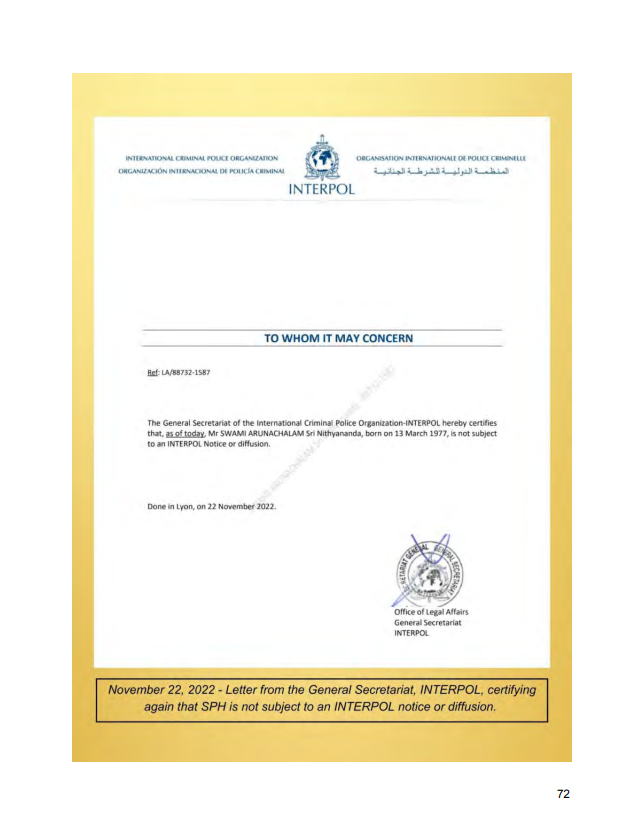
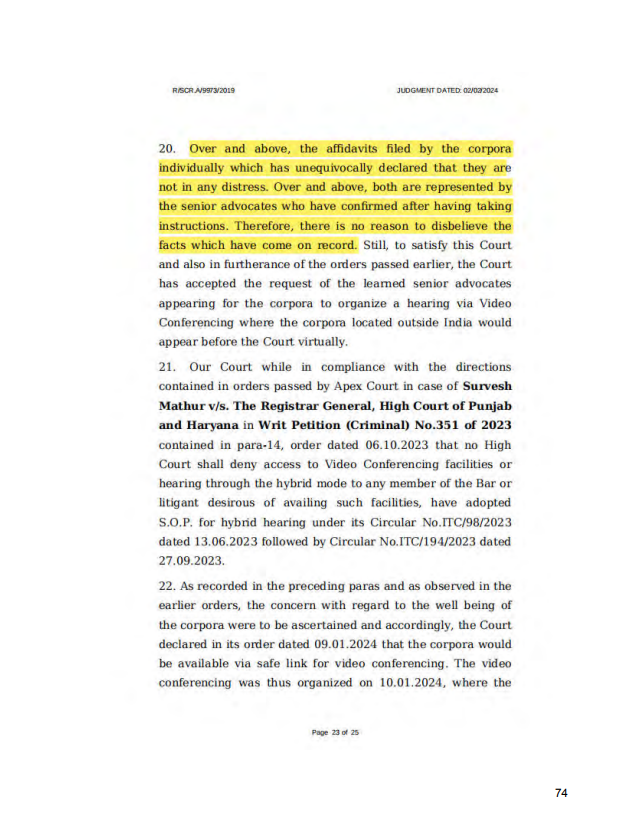
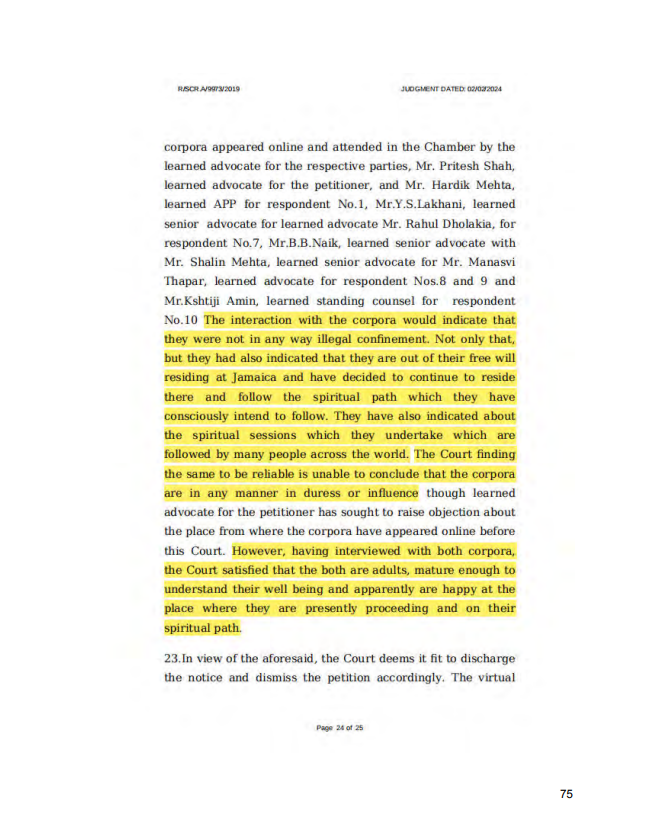
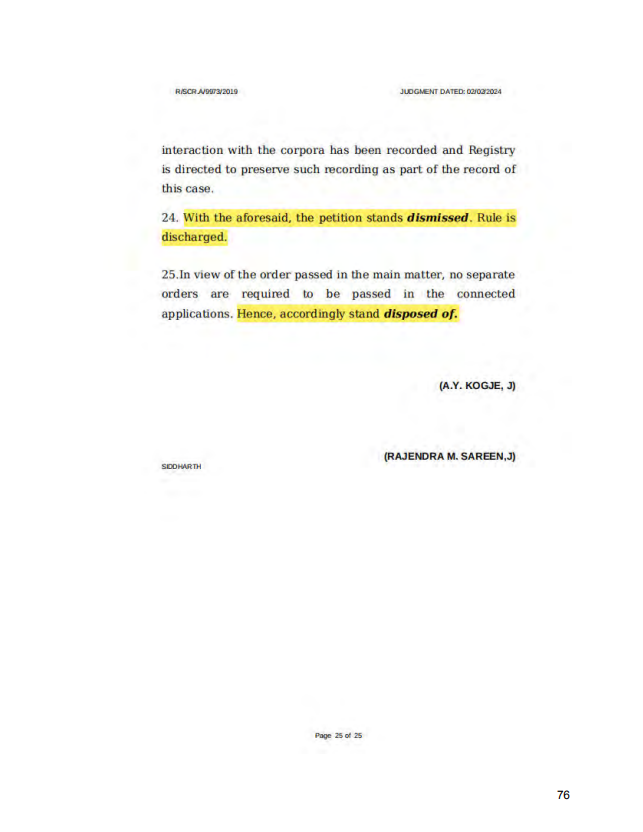
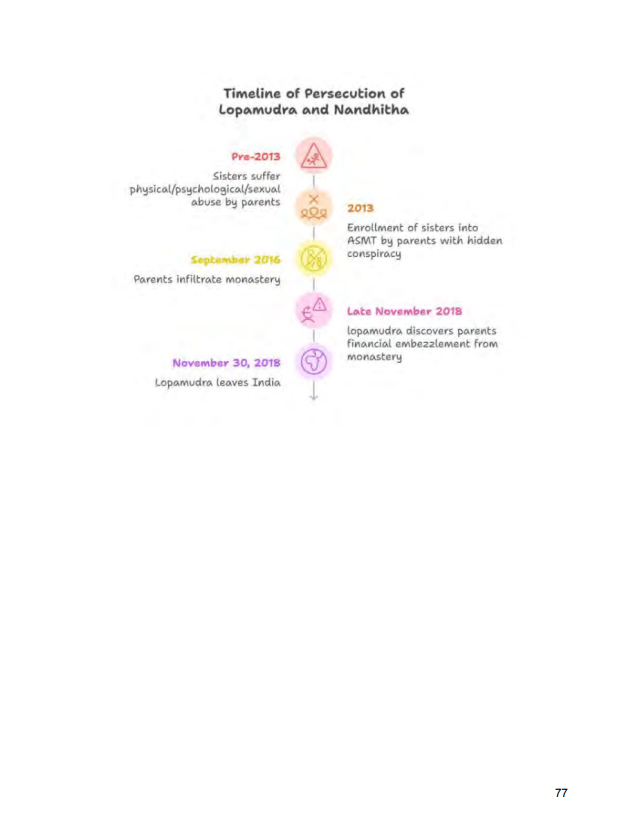
The submission documents the ongoing persecution faced by SPH Bhagavan Nithyananda Paramashivam and KAILASA and argues that such persecution has hindered the preservation and global sharing of Indigenous Hindu environmental knowledge, climate solutions, and humanitarian initiatives.
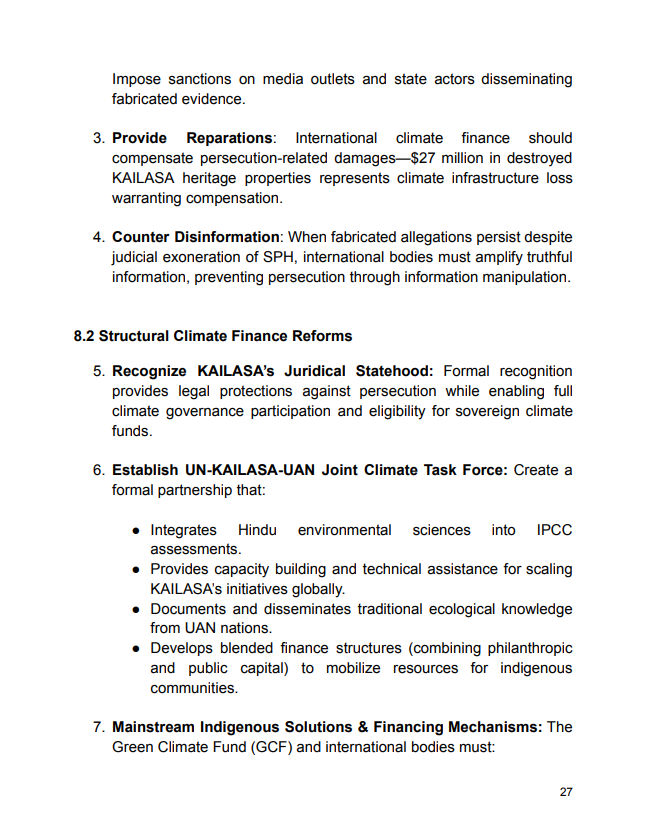
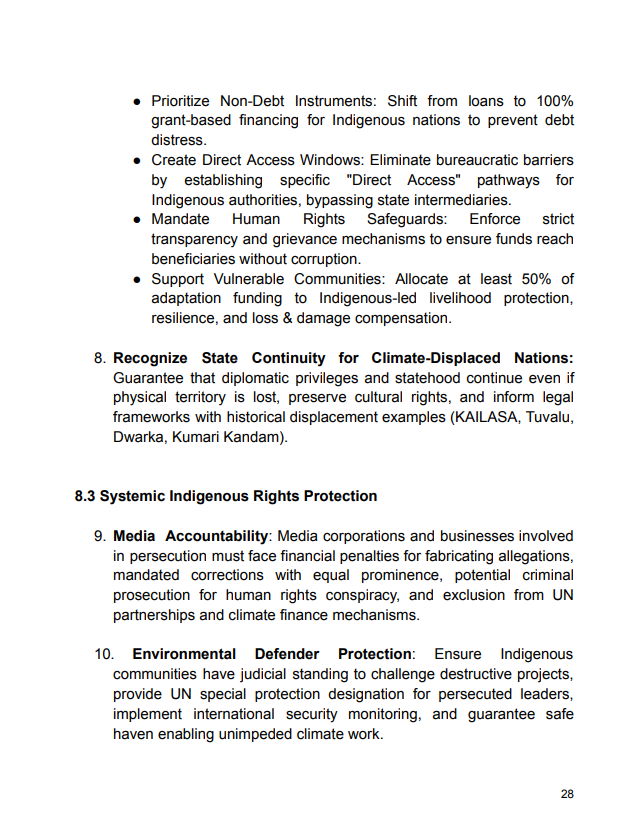
Recommendations to the International Community
The report calls for:
• Greater protection of Indigenous knowledge systems
• Direct climate financing for Indigenous communities
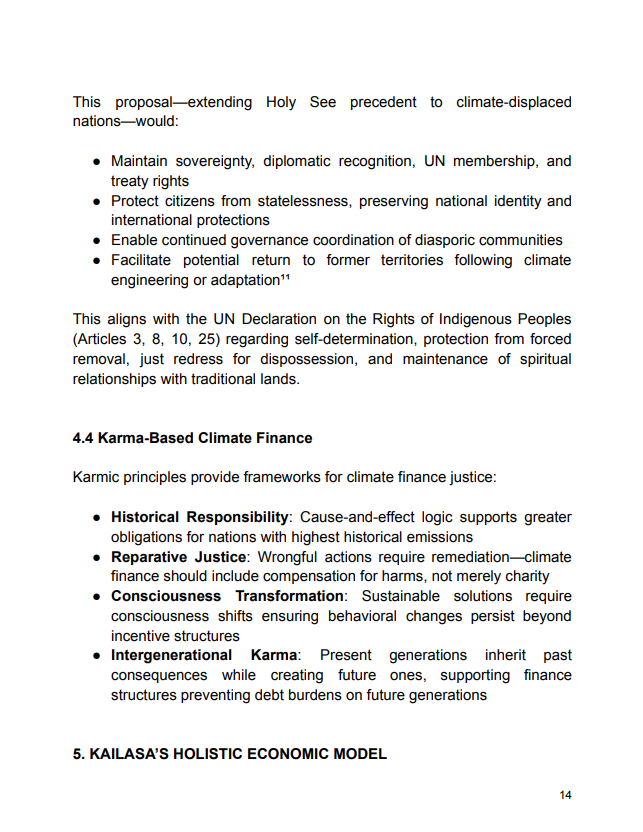
• Recognition of climate-displaced nations and peoples
• Inclusion of traditional ecological wisdom in climate governance
• Stronger protections for Indigenous peoples and environmental defenders
• Enhanced international cooperation with Indigenous-led institutions
A Vision for the Future
The report concludes that humanity stands at a crossroads between continued environmental degradation and a conscious civilizational shift toward sustainable coexistence with nature. KAILASA and the UAN advocate for an approach that integrates Indigenous wisdom, human rights, environmental stewardship, and conscious living to address the global climate crisis.